
Shortage of Manpower in Field Rescue and Body Management After Bhote Koshi Flood
News Summary
- Prabha Bogati, deputy mayor of Vidur Municipality, reported a shortage of manpower in rescue operations and body management following the Bhote Koshi flood.
- According to her, bodies have been swept away by the river, with several bodies reported in the Belkotgadhi area.
- While helicopters and food supplies have arrived for rescue, road blockages are hindering access to flood-affected riverside areas.
Prabha Bogati, deputy mayor of Vidur Municipality in Nuwakot, affected by the Bhote Koshi flood on Wednesday, has highlighted a shortage of manpower in field rescue efforts and body management. She reported that bodies have been swept away by the river.
An interview with Deputy Mayor Bogati:
Prabha Ji, what is the current situation in Vidur and surrounding areas?
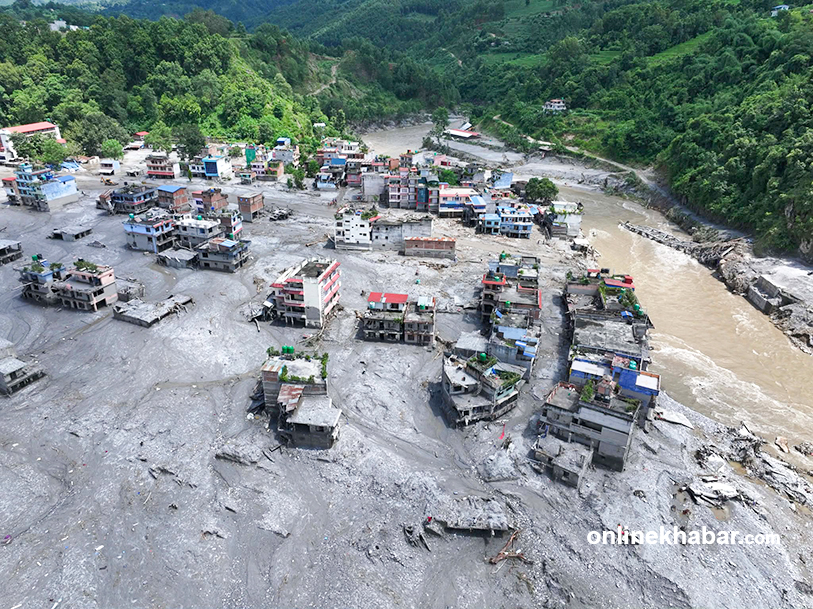
The flood caused unimaginable damage recently. Since then, we have been continuously striving for rescue operations. Efforts are underway to move the injured to safe locations and provide assistance. Rescue operations have been ongoing since early morning. However, there is an insufficient number of personnel deployed in the field.
What kinds of support are needed now for rescue efforts?
Helicopters and food supplies have arrived, but difficulties persist in delivering these materials to the affected areas.
Can the federal, provincial governments, or other unaffected municipalities assist?
Helicopters are continuously flying, and we are collaboratively working. However, the required manpower on the ground has yet to arrive. Rescue operations are ongoing under very complex conditions here.
If security forces from across the country can be concentrated here, such as deploying 20 Nepali Army personnel, 20 Armed Police Force members, and 20 Nepal Police officers at Trishuli, working alongside locals, it would greatly ease clearing soil, searching for individuals, and rescuing the injured.
Similarly, deploying trained security personnel in Betrawati for search and rescue would increase efficiency. Yet, blockages on the roads add challenges in delivering relief materials. We are drafting plans to safely relocate children and guardians, but resources remain insufficient.
What is the condition of the road from Kathmandu or Muglin to Vidur?
The route from Kathmandu through Chhahare to Vidur is relatively easy to navigate. There are no major difficulties there. However, reaching the flood-affected riverside areas remains problematic.
You mentioned deploying volunteers in the field. What is the status of that?
Our focus remains on field operations, and helicopters are actively involved in rescues. However, there is a shortage of manpower on the ground. Bodies have been swept away by the river, with many found in Belkotgadhi. The municipal chief has been in constant contact. Failure to manage these bodies could pose significant health risks. We are working on policies but have yet to finalize them.
How are the medical teams operating?
Trishuli Hospital can be accessed from two sides. Primary medical treatment is being provided at the Nepali Army training center for those rescued by helicopter. Treatment is also ongoing at local and private hospitals, with seriously ill patients transferred to Kathmandu.
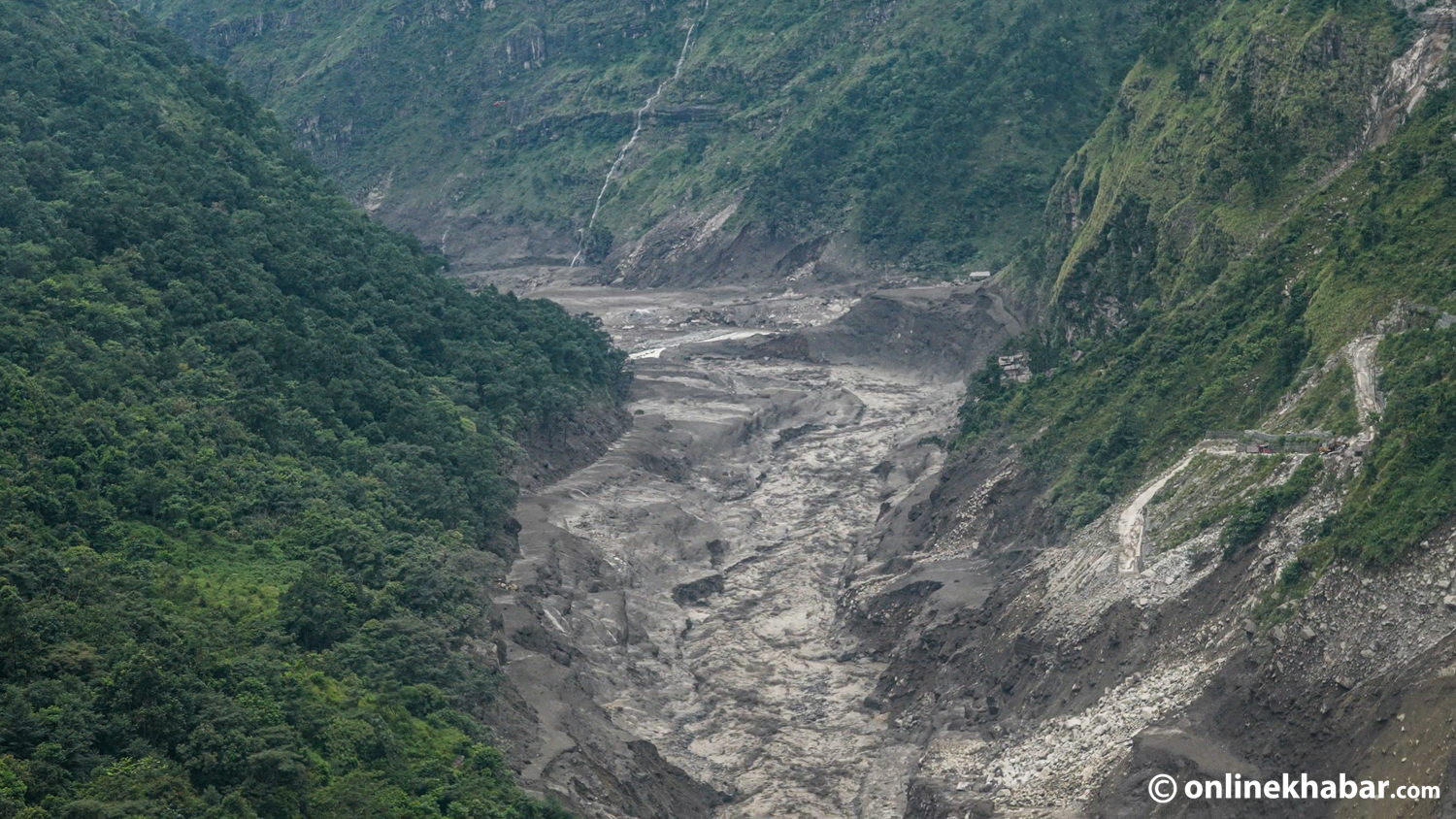
We urgently need secure security personnel, additional manpower, and volunteers who can immediately deploy in the field. Some locations are unreachable by helicopter or road access. In such places, clearing soil, building access paths, and searching for people stranded near riverbanks or houses remain difficult.
Listen to the full conversation below: