
What Did China and the US Reveal After Their Recent Summit?
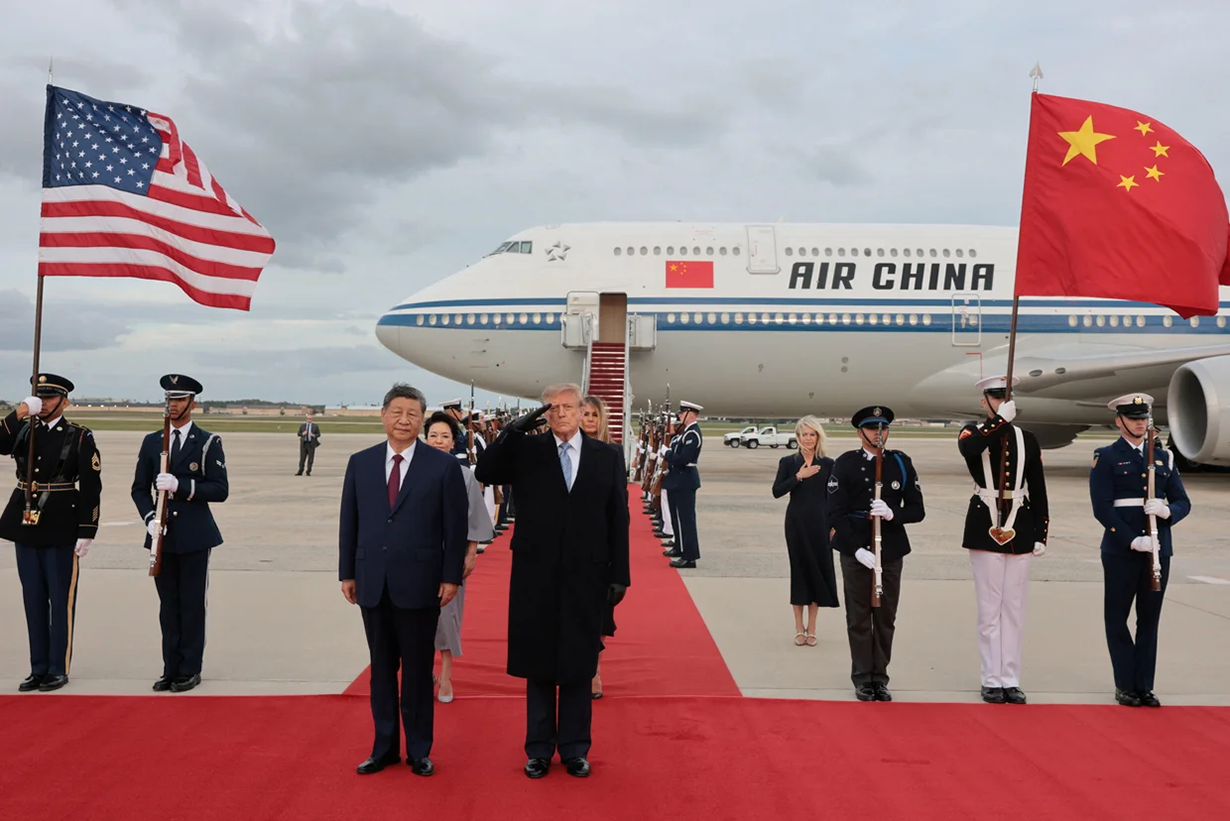
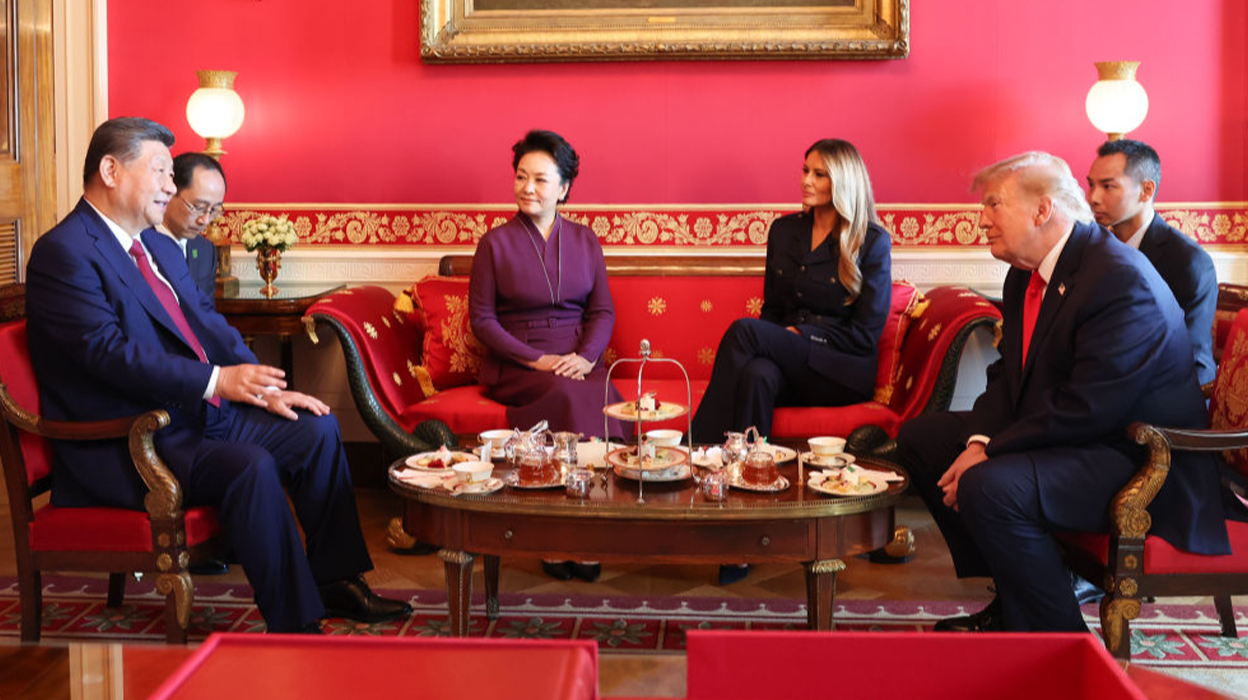
On Monday, China disclosed additional details regarding the agreements reached during last week’s meeting between Chinese President Xi Jinping and U.S. President Donald Trump.
This disclosure indicates some concrete outcomes from the discussion. However, neither country issued a joint statement, and no major breakthrough was achieved during the talks.
Instead, both governments released their own separate summaries.
Despite a visit to the White House and commitments to warm relations, Washington and Beijing remain cautious toward one another.
Four primary areas emerged publicly from the talks, though several questions remain unresolved.
Agreement to Launch New Artificial Intelligence (AI) Dialogues
According to Beijing, China and the U.S. have agreed to initiate a new phase of talks on artificial intelligence (AI), with the next meeting scheduled for the end of November.
Both nations are fiercely competing in AI development, with applications expanding from commerce to military planning.
The new dialogue reflects a shared recognition of the need to establish security parameters around this technology.
Both sides also agreed to set up contact mechanisms for regular information exchanges on AI-related incidents to prevent unintended conflicts or misunderstandings.
There was heightened public interest in potential AI agreements during the meeting, especially as the American company Anthropic has called for slowing AI development.
Meanwhile, accusations have surfaced against OpenAI for unauthorized access to government websites in Australia and other nations, as well as interference with certain U.S. government sites.
Extension of Trade Agreement, But Many Questions Remain
China’s state media confirmed on Monday for the first time that the interim trade pact between the two countries has been extended until January 10.
This short-term extension safeguards the possibility of another meeting between the leaders at two major international events scheduled for later this year.
Trump will attend the Asia-Pacific Economic Cooperation (APEC) summit in Shenzhen, China in November, while Xi Jinping plans to visit Miami for the G-20 summit in December.
It is unusual for leaders of the world’s two largest economies to meet multiple times within such a brief period.
China had hoped to extend the trade agreement over a longer term, so this two-month extension is viewed as a limited success rather than a major achievement.
China has benefited from tariff reductions on about $30 billion worth of goods it exports to the U.S., and in return, it is expected to lower tariffs on American products.
Chinese exports such as toys, small household appliances, and Christmas decorations to the U.S. will face reduced tariffs.
The Trump administration also revealed that China plans to purchase at least 10 million metric tons of coal annually in 2027 and 2028.
However, issues beyond the scope of the agreement were not addressed.
Problems related to increasing exports of rare minerals from China to the U.S. remain unresolved, and there has been no easing of restrictions on American semiconductors.
U.S. Statement Omits Taiwan; China Emphasizes It
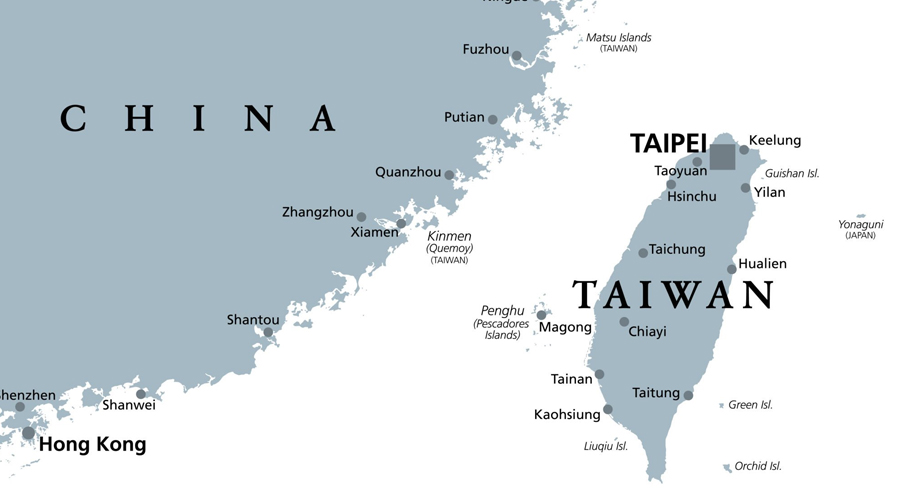
The White House summary of the meeting made no mention of Taiwan, while President Xi Jinping considers it a highly critical issue.
According to the details released by China, Xi told Trump that the U.S. should officially oppose Taiwan’s independence and exercise extreme caution on this matter.
During a previous meeting in May, the two leaders reportedly discussed whether the U.S. would defend Taiwan if China attacked it.
Trump reportedly responded, ‘Only one person knows the answer to that, and that’s me.’
At that time, he also questioned whether it is appropriate for American troops to travel 9,500 miles away as part of that defense.
However, he provided fewer details during the recent summit.
Trump stated, ‘We talked about it extensively. Everything is okay now, and things are moving forward in their own way. He knows my views well.’
This silence could be significant.
Previously, Trump described a $1.4 billion arms package to Taiwan as a ‘very good deal’ in the context of talks with China.
However, the arms package has been on hold for several months.
U.S. Ambassador David Perdue once told Fox News that Trump proposed to Xi the sale of weapons during the summit, but the State Department rejected the idea.
China regards Taiwan as part of its territory, while many countries do not recognize Taiwan as an independent nation.
Nonetheless, the U.S. and other countries oppose using force to control Taiwan and have reaffirmed commitments to provide it military support.
China Opens Doors to Foreign Investment?
China announced it will allow banks, investment firms, and insurance companies supported by the U.S. to apply for permission to operate and open offices in China.
However, these applications will only be valid under Chinese laws and regulations.
This decision is significant because, while China is opening its commercial doors, it retains the power to choose which entities it permits entry.
Foreign financial companies have expressed concerns about regulatory hurdles, complicated approval processes, and risks such as potential restrictions on leaving the country.
Beijing confirmed ongoing discussions with Washington about increasing the number of flights between the two countries but did not release further details.
China permits citizens from more than 75 countries to enter without a visa, but this exemption is not extended to U.S. citizens.
The U.S. State Department continues to advise Level 2 travel caution for China visits.
This advisory urges travelers to exercise extra caution during visits to China.
The U.S. cites arbitrary law enforcement, potential travel restrictions, and risks of detention as reasons for caution.
While both countries desire expanded trade and travel, significant obstacles remain.
What Did the Summit Reveal?
Following the summit, dialogue between the two nations appears to have increased, but there have been no decisive changes.
Contentious issues ranging from advanced technologies to Taiwan remain unresolved.
These outcomes are not new to either leader; both express a commitment to cultivate new communication channels, provide economic concessions, and maintain steady relations.
Both leaders seek stability in relations, yet persuading any global superpower to agree to major concessions remains extremely challenging. – From BBC