
Naima Mobility Expo Showcases 53 Brands and 40 New Vehicle Models
News Summary
Prepared after editorial review.
- The second edition of the ‘Naima Mobility Expo 2026’ has commenced today at Bhrikutimandap, Kathmandu.
- The expo features 53 brands, 51 stalls, and showcases over 40 new vehicle models.
- The growing use of electric vehicles signals increased competition in Nepal’s automobile market.
26th Saun, Kathmandu – The second edition of the ‘Naima Mobility Expo 2026’ began today at Bhrikutimandap, Kathmandu. Organized by the Nepal Automobile Importers and Manufacturers Association (NAIMA), the expo features 53 brands, 51 stalls, and the unveiling of 40 new vehicle models, according to the organizers.
The expo showcases two-wheelers, four-wheelers, commercial vehicles, electric and hybrid vehicles, mobility technology, and service exhibitions. With more participants than last year’s inaugural event, this expo reflects ongoing transformations in Nepal’s automobile market.
The rising presence of electric four-wheelers has made this expo an ‘EV-focused’ event. Among the 40-plus new models, many are new electric cars, SUVs, and hatchbacks. This trend suggests intensifying competition between traditional petrol-diesel vehicles and electric vehicles in the Nepalese market in the coming days.
Vehicles Ranging from NPR 2 Million to Over NPR 10 Million
A key highlight of this expo is the introduction of new electric vehicles spanning diverse price ranges and categories in a single marketplace. New models range from affordable compact EVs to premium SUVs. Passenger car models are also on display.
In the affordable EV segment, models like Proton E.Mass 5, Arcfox T-1, and Wuling Mini EV four-door have attracted considerable attention. Some of these models are proposed to be priced below NPR 4 million.
The Proton E.Mass 5’s Prime variant is priced at NPR 3.299 million, with an exclusive discount for the first 100 customers bringing the price down to NPR 2.999 million, according to the company. The premium variant is priced at NPR 3.699 million, available for NPR 3.499 million to the first 100 customers.
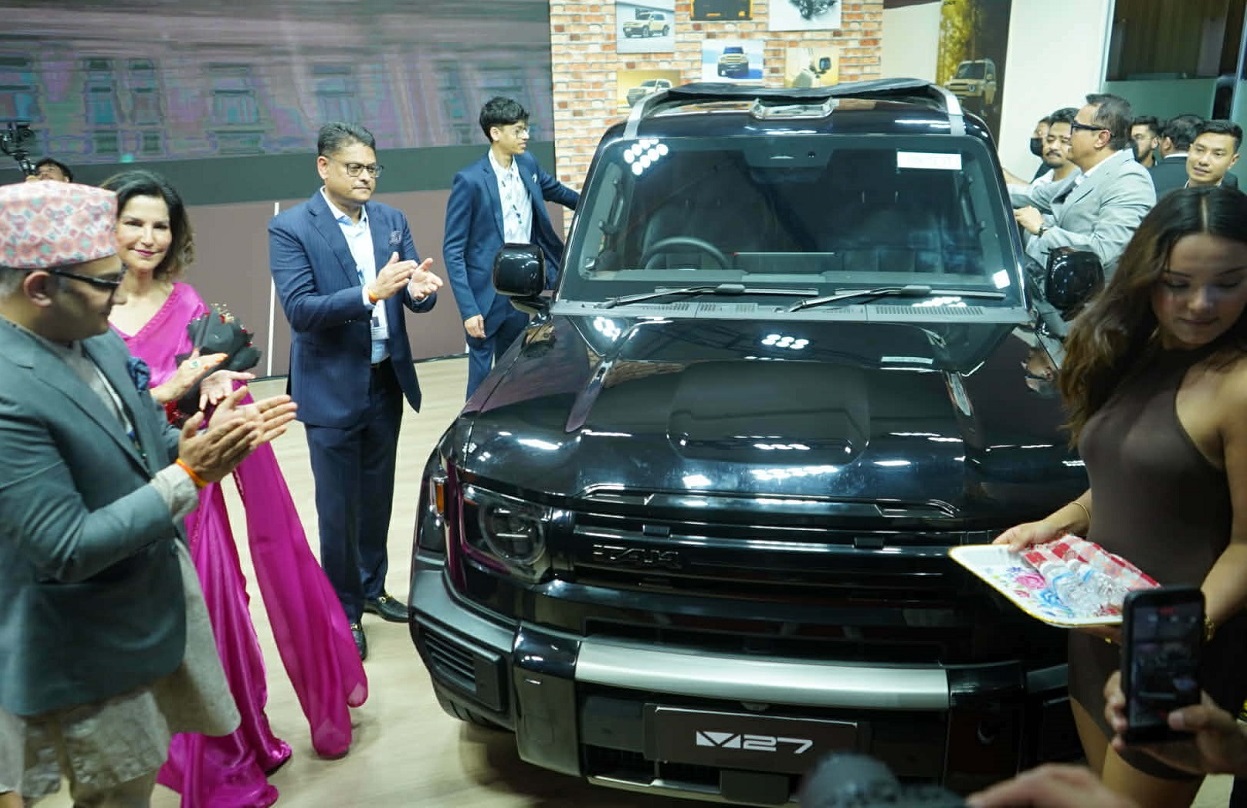
Moreover, the BJ-30E SUV displayed at the expo is priced at NPR 11.996 million. The hybrid off-road BJ-30E model, introduced by Lakshmi Motor Hub in Nepal, features the Magic Core hybrid engine.
The Nepalese market already has established presence of small and compact EVs such as Tata Tiago EV, MG Comet, and BYD Dolphin. Brands like Proton, Arcfox, Wuling, and Chery have now also joined, expanding competition in the EV market.
This competition not only increases options for consumers but also compels companies to compete on price, battery capacity, range, charging speed, and features.
Highest Competition Among SUV Models
SUVs have recently gained high popularity in Nepal. Consequently, companies prioritizing new model launches are focusing on SUVs. New models showcased at the expo include Lipmotor B03, BAIC BJ-30E, Changan Nebo Q05, Chery Q, and Omoda O4 among others.
Additionally, BAIC’s BJ-30E hybrid SUV was unveiled at the NAIMA expo. It offers 215 mm ground clearance, a 10.25-inch digital instrument cluster, and a 14.6-inch infotainment display. This underscores the sustained presence of the hybrid SUV market alongside EVs in Nepal.
New Competitors Enter the Premium Market
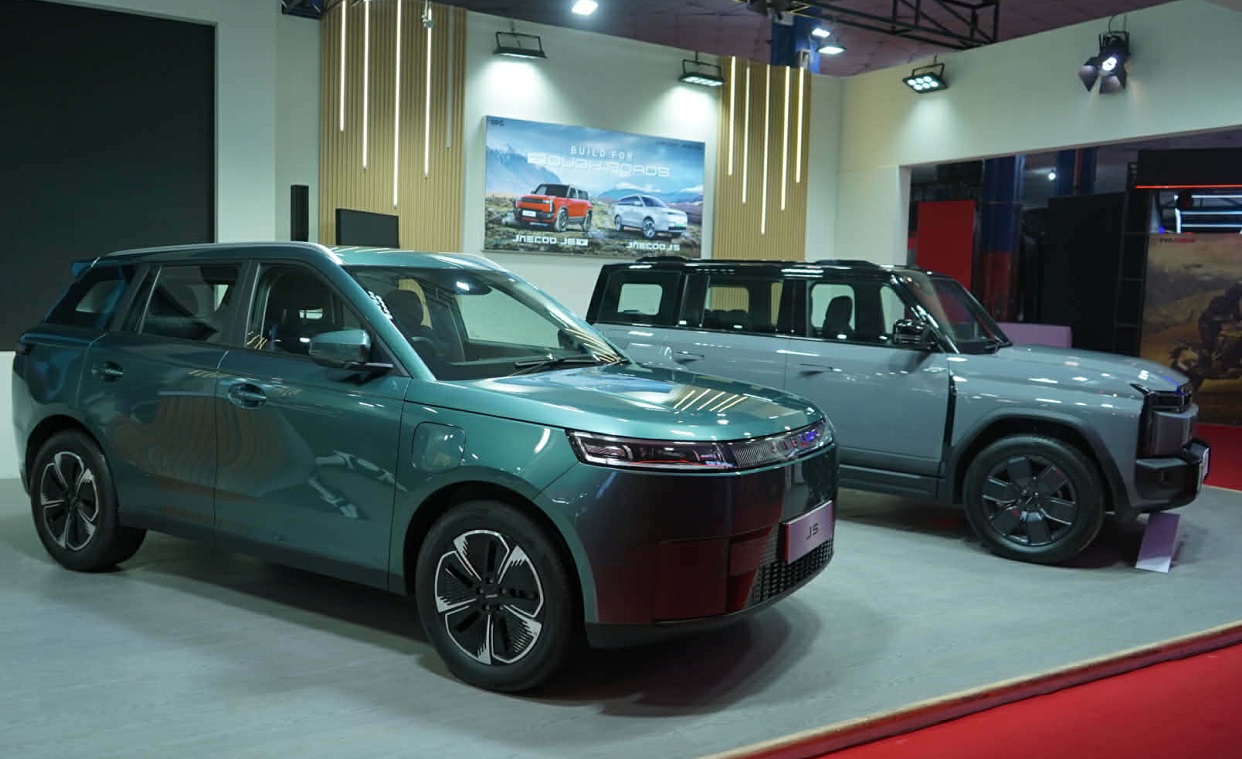
EV competition is expanding beyond budget segments to include premium and luxury segments with new brands and models.
Models ranging from Hyundai’s Ioniq 9 premium electric SUV to Wuling’s seven-seater Axion EV are increasing options in higher segments. The Wuling Axion EV features a 69.2 kWh battery and claims a range of up to 530 kilometers. This indicates that Nepal’s EV market is moving beyond just “affordable cars,” expanding from small city cars to large family SUVs and premium vehicles.
The NAIMA expo suggests that the petrol and diesel vehicle market in Nepal will not end immediately. The expo features vehicles powered by internal combustion engines (ICE), petrol-diesel, hybrid, and electric technologies.
Toyota plans to unveil two new models at the expo and has announced discounts ranging from NPR 300,000 to NPR 2.1 million on vehicle purchases, which indicates continued demand for traditional and hybrid vehicles as well.
However, the center of competition is gradually shifting. Whereas a few years ago, discussions about the new car market predominantly focused on petrol or diesel models, today, consumer priorities focus on which EV offers better features, larger batteries, longer range, and faster charging within the same price range.
Expansion of Electric Two-Wheelers
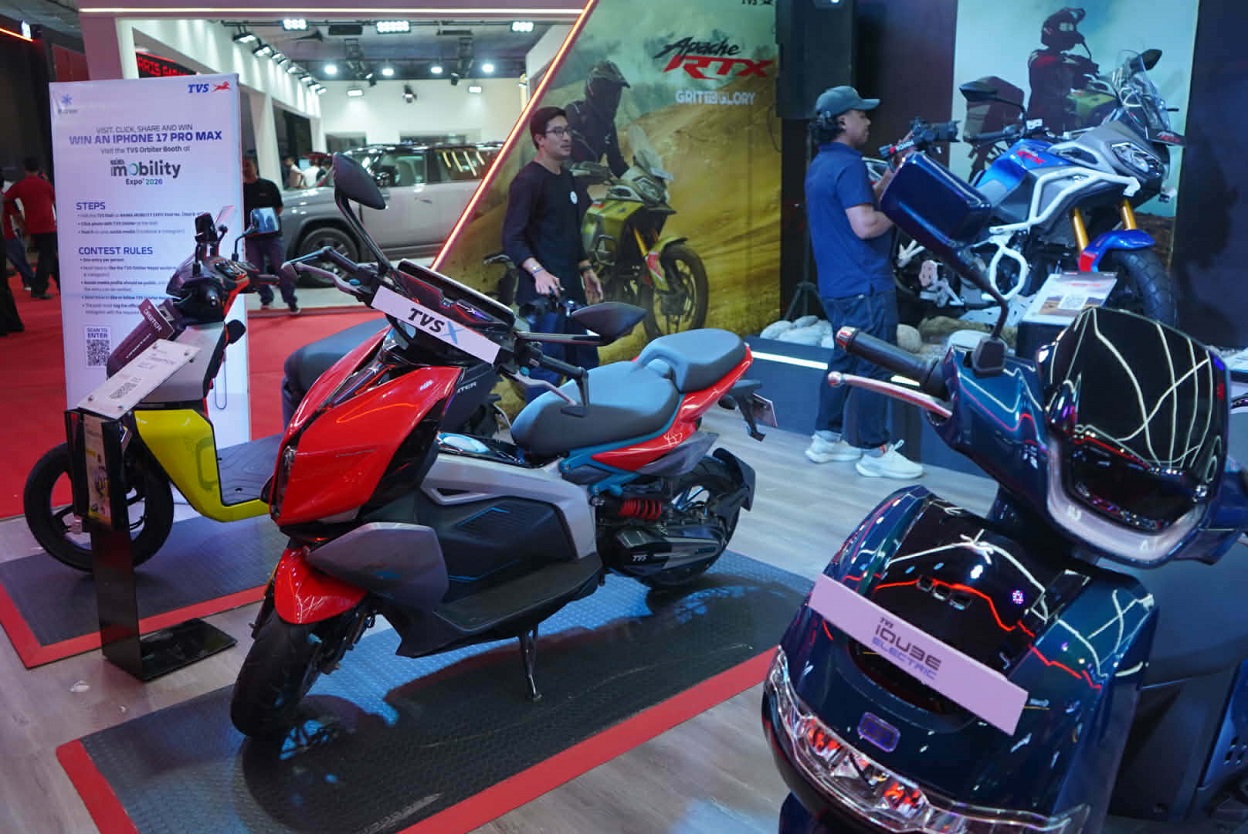
Electric vehicle growth is not limited to four-wheelers; the two-wheeler market is also expanding its electric segment. The NAIMA expo includes brands such as Bajaj, Honda, TVS, KTM, Royal Enfield, Ather, Suzuki, Yadea, NIU, Ultraviolet, CF Moto, and Triumph among others.
This includes both traditional petrol motorcycles and scooters as well as electric scooters and motorcycles. Brands like Bajaj, Ather, Yadea, NIU, and Ultraviolet are expanding their presence in the two-wheeler EV market, fostering intense competition between petrol and electric options in this sector as well.
Increase in Brand Count and Variety for Consumers
Brands participating in NAIMA expo include Tata, Arcfox, BAIC, BYD, Citroën, Denza, Forthing, Great Wall Motors, MG, Nissan, Hyundai, Mahindra, IKCO, Omoda/Geely, Proton, Kia, Lipmotor, Toyota, Wuling, Jikoo, and others.
In two-wheelers, brands such as Ather, Bajaj, CF Moto, Jihoo, Gyro, Honda, Keren, KTM, Morbidelli, NIU, Peugeot, Royal Enfield, Suzuki, Triumph, TVS, Ultraviolet, and Yadea are present.
Thus, the Nepal automobile market is not only increasing in the number of brands but also in the number of companies competing within the same segment. However, price is not the sole deciding factor for consumers.
With a growing number of new vehicles, consumers’ options have increased. Yet, the sustainability or popularity of a brand will not be determined solely by sales numbers.
Especially regarding EVs, factors such as battery life, warranty, charging infrastructure, after-sales service, availability of spare parts, resale value, and battery management will be critical.
Battery management agreements are now mandatory before importing EV batteries, and the proper disposal and recycling of spent batteries remains a topic of active industry discussion.