
81 US Military Aircraft Damaged in Iran War, Losses Estimated Up to $3.3 Billion
At least 81 American military aircraft, including fighter jets and drones, have been destroyed or damaged in the United States’ military campaign against Iran, known as ‘Operation Epic Fury,’ launched earlier this year.
This figure was revealed in a report released Monday by the Congressional Budget Office (CBO), a nonpartisan governmental agency that provides budget-related analysis to the US Congress.
According to the report, by August 1, the estimated damage to US aircraft in the conflict between the United States, Israel, and Iran is about $3.3 billion.
The report highlights the growing financial burden of the war, which began on February 28, emphasizing that despite reaching its eighth month, a permanent ceasefire has not been achieved.
Harlan Ullman, a former military official and chairman of the Kilowen Group, a government advisory firm, noted that the asymmetry observed in the war demonstrates how smaller military powers can inflict damage on some of the world’s most powerful armed forces.
Speaking with Al Jazeera, he stated that Iran has achieved some success against American military equipment and bases in the Middle East.
“For Iran, many American military structures have been available as targets. One can imagine how a small drone can cause significant damage to major military assets. Examples of such attacks have been seen in Gulf countries,” Ullman explained.
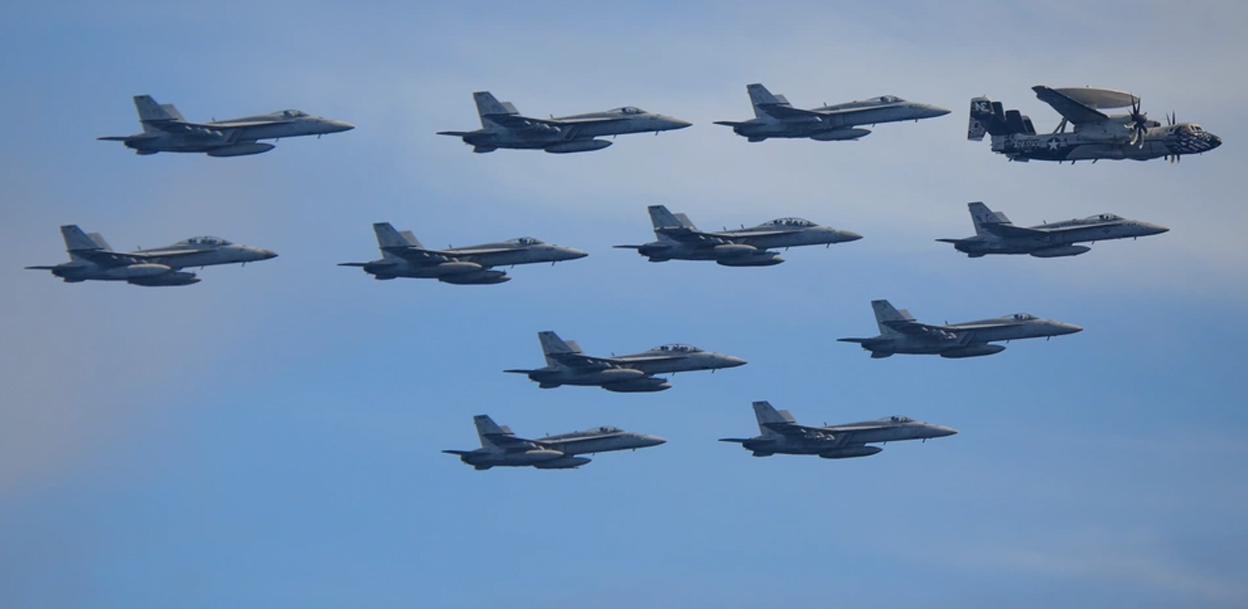
The Monday report detailed that among the 81 damaged or destroyed aircraft, there were 12 F-15E Strike Eagle fighter jets, one F-35A Lightning II, seven KC-135 Stratotanker refueling aircraft, and 45 MQ-9 Reaper drones.
The Changing Nature of Warfare
Experts like Ullman link some vulnerabilities in American military assets to the evolving nature of modern warfare, marked by increasing use of low-cost drones.
The war in Ukraine against Russia serves as an example where a comparatively smaller military power uses drone warfare effectively to challenge a larger force.
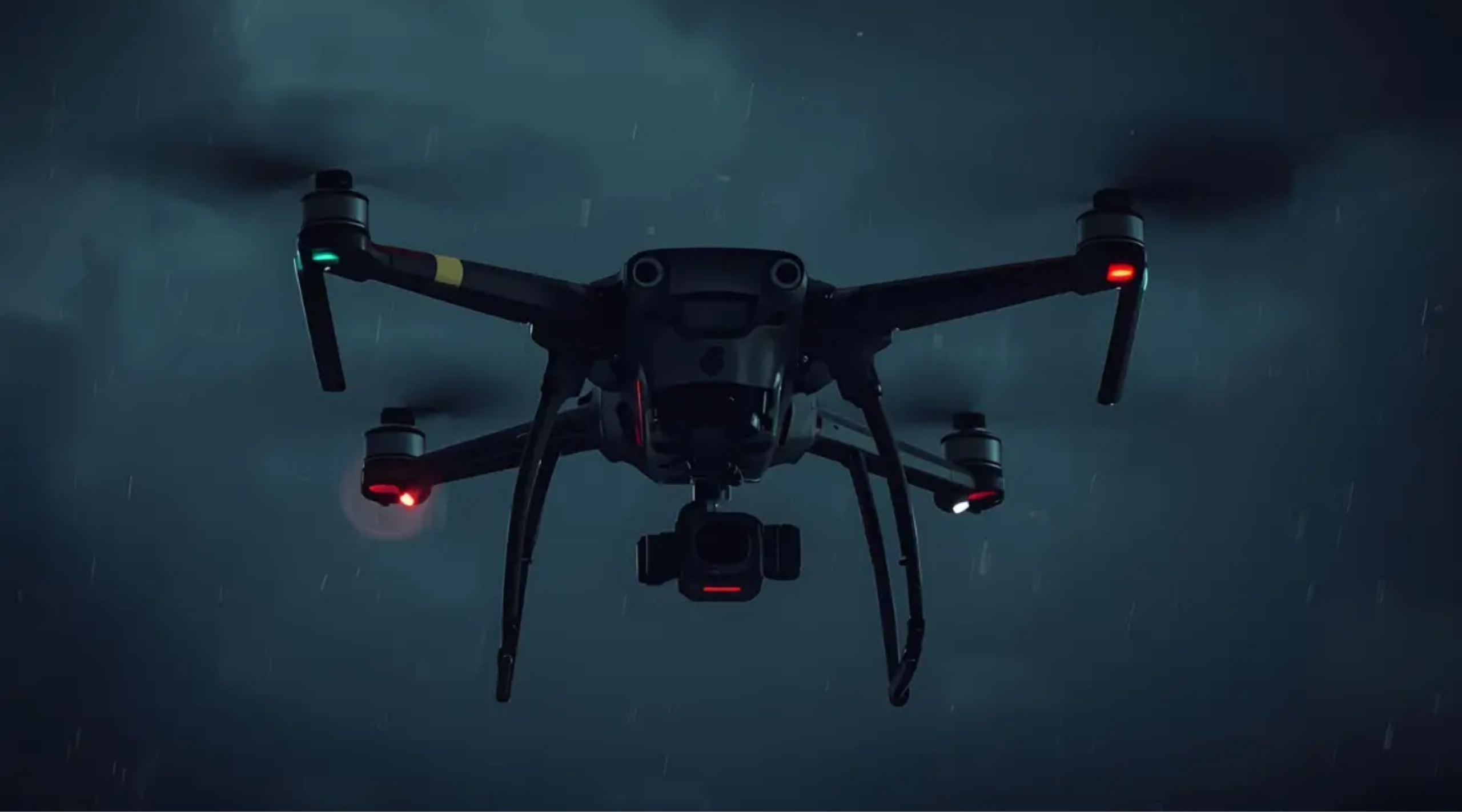
Due to concerns over potential drone attacks, approximately a dozen US aircraft were relocated from the Royal Air Force (RAF) Fairford base in the UK on Sunday, a military facility that stores American equipment related to the Iran conflict.
Ullman remarked that such incidents demonstrate how even major military forces must adopt defensive postures because of drone attack risks.
“We saw America relocate its B-1 bombers from the UK out of fear of Iranian attacks. Likewise, Ukraine launched small drones to target Russian military infrastructure in ‘Operation Spiderweb,’” he added.
The Financial Toll Heightens Political Pressure
The escalating costs of the war against Iran have increased political pressure on US President Donald Trump’s administration.
Earlier this year, citing the necessity of the conflict, the Trump administration requested an allocation of $1.5 trillion for the defense budget in fiscal year 2027.
However, members of Congress, particularly Democrats, questioned the rising expenditures.
Last month, 45 Democratic senators and one independent senator openly wrote to Defense Secretary Pete Hegseth demanding greater transparency about war expenses.
They demanded a detailed accounting of costs before Congress would consider any further funding.
“American taxpayers have already spent an additional $100 billion out of their own pockets due to rising gasoline and diesel prices. The war has increased costs for essentials such as food, mortgages, and airfares, adding at least another $60 billion,” the senators wrote in their letter. “Now you are asking American citizens for more money to fund a war that Congress never authorized and the president started without a strategic plan.”
Another CBO report released in September estimated that nearly $38 billion had already been spent on the conflict with Iran through August 1.
This figure includes expenses for weapons used during the war, replacement of destroyed military equipment, increases in fuel costs, and other operational expenses.
“If the conflict is extended by another month, an additional $2 billion in costs will be incurred,” the report stated.
However, if the war intensifies to levels seen in July, the monthly cost could rise to as much as $3 billion, the report noted.
Surveys indicate that the war remains unpopular among American voters, and analysts are discussing how rising defense expenditures might impact the upcoming midterm elections, which will determine whether Trump’s Republican Party maintains control of Congress.
Still, Ullman stated Monday that the report is unlikely to decisively affect the midterm election results.
“I don’t believe this report will influence the election outcome. Even anti-war Americans may understand that some degree of damage is expected during military operations,” he said. – Based on Al Jazeera reporting