
No Question on Integrity, Lack of Progress in Judgments: Review of Chief Justice Prakash Man Singh Raut’s Tenure
Summary
- Chief Justice Prakash Man Singh Raut is set to retire on 31 March 2023 upon reaching the mandatory retirement age of 65.
- During his one and a half year tenure, there were no allegations of economic interest or undue influence affecting the judiciary.
- However, weaknesses were observed in controlling judicial irregularities and leading the constitutional bench effectively.
March 31, Kathmandu — Chief Justice Prakash Man Singh Raut is retiring on Tuesday after reaching the age limit of 65. He was appointed as Chief Justice on October 17, 2024 and led the Supreme Court for one and a half years.
At the start of his tenure, the Supreme Court building was set on fire amid the Janajati movement protests. Despite challenging circumstances, he led the judiciary for seven months during this tumultuous period.
Raut’s approximately 18-month tenure has received a mixed evaluation. While weaknesses in judicial leadership and irregularities maintained through silent consensus were curtailed during this period, significant challenges remain.
There were no allegations against him regarding the distortion of justice for economic gains or bias in adjudication during his tenure. Analysts, however, point out that he showed limited progress in keeping the judiciary independent from executive influence and in advancing long-term constitutional verdicts and judicial interpretations.
Raut served as a Supreme Court judge since August 2, 2016 and was actively involved in committees studying judicial distortions and discrepancies. He also contributed to committees formed by the Bar Association.
Throughout his career, he was seen as someone who earnestly sought judicial reforms and was known for responding firmly to protect his reputation at critical moments.
‘Integrity Unquestioned’
He was never accused of engaging in economic interests or favoritism. This reputation is considered his strongest asset and has earned him the firm acceptance of his supporters. He continued the tradition established by his predecessors, Vishwambhar Prasad Shrestha and Hari Krishna Karki, of safeguarding justice from economic influence.
In matters of influencing cases or favoritism, he is generally regarded as more impartial than Vishwambhar Prasad Shrestha and comparatively close to Hari Krishna Karki.
Apart from Sushila Karki and Hari Krishna Karki, recent Chief Justices have mostly been appointed from judges who rose through the lower courts. Since Raut’s tenure, judges from legal practitioner backgrounds have led the Supreme Court for around 11 years.
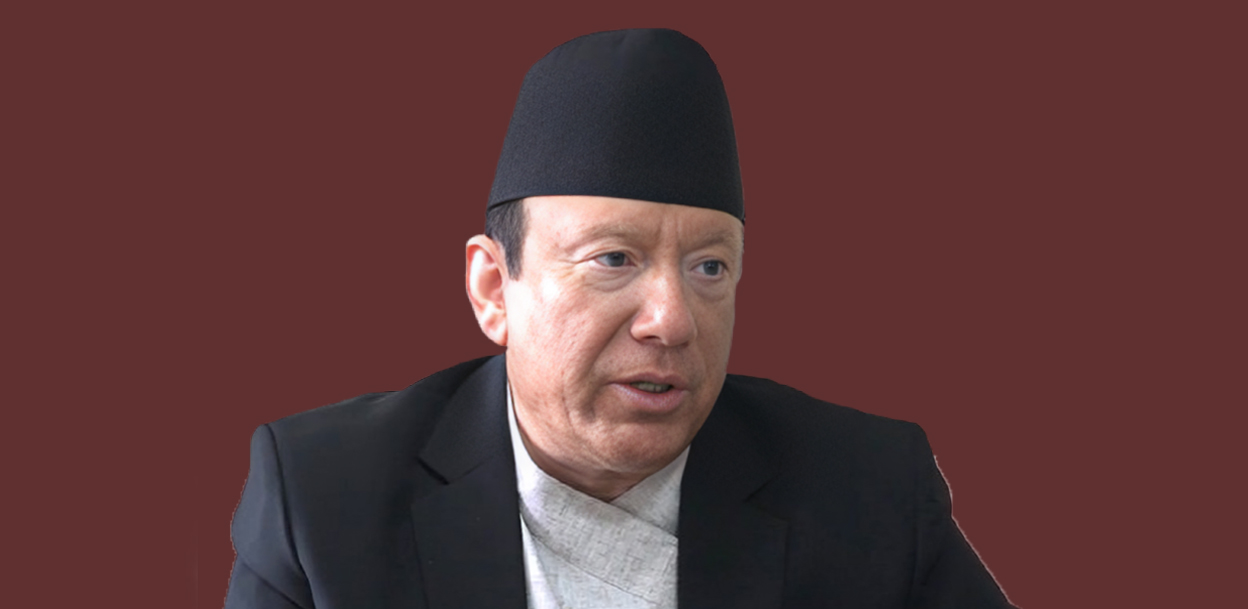
According to a senior former Supreme Court judge, among Chief Justices who have stayed clear of economic controversies over the last decade, notable names are Sushila Karki, Vishwambhar Prasad Shrestha, and Prakash Man Singh Raut. Others have not been able to avoid disputes and allegations.
Senior lawyer Tikaram Bhattarai said, “There has never been any doubt that he entered the court with a clean record. Not raising questions about integrity and honesty in financial matters is a major accomplishment.”
However, he did not succeed in controlling distortions and problems within the judiciary. Issues involving questionable cases extending to lower courts remained unaddressed during his tenure.
Former Attorney General Dr. Dinmani Pokharel said, “There was no visible strong step taken by him to stop irregularities inside the judiciary. The public expected more proactive action.”
‘More Active in Expression than in Judgments’
One Supreme Court justice observed that Raut was more active on social platforms and public forums than in judicial rulings. His statements on Facebook, public assemblies, and media failed to significantly influence judicial decisions or legal opinions.
“He was energetic in advocating freedom of expression, rule of law, judicial independence, and separation of powers, yet this energy was not equally reflected in his judgments,” the justice noted.
During his tenure, his perspectives and opinions were less visible in many key Constitutional bench cases. In controversial matters such as the appointment of 52 constitutional office holders, he was often in the minority.
Bar Association President Vijay Prasad Mishra likened Raut’s tenure to “an attempt to sing a sweet song amid chaos.”
He said, “It is difficult to sing a good song amid turmoil; even if the melody is sweet, the surrounding people may not hear it clearly.”
Raut did not respond firmly to executive interference and pressures on the judiciary. In some cases, government influence was reportedly visible even within the judiciary itself.
Though he made statements and engaged in dialogues, critics say his initiative and follow-up in action were weak.
Dr. Pokharel notes that while criticism about insufficient focus on the quality of judicial appointments is valid, it is positive that Raut avoided unnecessary controversies with the executive in a difficult environment.
Reflecting on his achievements, Bar President Mishra added, “Raut indirectly led the 109-day movement against the malpractice of Chandra Shamsher Jabara and resolved the Bar-Bench dispute.”
However, following the events of September 8 and 9 (Bhadra 23 and 24), the judiciary’s morale has been unsettled and public support has diminished, Mishra says. He believes it will take more time for the judiciary to return to normalcy.
“It is satisfying for us that he was appointed Chief Justice from the Bar without any economic controversy and was unquestionably selected,” Mishra emphasized.