
Majority of Informal Workers Do Not Receive Full Wages, Study Reveals
File photo.
News Summary
Prepared after editorial review.
- An ActionAid Nepal study found that 66.2% of workers in the informal sector do not receive their full wages.
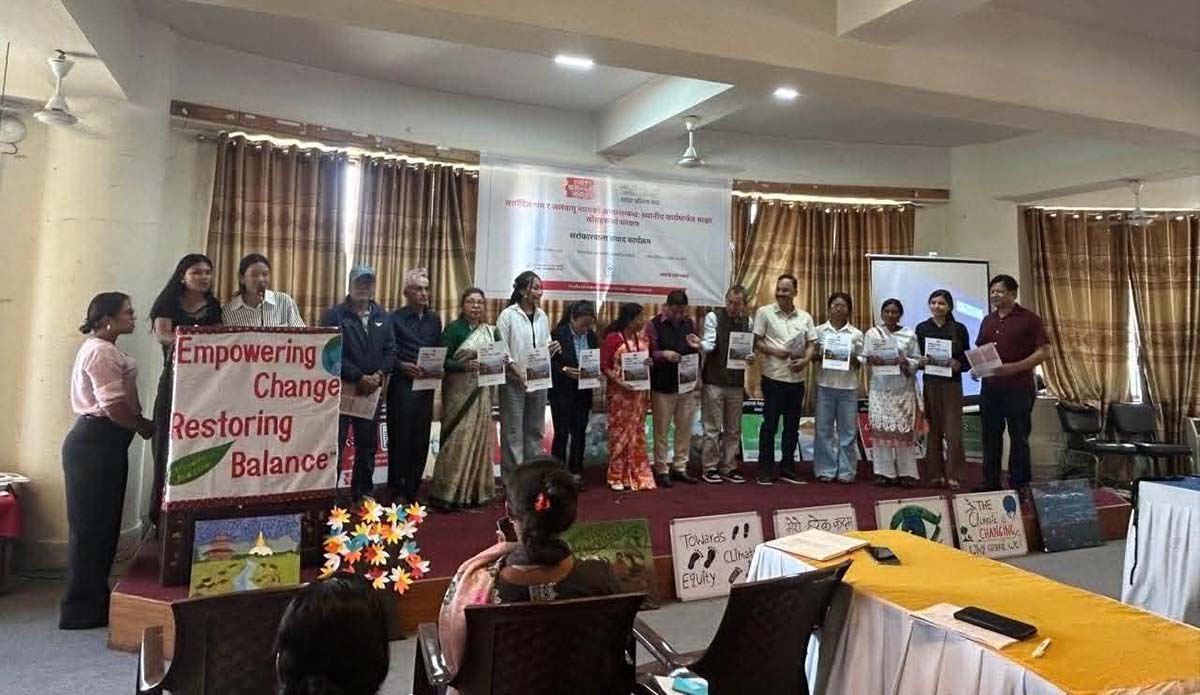
A recent study reveals that most workers in Nepal’s informal sector do not receive their full wages. ActionAid Nepal conducted a survey covering 361 workers across 13 districts. The findings showed that a majority of workers lack written contracts, receive incomplete wage payments, and that female workers face higher exploitation compared to their male counterparts.
The report, released on Thursday in Kathmandu, highlights wage theft as a serious and systemic issue. Among the surveyed workers, 66.2% reported not receiving their full entitled wages, while 73.4% stated they only received partial payments.
Furthermore, 93.1% of workers did not have written labor contracts. Despite wage issues, 89.2% did not file formal complaints. The study also found that 24.9% experienced delayed payments and 18% received wages lower than agreed upon.
The study also exposed significant gender disparities in the labor market, finding that female workers earn on average 31.1% less than their male counterparts.
According to the report, contractors and primary employers are the main actors exploiting workers. About 57.3% of workers receive wages through contractors, yet only 6.9% of these have written contracts, the study notes.
Workers who find employment through middlemen have zero incidence of written agreements, the study revealed.
Reacting to the report, Narayannath Luintel, Deputy General Secretary of the Nepal Trade Union Federation (NTUF), stated that wage theft is widespread in the informal labor sector.
Saroj Pokharel, Head of Program, Policy, and Business Development at ActionAid Nepal, noted that difficulties in obtaining evidence and limited access among informal workers make it even harder for them to obtain justice.
The report calls for stronger protections for informal sector workers’ rights, mandatory written labor contracts, and effective grievance mechanisms.