
Oli, Minister Lekhak, and Chief of Army Staff Sigdel Found Responsible in Zenje Protests, Human Rights Commission Recommends Action
News Summary
- The National Human Rights Commission has submitted a report to Chairman Tap Bahadur Magar regarding the investigation of the incidents on September 8 and 9.
- The report concludes that the National Security Council failed to effectively implement security plans during the Zenje protests.
- The report recommends action against officials involved in human rights violations, with statements from 90 individuals collected by the commission.
March 19, Kathmandu – A committee formed by the National Human Rights Commission to investigate the incidents of September 8 and 9 has prepared a report recommending action against former Prime Minister KP Sharma Oli, Minister of Home Affairs Ramesh Lekhak, Chief of Army Staff Ashok Raj Sigdel, as well as all officials of the National Security Council.
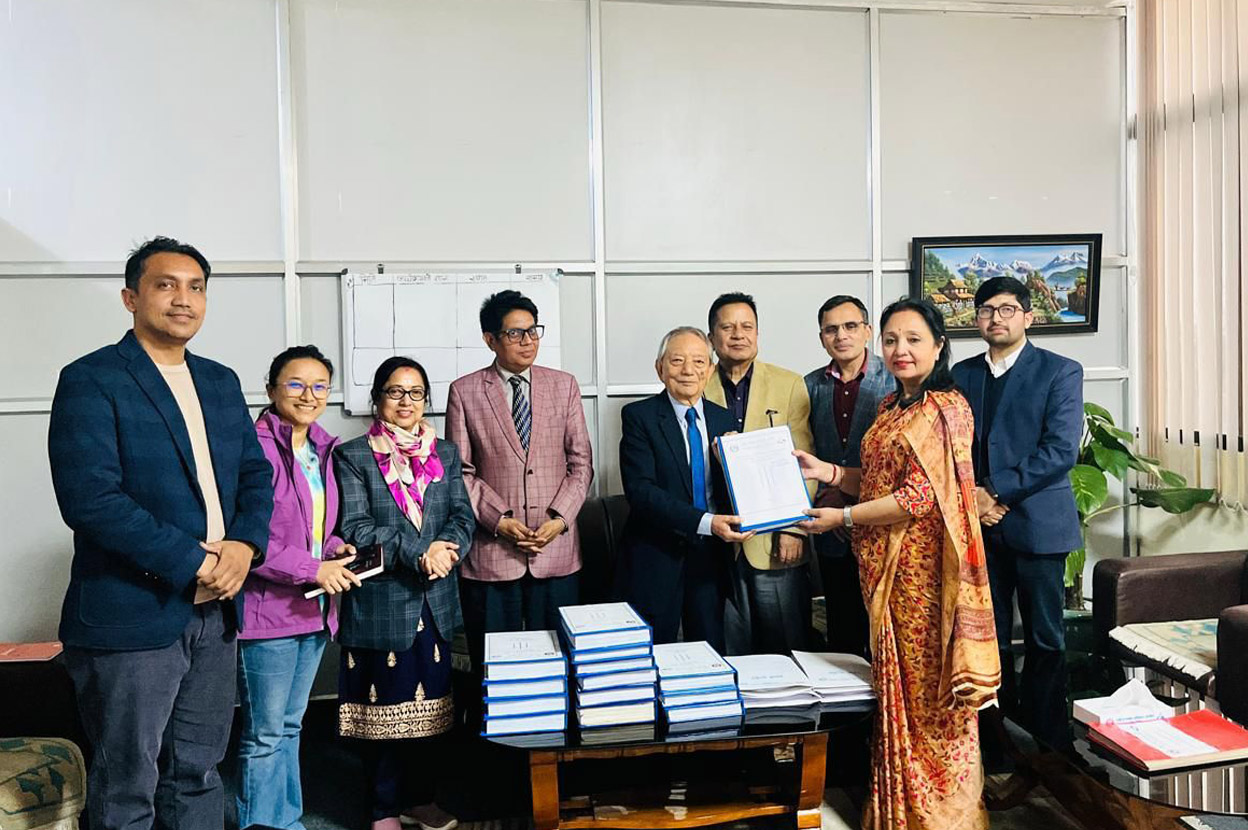
On Friday, the committee presented the report to the Commission Chairman, Tap Bahadur Magar.
The commission had established the committee, led by member Dr. Lili Thapa, to investigate human rights violations during the Zenje protests. Commission spokesperson Tikaram Pokharel stated, ’The investigation committee has submitted the report to the chairman. Now, the full commission will meet to decide on the matter.’
The investigative report concludes that the National Security Council did not effectively fulfill its role during the Zenje protests.
Although the responsibility for national security rests with the Security Council, the report highlights the lack of necessary security planning and implementation given the severity of the situation.
’The report holds the officials of the National Security Council accountable for human rights violations and recommends punitive actions,’ sources said. ’Once the commission approves the report, the recommendations will be implemented.’
The National Security Council, chaired by the Prime Minister, includes the Defense Minister, Home Minister, Foreign Minister, Finance Minister, Chief Secretary, and Chief of Army Staff. The Secretary of the Defense Ministry serves as the member secretary.
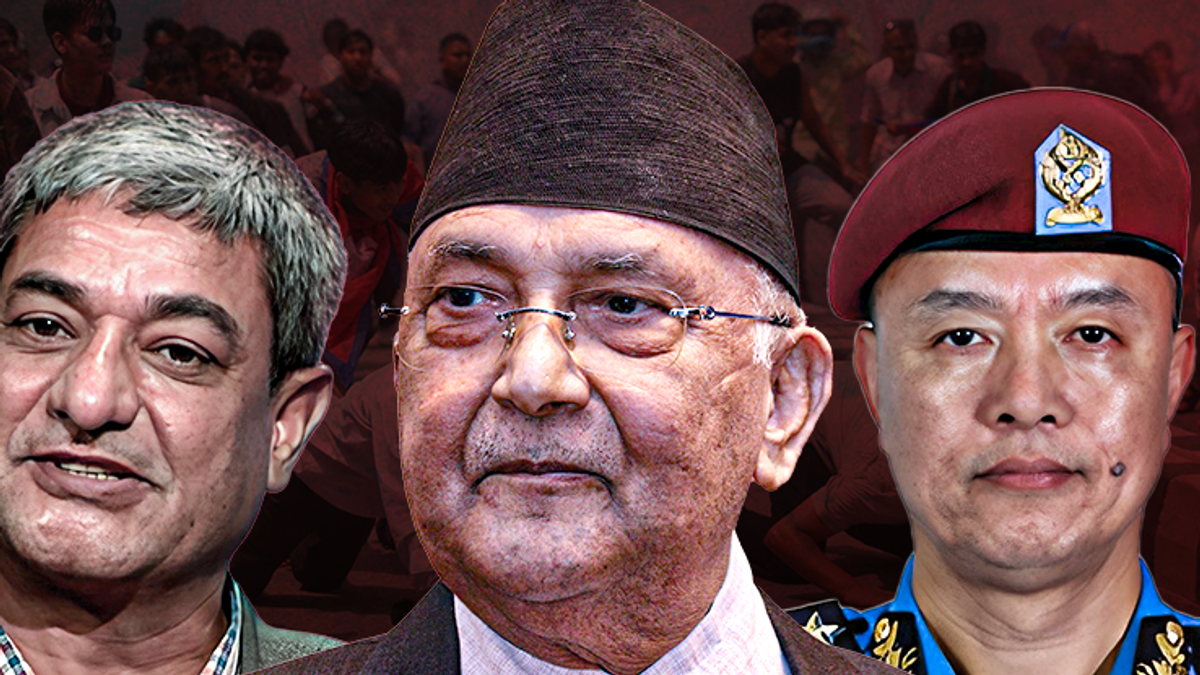
During the protests, the then Prime Minister KP Sharma Oli chaired the council. The members included Deputy Prime Minister and Finance Minister Bishnu Prasad Paudel, Home Minister Ramesh Lekhak, Foreign Minister Dr. Arju Rana Deuba, Defense Minister Manbir Rai, Chief Secretary Eknarayan Aryal, and Chief of Army Staff Ashok Sigdel.
All these Security Council officials have been recommended for action according to the Human Rights Commission Act and other laws.
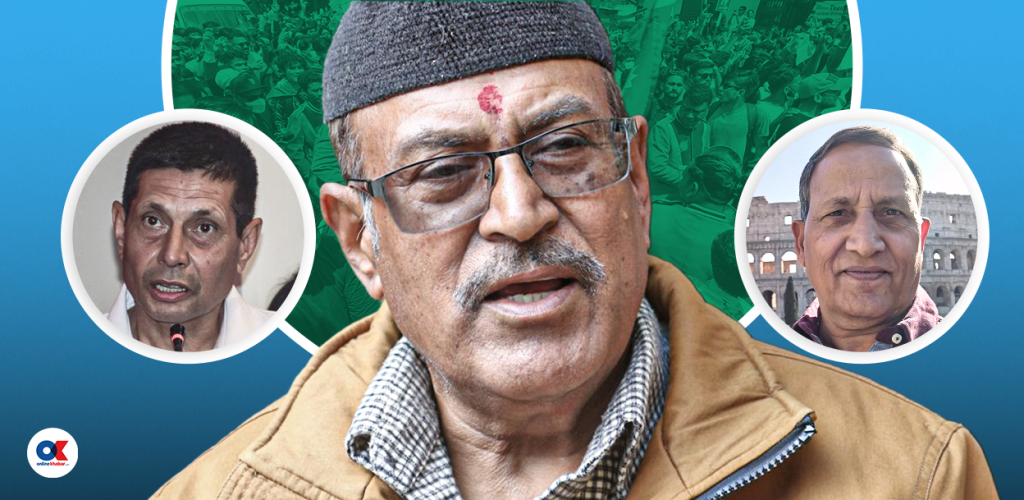
The commission has taken statements from former Prime Minister Oli, Home Minister Lekhak, Communications Minister Prithvi Subba Gurung, Nepal Police Inspector General Chandrakuber Khapung, Armed Police Inspector General Raju Aryal, among others.
Statements were also collected from former Home Minister Ravi Lamichhane, Kathmandu Metropolitan Mayor Balendra Shah, artist Deepak Raj Giri, and Nischal Basnet.
Chief of Army Staff Ashok Raj Sigdel was summoned for questioning but did not appear, an internal commission source revealed.
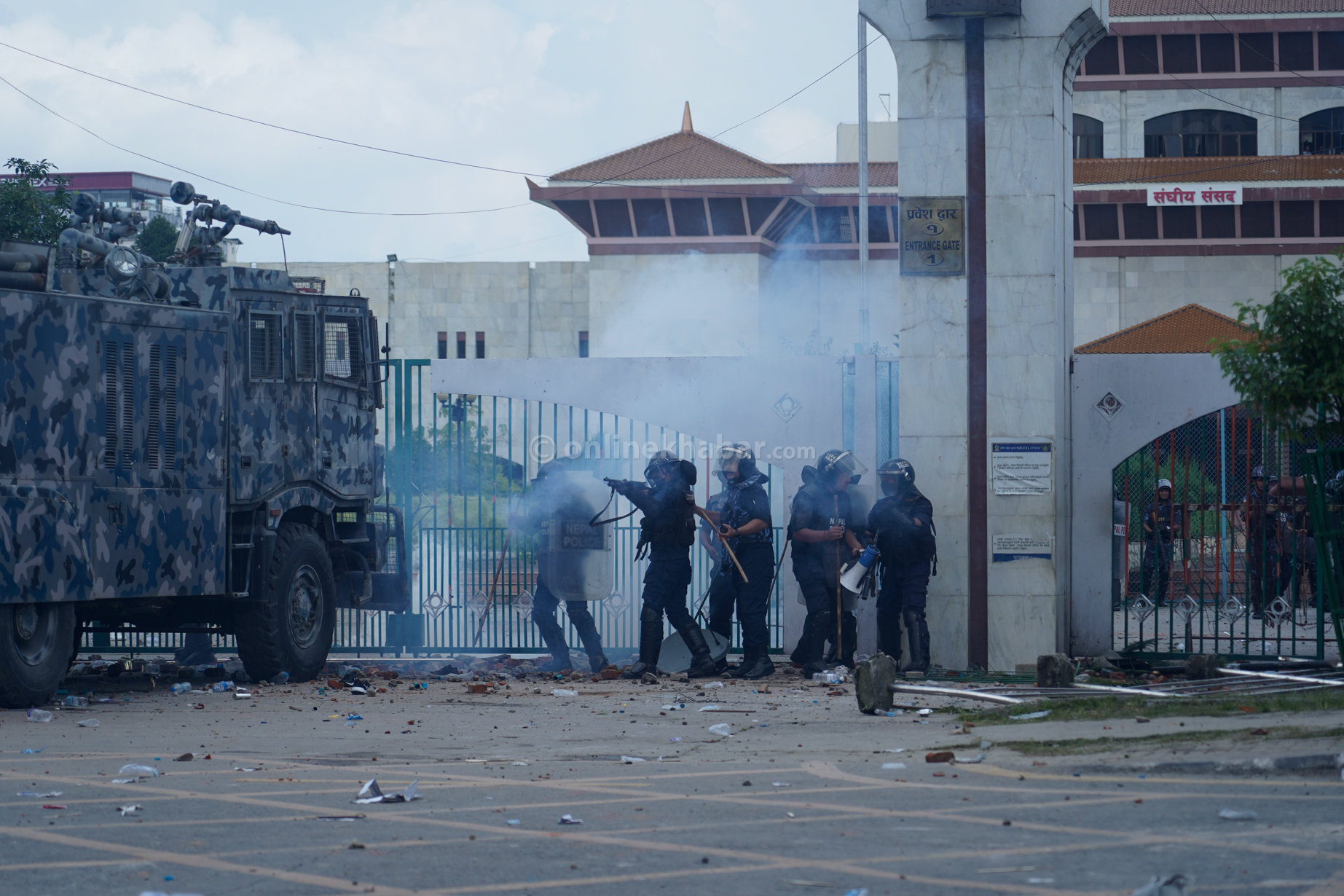
The committee’s report also found that no specific security plan was implemented, and instead of gradually using force to control the protests, excessive force and lethal weapons were applied simultaneously. The commission has recommended action against those involved.
The commission also conducted a detailed study concerning the roles of Zenje protest leaders and street-level organizers.
A thorough evaluation was made regarding the preparations before the September 8 protest. The commission studied messages and videos circulated on various social media platforms. Activities discovered include teaching bomb-making on Discord and sharing maps of leaders’ and businessmen’s homes and offices, sources stated.
The commission reviewed about 300 to 400 messages, videos, and audio files. Events were meticulously analyzed with forensic and ballistic reports included.
The postmortem reports obtained by the commission show that the majority of victims shot on September 8 suffered gunshot wounds above the waist.
The roles of the then Kathmandu Metropolitan Mayor and human rights concerns related to Ravi Lamichhane’s release from jail were also examined. Both Mayor Balendra Shah and Lamichhane were questioned about their roles.
The government established an investigation commission chaired by Gauribahadur Karki to probe the Zenje protests, and it recently submitted its report, which has not yet been made public.
Sources indicate that the Human Rights Commission conducted its research from a purely human rights and accountability perspective, focusing especially on the issue of excessive use of force.
The six-member committee, chaired by Dr. Lili Thapa, prepared a detailed report exceeding 600 pages. Including annexes, the full report totals approximately 10,000 pages.
The commission emphasized determining whether human rights violations occurred and whether excessive force was used during the protests.
Statements were taken from around 90 individuals during the first phase, including former Prime Minister KP Sharma Oli, Home Minister Ramesh Lekhak, and Kathmandu Metropolitan Mayor Balendra Shah. In the second phase, questioning involved 506 people.
The commission also took statements from Security Council officials, police and armed police chiefs, police commanders, and district security committee officials.
’An extensive study of the roles and responsibilities during the protests was conducted,’ a source said.
While the government report lists 77 deaths over the two days, the commission’s report records 76 fatalities. The number of injured is stated to be 249.
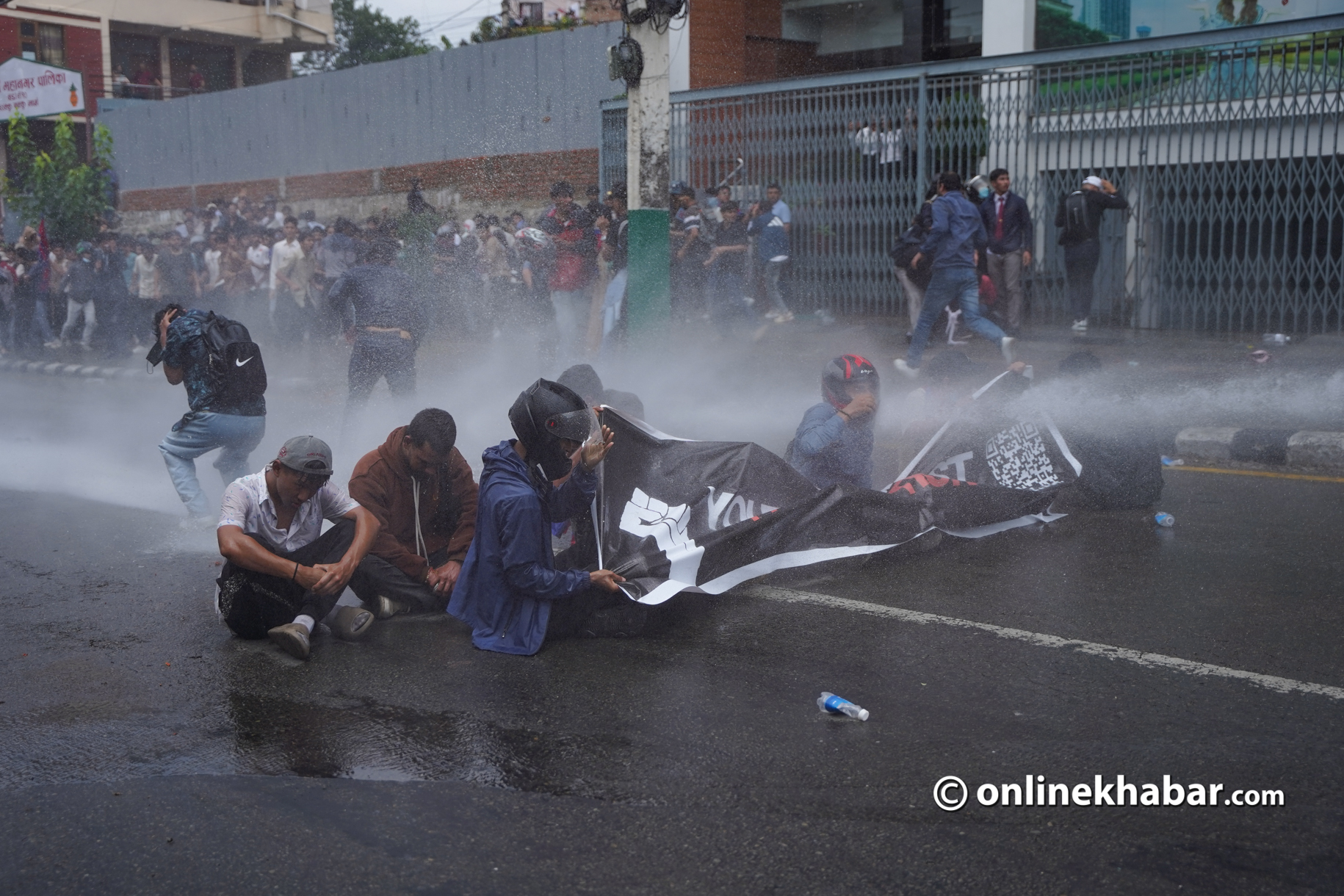
Interviews were conducted with families of those who died during the protests, injured individuals, event organizers, Zenje leaders, street protesters, and artists and professionals involved in the movement.
The commission’s teams and regional offices carried out on-site investigations in 45 districts and monitored all 77 districts. Hundreds of CCTV footages from the two days’ incidents were subjected to forensic analysis, the report states.
The Human Rights Commission had also prepared a report on the royalist protests held at Tinkune on March 29, but it has yet to be made public.