
Dozer Operated on Fewa Lake Structures, Rebuilt Within Three Days Sparking Controversy
March 6, Pokhara — The operation of a dozer on structures along the shore of Fewa Lake, early Saturday morning, became a nationwide topic of discussion. Soon after incorporating the preservation of Fewa Lake into the government’s 100-point agenda led by Prime Minister Balendra Shah, the dozer operation was carried out under the directive of Home Minister Sudan Gurung. However, within three days, the demolished structures have been rebuilt to their original state, reigniting controversy.
In coordination with Prime Minister Shah, Home Minister Gurung, and Pokhara Mayor Dhanraj Acharya, dozers were deployed early Saturday morning to remove 32 structures located within the 65-meter mandated buffer zone around Khapaundi area of Fewa Lake. The operation targeted local landowners’ structures as well as parts of the Park Village Waterfront Resort premises and the swimming pool area. Tourists were even reportedly sleeping near the site amid the dozer activity, which drew significant public protest.
Following the widespread debate ignited by the dozer operation on RatoPati news platform, the demolished structures have since been restored to their previous condition. Local residents and business owners have criticized the metropolitan office for conducting the demolition without proper coordination, causing unrest among the community. These business owners have now reconstructed the structures and resumed their operations.
While numerous structures line the lake shore, the metropolitan authority only demolished parts of 32 structures. The demolition caused damage to walls, hoarding boards, the swimming pool at the waterfront, and the garden. Yet, within two days, the majority of the demolished structures were rebuilt, and businesses in those locations have resumed.
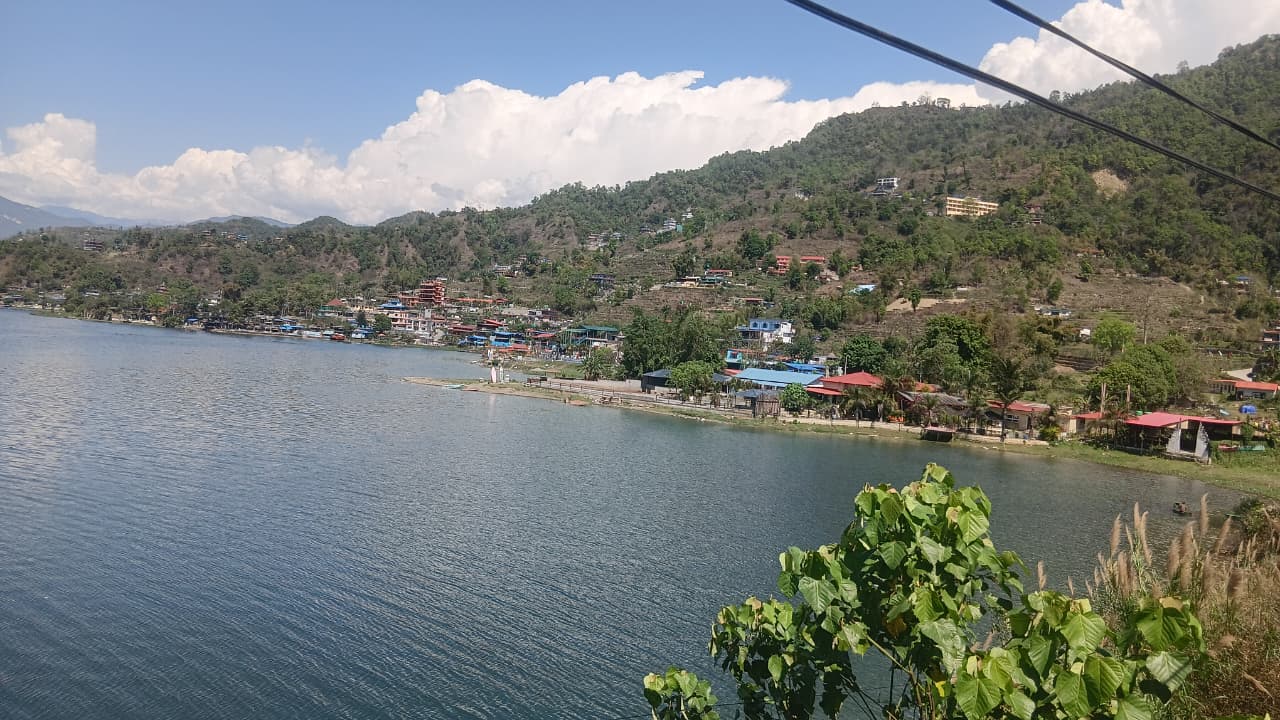
The rushed dozer operation, conducted under instructions from the Prime Minister and Home Minister, led to immediate controversy. On Sunday, local landowners and businesspersons submitted memorandums to the District Administration Office Kaski, Pokhara Metropolitan City offices, and staged demonstrations against Prime Minister Shah, Home Minister Gurung, and Mayor Acharya.
Local businesses and landowners have vowed to defy the metropolitan government’s order to demolish the structures within 15 days. By Monday, nearly all damaged structures were rebuilt to their original condition, signaling resistance from the community.
Mayor Dhanraj Acharya claimed that demolitions would be limited and temporary, asserting that the structures would not be restored to their previous condition again. However, Tarunath Pahari, chairperson of the Pokhara Tourism Council, criticized Mayor Acharya’s remarks, stating they were made without understanding local sentiments and the actual regulations, branding it a stunt.
Local resident Hari Bhujel expressed concerns that the conflict had arisen due to misunderstandings of local feelings and Fewa Lake’s regulations, improperly associating the controversy with the Prime Minister and Home Minister. Bhujel emphasized the need for long-term planning and community consultation instead of using dozers merely to gain attention.
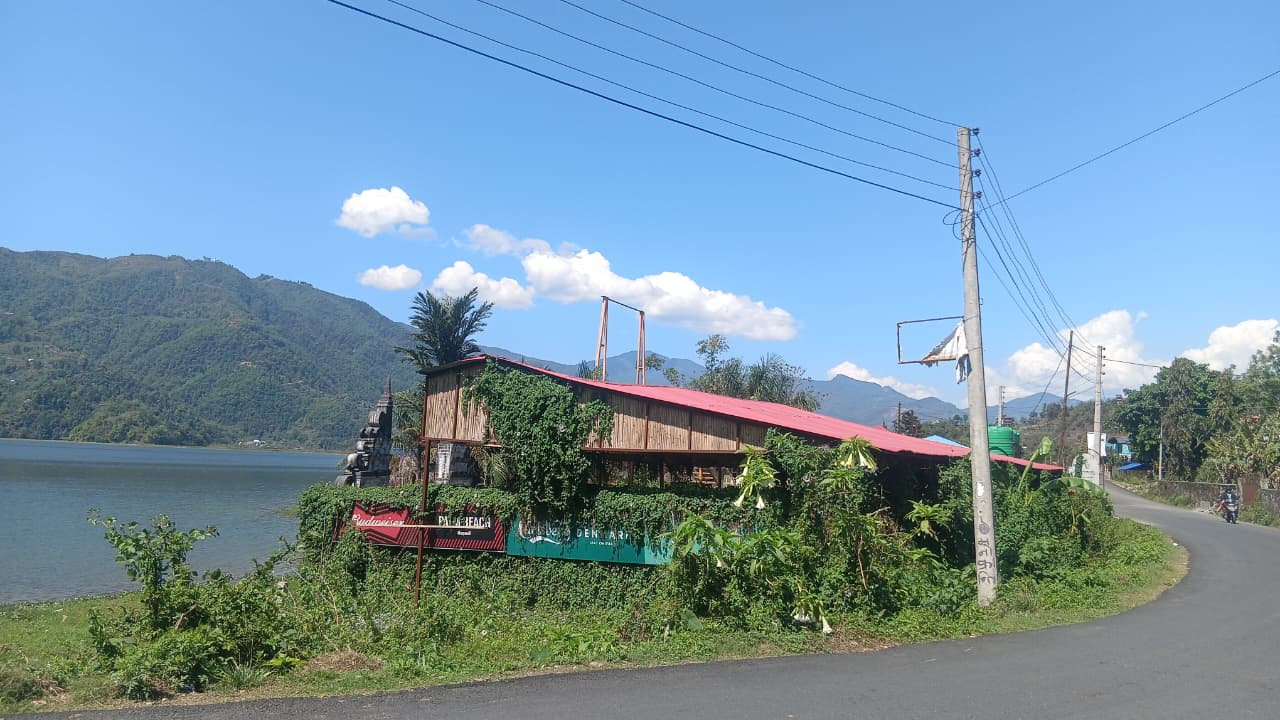
Laxman Subedi, President of Pokhara Hotel Association, noted that while enforcement of the standard is desired by both business owners and locals, causing disruptions while tourists are present is counterproductive. He urged for dialogue instead of instilling fear in locals in the name of regulation enforcement.
In Khapaundi, Mayor Acharya has previously conducted dozer demolitions on one or two structures. Similarly, former Mayor Man Bahadur Jaisi faced controversy for operations around the Coco Beach area. The practice of demolishing structures only to allow reconstruction later has raised questions about compliance with legal regulations by elected officials.
Mayor Acharya claims the demolition this time was carefully prepared. However, locals reject this claim and insist on restoring the previous status quo. Many argue that the government’s operation without adequate preparation will inevitably exacerbate the dispute.
Despite repeated requests from the metropolitan city to refrain from building within the Fewa Lake buffer zone, construction continued. Although attempts are made each year to remove unauthorized structures, their numbers continue to rise along the lake’s edge.
The powerful administration led by Prime Minister Balendra Shah is expected to resolve this issue. Inclusion of Fewa Lake protection in the 100-point agenda and subsequent government action spurred public discussion.
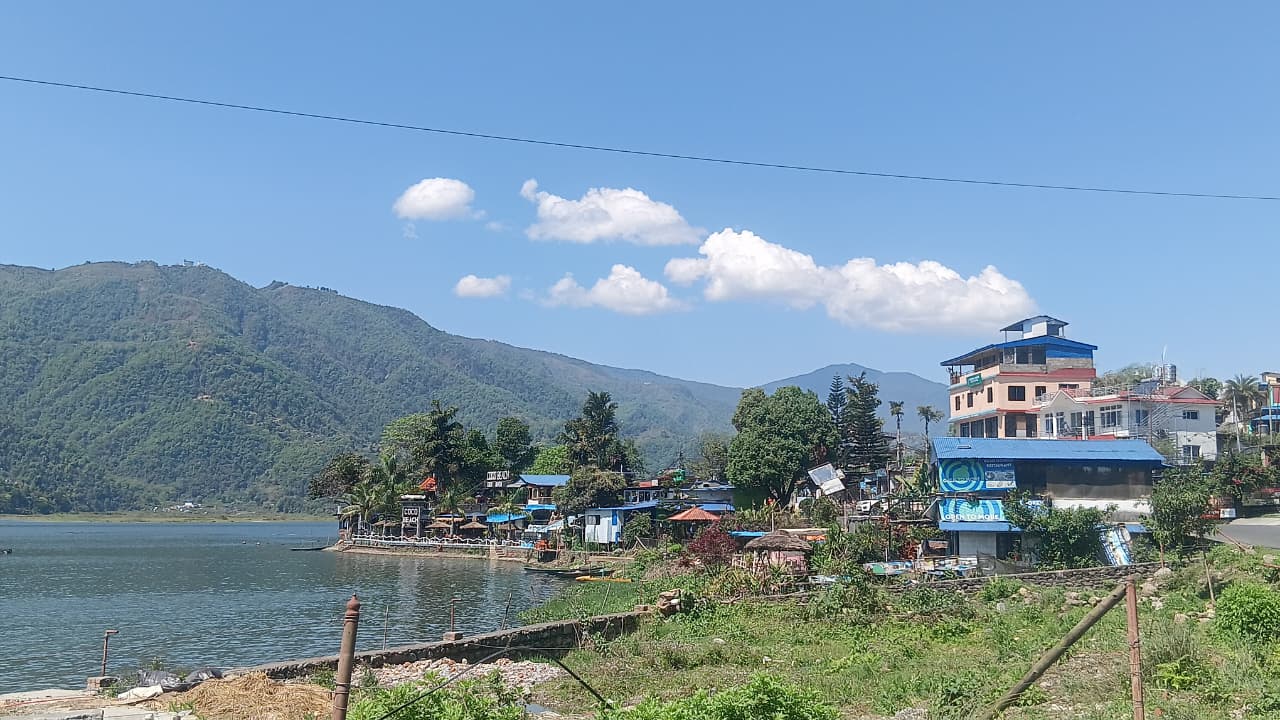
Recently, Mayor Acharya claimed that the Waterfront Resort property lies within the regulation area, prompting Home Minister Gurung to assert that despite the loss of his own land, the standards must be enforced. This claim has also fueled tensions.
Home Minister Gurung has faced criticism after it came to light that he rented land within the regulation area and built structures. When locals revealed six years of unpaid rent, Gurung asserted he was deceived and vowed to pursue legal action. The controversy remains unresolved.
With the mayor and home minister both at the center of criticism, there is growing doubt about the success of regulation enforcement. Mayor Acharya has declared no further demolitions will occur if the structures are not removed within the allotted time. If the government once again fails to reach a decision, former study coordinator Bishwaprakash Lamichhane warned that the Fewa Lake issue will never be resolved.
Although the Supreme Court repeatedly ordered enforcement of the 65-meter buffer zone, previous governments had not succeeded.
According to Mayor Acharya, boundary demarcation around the waterfront is complete. Following Supreme Court directives, 1,055 pillars have been installed to mark the 65-meter buffer, measured from the highest water flow point. Efforts are ongoing to identify and demarcate contaminated lands.
The regulations have unsettled those constructing illegal structures under the cover of political influence within the zone, placing them under scrutiny.
The Supreme Court’s order issued on June 18, 2023, mandates maintaining a 65-meter buffer around Fewa Lake. However, on April 1, 2022, Pokhara Metropolitan had reduced this standard from 65 meters to 30 meters. Lawyer Khagendra Subedi and others filed a writ petition challenging this reduction.
In response to the writ, the court ordered the removal of structures within the 65-meter zone within six months and declared the intermediate buffer zone as a complete green area.
There is also ongoing conflict regarding compensation for land within the lake area recorded between 1961 and 1974. Only land outside the established lake and its delineated zone is eligible for compensation under law. The government has set procedures to prevent registering state land under the lake’s name.
The court-mandated 65-meter buffer zone, declared a green belt, has yet to be implemented, leading to contempt cases against the Gandaki Provincial Government, Pokhara Metropolitan, and federal government in the past.
Due to this litigation, a committee led by former Kaski District Development Committee chair Punya Prasad Paudel submitted a boundary demarcation report on February 14, 2021. The report, published on March 4 in the official gazette, delineated the Fewa Lake area as 5.726 square kilometers (11,255 ropani).
According to Paudel’s study, the high flood level is set at 754.9 meters above sea level, resulting in a total inundated area estimated at 6.343 square kilometers—approximately 1,213 ropani larger than the official figure.
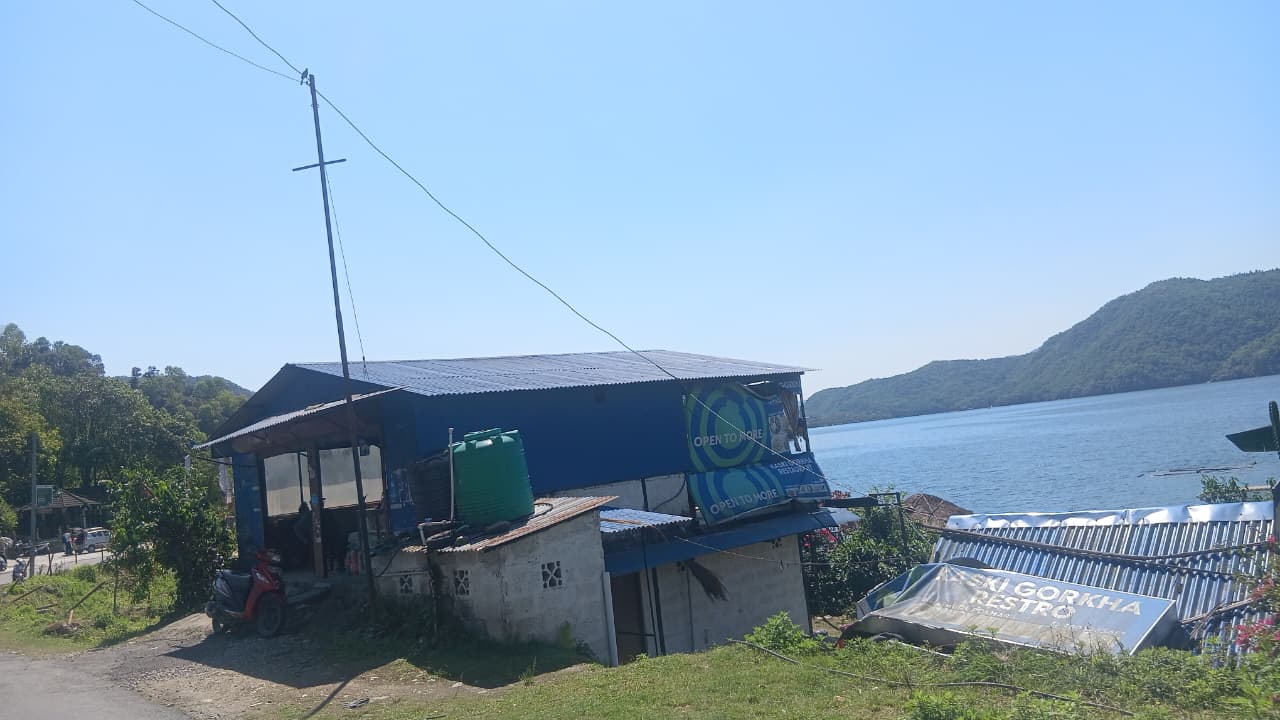
Mayor Acharya states that the Supreme Court-defined 65-meter area equates to 7.616 square kilometers (14,570 ropani).
Work continues to identify contaminated lands and differentiate between compensated and uncompensated properties. Additionally, land registered post-2018 is undergoing taxation and ownership verification. The committee led by Paudel reports that 1,479 ropani of Fewa Lake area is illegally occupied.
Reports indicate 881 land plots fall within the lake area, with 518 plots covering 916 ropani registered to individuals. Besides tax-exempt land covering 477 ropani and 12 anna registered under private names, 83 ropani of land has also been officially registered to individuals per court decisions.
Furthermore, 133 ropani is reportedly in private use and undergoing registration, while 83 ropani across 75 plots were registered under royal authority in the past.
Overall, more than 1,610 ropani of land within Fewa Lake is registered under private ownership, while 907 ropani remains government property, planned to be officially registered under the lake’s name per committee reports. Of this government land, 503 ropani is registered under the Harpan River name.
Bishwaprakash Lamichhane first raised concerns in the Supreme Court on July 7, 2011, leading to the court’s directive in 2018 for all three government layers to enforce lake protection measures.