
Basic Hospitals Falling into Ruins as Local Governments Struggle to Operate Them
News Summary
- Although the government announced the construction of 659 basic hospitals in 2020, only 99 have been built over five years.
- Most of the constructed hospitals are non-operational due to lack of staff, equipment, and budget.
- The federal government has delegated workforce management to local governments, but local bodies cite financial difficulties as a major challenge.
On April 24, Kathmandu – In 2020, the federal government decided to establish 659 basic hospitals in local units without existing hospital facilities. Five years on, only 99 hospital structures have been completed.
However, the distressing reality is that most of these buildings remain abandoned due to the shortage of medical staff and equipment.
The Jaljala Basic Hospital in Parbat district is among them.
Although the construction of the 10-bed basic hospital in Jaljala Rural Municipality was completed over a year ago, it has yet to open due to the absence of requisite medical personnel.
Ganesh Mall, head of the rural municipality’s health section, explained that the hospital’s operation remains uncertain because of staff, equipment, and budget shortages. “The building is state-of-the-art, with quarters for health workers and a fully equipped operation theater,” he said, “but without personnel, the facility stands empty.”
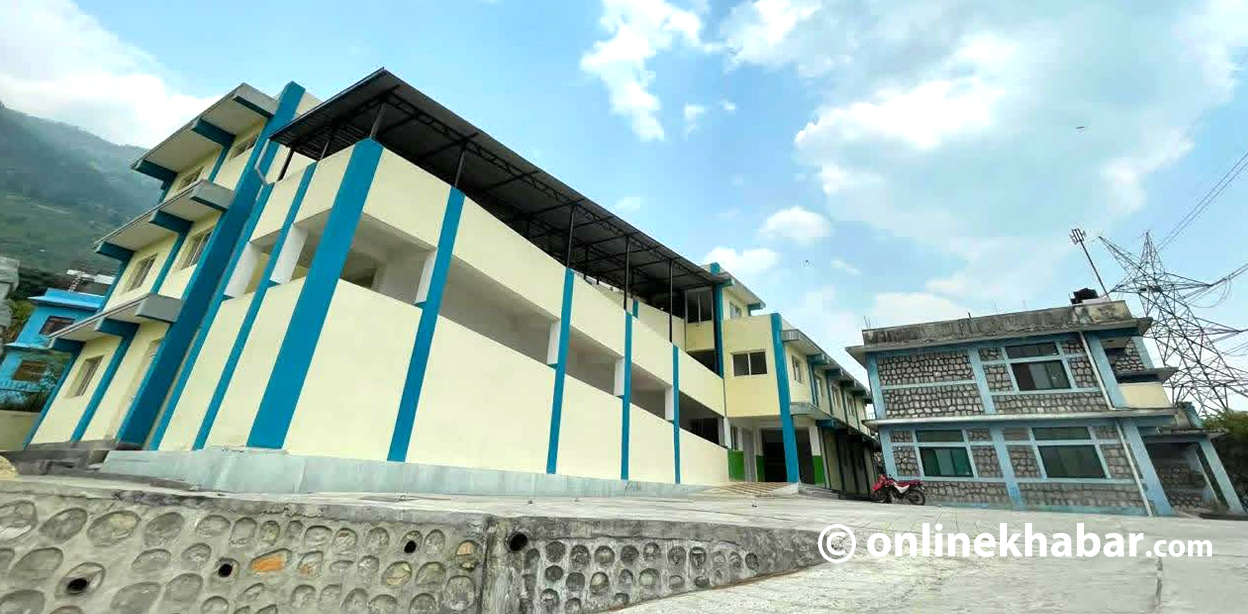
At least 22 staff members including medical officers are required to run the hospital properly. The Jaljala Basic Hospital was upgraded from the Majphat Health Post, which currently has only four health workers, including health assistants.
According to Mall, the federal and provincial governments have held multiple discussions to resolve human resources and equipment issues, but no solution has been reached so far. “The rural municipality has no revenue source and cannot sustain so many healthcare workers,” he said. “Without equipment and sanctioned posts from the upper levels of government, we cannot operate the hospital.”
In Koshi Province, 22 basic hospitals have been built, along with 22 in Gandaki, 18 in Bagmati, 17 in Lumbini, 9 in Sudurpashchim, 8 in Madhesh, and 3 in Karnali provinces. Despite billions spent on construction, human resource management has been neglected.
Former Prime Minister KP Sharma Oli had planned to operate 396 hospitals within two years, but failed to develop a long-term strategy for workforce management.
Officials from the Ministry of Health acknowledge that existing personnel levels are insufficient to provide services at basic hospitals. There is also a shortage of health workers even in larger hospitals, and sanctioned posts have not been added in the health sector for three decades.
According to government policy, operating hospitals is the responsibility of local governments, which must arrange sanctioned posts, salaries, allowances, and other benefits independently.
The estimated annual operating costs for basic hospitals with 5, 10, and 15 beds are approximately NPR 10 million, 15 million, and 20 million, respectively. While some local bodies have secured resources, many are unable to take further steps.
Khaptadchanna Rural Municipality in Bajhang district has been unable to operate its 10-bed hospital due to lack of funds. Surendra Bahadur Rokaya, head of the health section, said, “The building was completed a year ago, but no services have started because of staff shortages.”
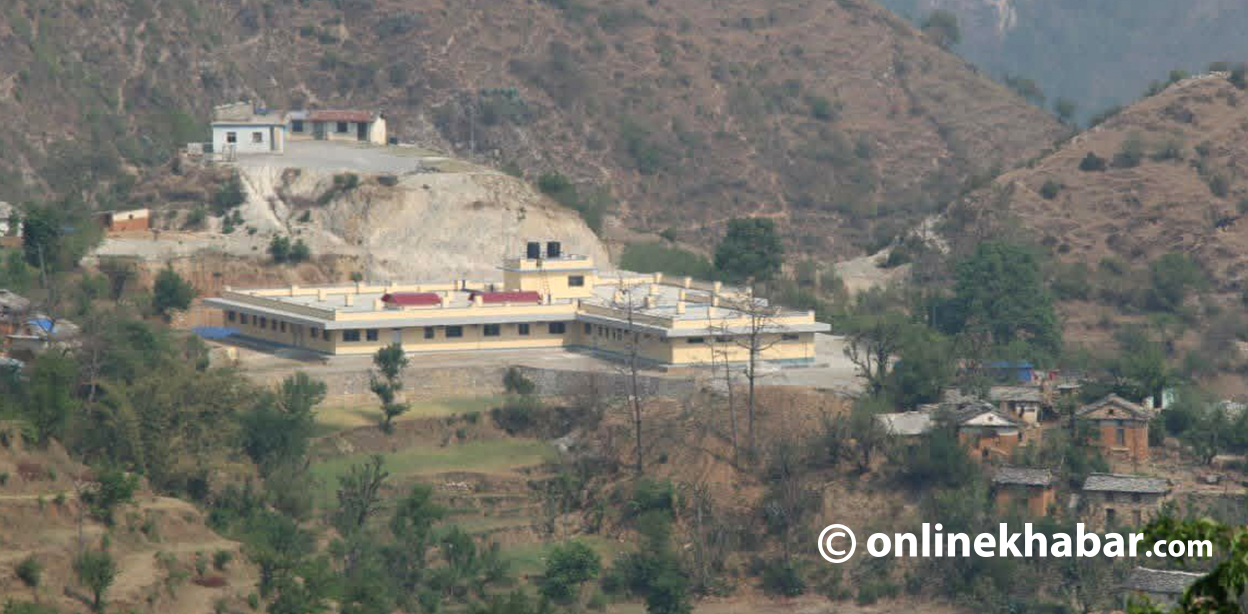
Rokaya explained that the rural municipality has corresponded with the provincial government for human resources and the federal government for equipment. The federal government had promised to send doctors under scholarship programs and provide equipment, but years have passed without fulfillment of these commitments.
Currently, limited services are being provided through the Khaptadchanna Health Post, including basic X-ray and laboratory facilities.
“To operate the basic hospital, two medical doctors, a lab technician, pharmacy staff, and nursing staff are essential,” Rokaya said.
He added that the rural municipality lacks the capacity to purchase expensive equipment, noting that a single X-ray machine costs more than NPR 2 million.
It is expected that once basic hospitals are operational, locals will not have to travel long distances to Dhangadhi or district headquarters for treatment.
“If there were adequate staff and equipment, locals could receive specialist services here, but the rural municipalities lack capacity and the central government does not provide sufficient attention,” Rokaya lamented.
The government plans for basic hospitals to provide all types of primary health services, including medical, obstetrics, pediatrics, general surgery, and emergency care 24/7 as infrastructure, staffing, and equipment become available.
However, the Ministry of Health states many local governments have retained old health post structures unchanged and failed to ensure adequate human resources in the new hospitals, which has contributed to operational challenges.
For 15-bed hospitals, a staff of 30 including an MDGP physician, two medical officers, six nurses, four health assistants, lab technicians, radiographers, dental hygienists, and pharmacy assistants is proposed.
Similarly, the 10-bed hospitals are proposed to have 22 staff, including two medical officers and health assistants, and the 5-bed hospitals 18 staff including one medical officer.
Local governments, however, struggle to manage personnel and are appealing to the provincial and federal governments for assistance.
Suwarna Rural Municipality in Bara district currently has a vacant 15-bed hospital with no patients receiving services. Sujit Kumar Yadav, the municipality’s health coordinator, said, “Without medical officers and MDGP doctors, we cannot open the hospital. If we open the doors, people will expect medical services, but we cannot deliver.”
Yadav pointed out that the municipality’s limited financial resources make hospital operation impossible. “We don’t even have the capacity to hire staff on contract. Annual expenses exceed NPR 10 million. The building is at risk of becoming a ruin,” he added.
The situation is similar in Kummayak Rural Municipality of Panchthar district. Sagar Basnet, information officer of the rural municipality, noted, “It’s impossible to operate without government support. The rural municipality has allocated some budget, but it’s insufficient.”
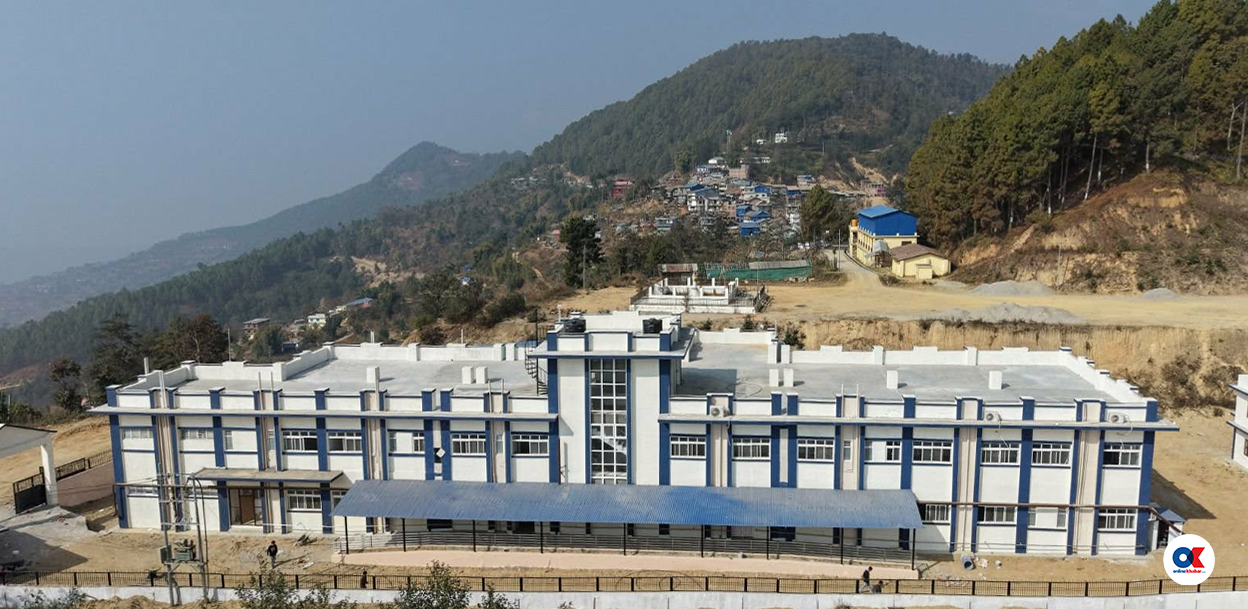
Currently, 12 health workers including a medical officer work on contract at the operational health post, but Basnet said this is insufficient to run a 15-bed hospital. “Without staff and equipment from the higher levels of government, we cannot expand services beyond basic care,” he said.
The Ministry of Health estimates the total cost of constructing the 659 basic hospitals at NPR 9.8 billion. Senior officials admit that in the rush to demonstrate progress, plans were made without ensuring staffing and resources, leading to the present situation.
The government has planned that basic hospitals will deliver obstetrics, pediatrics, general surgery, and round-the-clock emergency services. However, these plans cannot be implemented if local governments fail to secure adequate human resources and equipment.
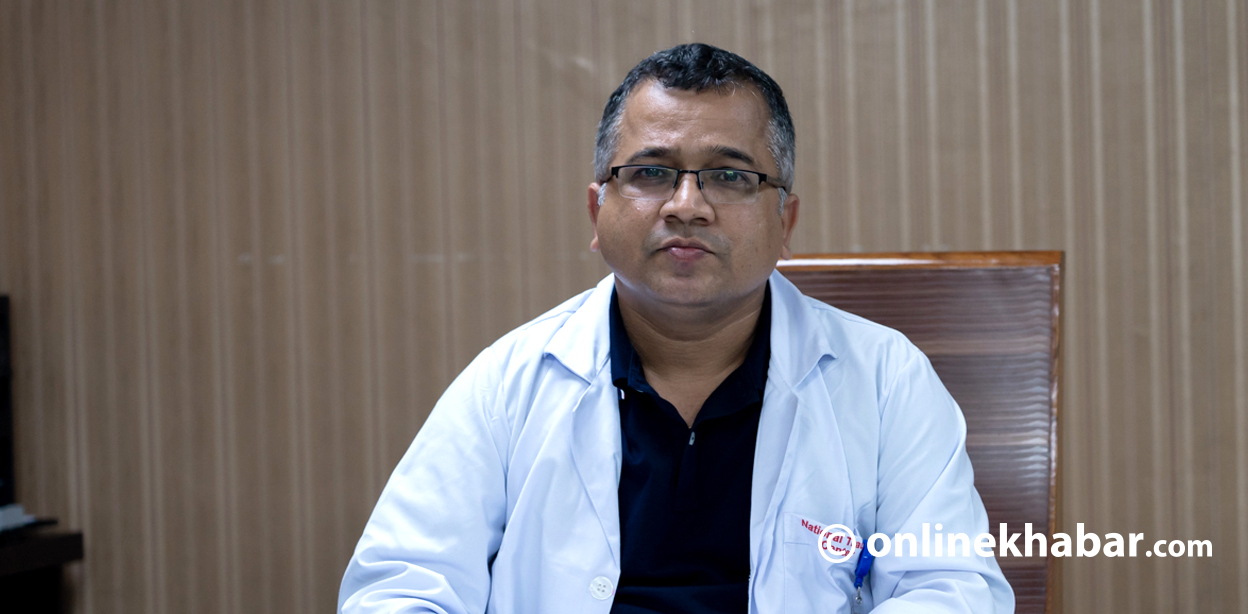
Dr. Badri Rizal, president of the Nepal Medical Association, criticizes the government’s approach, saying it has been ‘building-centric’ without proper human resource planning. “Constructing buildings alone does not make a hospital. Population and needs assessments should have been conducted,” he stated.
Health services expert Dr. Kiranraj Pandey also emphasized the lack of attention to workforce management. “An environment to incentivize health workers must be created, but the government does not even engage in discussions to increase personnel,” he said.
Dr. Rizal further noted that political pressure and election-centered thinking have hindered appropriate staff distribution in hospitals.
Experts suggest consolidating smaller health facilities into centralized centers with sufficient staff and equipment for improved service delivery.
The federal government has already sent proposals to local governments regarding sanctioned posts; local units are expected to arrange personnel, salaries, and benefits as needed.
“Merging two or three small institutions into one well-managed hospital would make services more effective and create a better environment for retaining staff,” Dr. Rizal stated.
The government plans to staff 15-bed basic hospitals with MDGP doctors. However, Nepal Medical Council data shows 585 MDGP doctors are registered, many of whom have migrated abroad.
Public health expert Dr. Sharad Bant agrees that while staffing with MDGP doctors is conceptually sound, there is no practical basis to implement this. Given the services currently offered, the concept faces implementation challenges.
Dr. Rizal also highlights the shortage of MDGP doctors in federal hospitals and says that sending specialists to all basic hospitals nationwide is currently unfeasible. A long-term workforce development plan is essential.
Dr. Sameer Adhikari, spokesperson for the Ministry of Health and Food Security, stated that it is the responsibility of local governments to manage the staffing of basic hospitals.
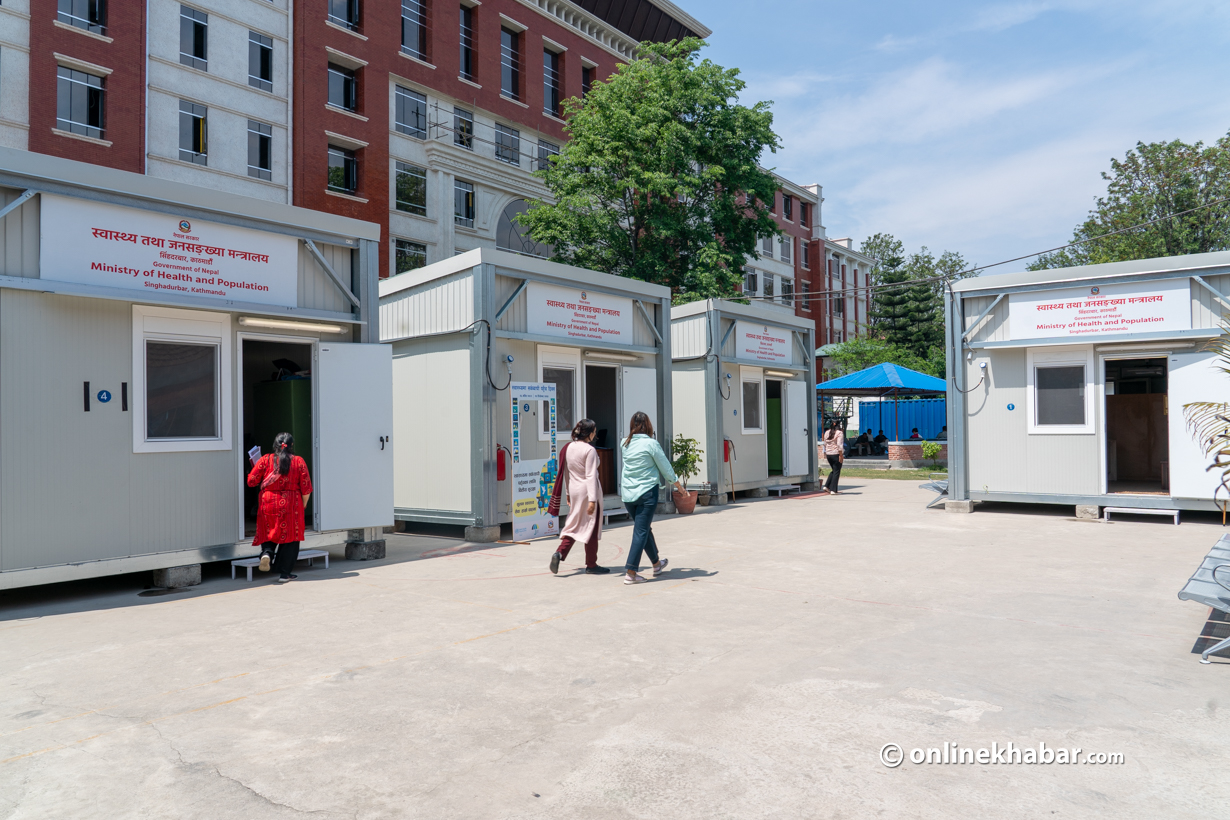
According to Dr. Adhikari, the central government has not formulated policies on staffing for 5, 10, and 15-bed hospitals but has established standards and infrastructure. Staffing must be managed by local governments using their own resources.
Many local bodies have tried to deploy existing staff from old health posts and primary health centers to new hospitals but have been unable to arrange adequate personnel.
List of 99 Completed Basic Hospitals: