
What Is the Lifespan of Political Movements Born out of Impulse?
Summary
- After a Supreme Court judge in India labeled youth as “cockroaches,” young people formed the ‘Cockroach People’s Party’ and gained significant traction on social media.
- Within days of its formation, this group amassed millions of followers, surpassing even the online presence of India’s ruling Bharatiya Janata Party (BJP).
- However, skepticism remains about whether this digital wave can evolve into a sustained political force.
11 Jestha, Kathmandu – In India, a newly emerged political movement arose after a Supreme Court judge referred to young people as “cockroaches.” Chief Justice Suryakant’s remark sparked discontent among youth, who ironically embraced the term to establish the “Cockroach People’s Party” (CPP).
In just a few days, this group gathered millions of supporters on social media, even overtaking the online presence of the ruling Bharatiya Janata Party (BJP).
Nevertheless, the critical question remains whether this online political surge can transform into a long-lasting political power. Over the past two decades globally, political entities born from such impulses often have brief life spans.
Movements fueled by immediate anger and protest typically dissolve within a few years due to a lack of grounded political agendas, philosophy, and visionary goals.
Abhijit Deepke, founder of CPP, has explained that the party’s formation was not premeditated but grew organically from youth frustration over unemployment and lack of opportunities.
The party’s digital manifesto includes satirical demands such as banning government posts for retired judges, guaranteeing 50% reservation for women in parliament, and revoking permits of large corporate media outlets.
According to the Carnegie Endowment for International Peace’s Global Protest Tracker, more than 700 anti-government protests have occurred in over 147 countries since 2017; however, only 18% lasted longer than three months.
While many protests have morphed into political parties, their long-term success and endurance remain limited.
A Cambridge University study highlighted that structural differences between social movements and political parties often lead to internal conflicts within these movements.
India: Aam Aadmi Party and Arvind Kejriwal
The Aam Aadmi Party (AAP), formed in 2012 after the 2011 anti-corruption movement, serves as a notable example. Emerging from Anna Hazare’s India Against Corruption campaign, Arvind Kejriwal led AAP to victory in the 2013 Delhi Assembly elections, becoming Chief Minister.
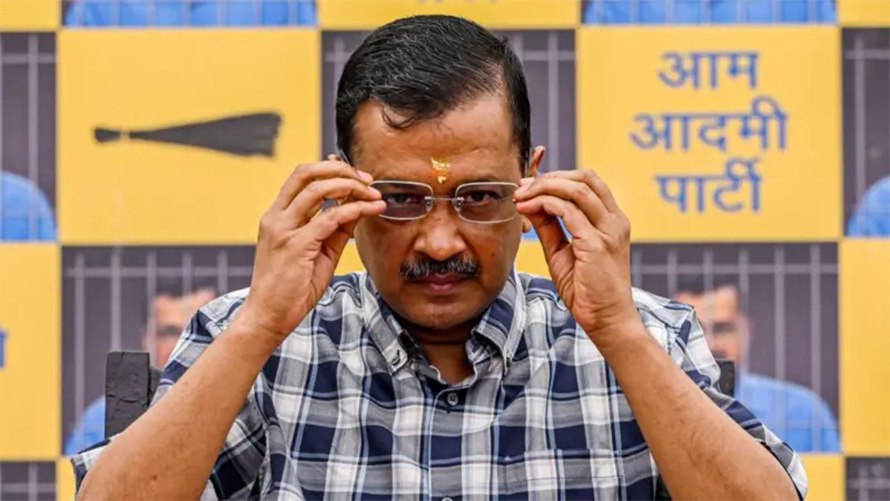
Although AAP won four seats in the 2014 national elections, its presence was limited to three seats in 2019, remaining weak at the national level despite governing Delhi three times.
Italy: Beppe Grillo’s Five Star Movement
In Italy, comedian Beppe Grillo founded the Five Star Movement out of popular anger, entering mainstream politics. Though it unexpectedly garnered 25% of votes in 2013, the party has since struggled with internal strife and identity crises. In 2024, it formally severed ties with Grillo, illustrating its transformation challenges from a protest movement to a traditional leftist party.
Uganda: Bobby Wine’s People Power
Ugandan singer Bobby Wine’s People Power movement, formed in 2017, initially attracted many young followers and later evolved into the National Unity Platform. However, after nearly a decade, its political influence waned amid internal disillusionment and eventual absorption into traditional party structures.
Bangladesh: National Citizens Party from Student Movement
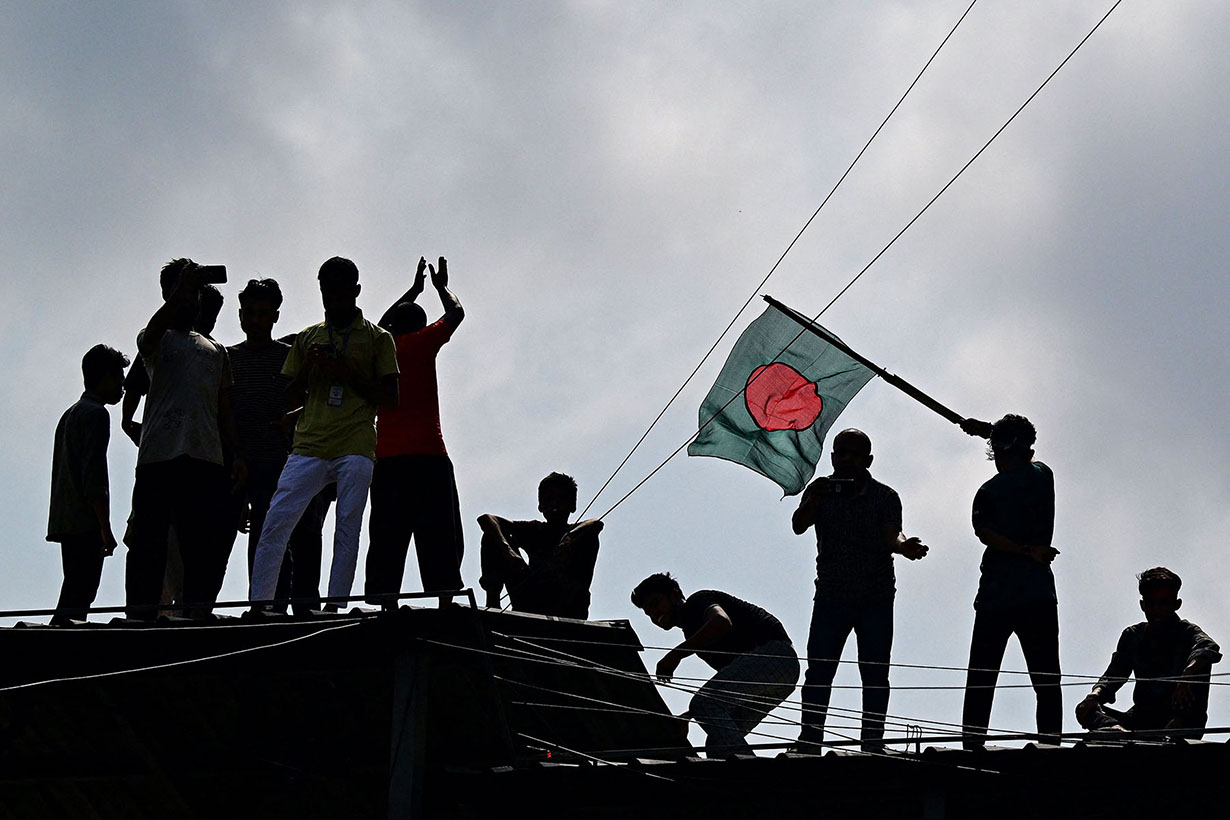
The National Citizens Party (NCP) of Bangladesh arose from student protests and played a key role in the July 2024 demonstrations that pressured Prime Minister Sheikh Hasina’s administration. Post-resignation, it transitioned into a formal political party but faces ongoing challenges due to weak organization and resource shortages. Deep divisions exist between the student activists and party leadership, with the NCP securing only six seats in the latest parliamentary elections.
Spain: Podemos’ Rise and Fall
The Podemos party emerged from the 2011 Los Indignados movement, gaining unexpected third place in the 2015 general elections. However, entering mainstream power diluted its radical identity. Former leader Pablo Iglesias attributed this to organizational weaknesses rather than a loss of leftist ideology.
Political experts agree that such movements struggle to endure long-term due to several key reasons:
- Protest fatigue or burnout as members tire from sustained activism.
- Ideological emptiness, where temporary anger replaces solid political philosophy.
- Organizational conflicts arising as movements transition into formal parties.
The recently formed Cockroach People’s Party in India faces similar challenges, prompting debate on whether it can chart a different course.
These movements generally yield three outcomes: becoming platforms for lasting reforms, fading away without legacy, or inviting government repression.
In Nepal: Attempts at alternative politics distinct from traditional parties have surfaced, from Bibeksheel parties to Naya Shakti and Bibeksheel Sajha. However, these efforts have struggled to build cohesive citizen-based movements.
The deaths of leaders like Ujwal Thapa and the withdrawal of figures like Ravindra Mishra weakened these currents, while Baburam Bhattarai’s New Force alliance with old parties limited its impact.
Meanwhile, independent candidates’ successes have led to the Rashtriya Swatantra Party (RSWP) holding nearly two-thirds majority governments. Kathmandu Mayor Balendra Shah (Balen), now affiliated with RSWP, has become Prime Minister, and Dharan Mayor Harka Sampang established the Labour Culture Party, rising as a national leader.
What Lies Ahead for the Cockroach People’s Party?
Despite its social media popularity, CPP faces significant challenges converting virtual likes and followers into actual electoral votes. Bangladesh’s NCP experience illustrates this difficulty.
Founder Abhijit Deepke asserts the current political climate is ripe for change, unlike five years ago when opposition to the Modi government was limited.
Yet, political analysts caution that impulse-born movements often have limited long-term impact. While protests raise awareness, weak organizational frameworks and unclear ideology hinder sustainable transformation.
Carnegie studies show that most anti-government protests from 2017 to 2024 did not yield lasting political effects.
Such movements typically have short lifespans; enduring political success requires clear ideas, visionary leadership, and organizational strength—the very areas the Cockroach People’s Party must focus on moving forward.