
PM’s Controversial Remarks Spark Debate Over Border Encroachment Issues
News Summary
Prepared after review.
- Prime Minister Balendra Shah’s statement in parliament claiming Nepal had encroached on Indian land has sparked controversy.
- Border experts and political leaders have refuted the PM’s claim as baseless and raised objections.
- Involving England in the Nepal-India border dispute resolution has faced diplomatic criticism.
June 30, Kathmandu – Amid repeated questions from opposition parties accusing him of being unaccountable to parliament, Prime Minister Balendra Shah appeared at the House of Representatives rostrum on Sunday.
During a session addressing questions not strictly related to House rules, the Prime Minister made light remarks on the sensitive Nepal-India border issue, stating that Nepal had also encroached on Indian territory—an assertion that sharply contrasts with statements from former Nepali prime ministers.
According to border specialists and foreign affairs experts, it is surprising for a head of government to publicly admit to infringing upon another country’s land. This statement, made shortly before Rasuwa Pradesh Assembly Chairman Ravi Lamichhane’s visit to India, became a point of contention within parliament.
Let us explore the context and implications of the Prime Minister’s remarks.
In parliament, when UML MP Padma Aryal questioned the government about actions concerning Limpiyadhura-Lipulekh, the Prime Minister mentioned that discussions to resolve issues involved not only India and China but also England. He stated:
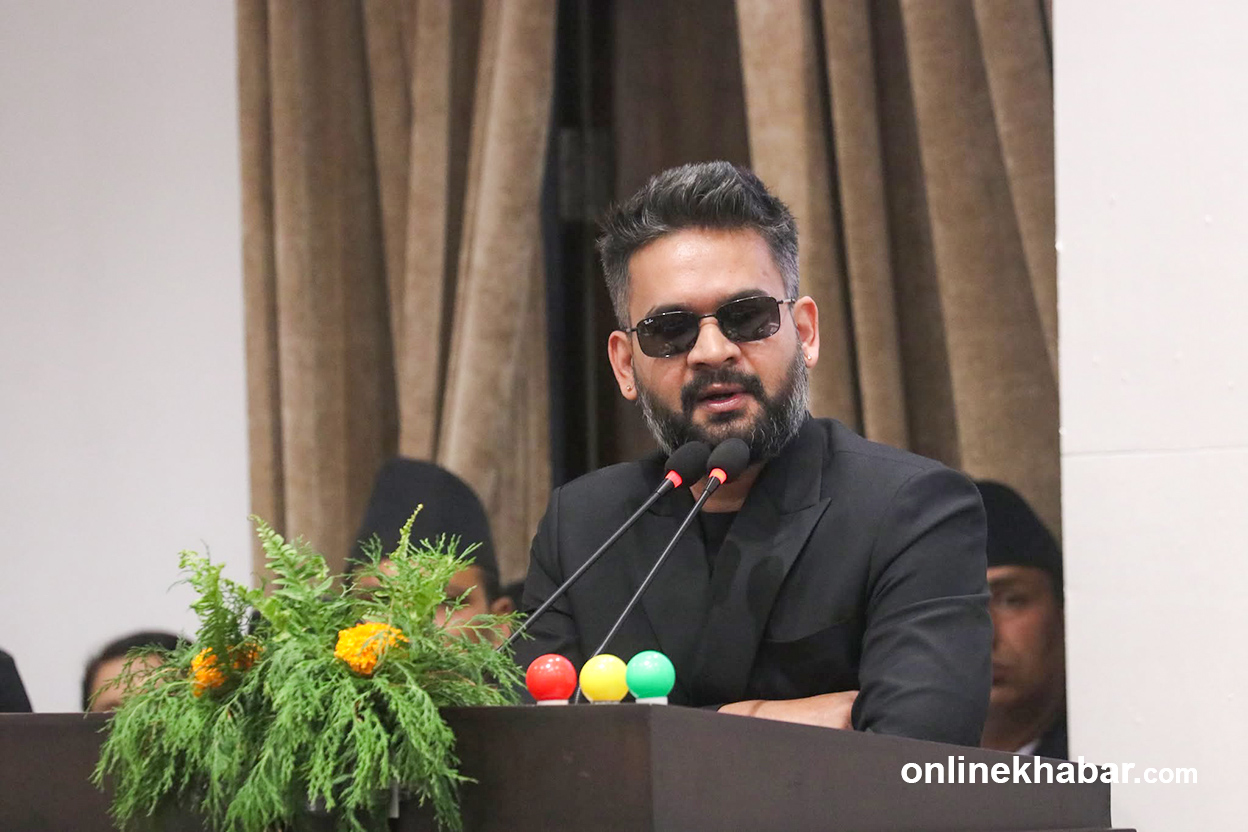
“Both governments have had historians and surveyors engage in table talks to find solutions. In this regard, we have engaged not only with India and China but also with the British government. Since problems date back to the time when British India was in charge, we believe England has a stake in this matter. All of this will be resolved diplomatically through table talks.”
Later, during a similar question by Labor Culture Party MP Aren Rai regarding Limpiyadhura-Lipulekh, the Prime Minister remarked that Nepal had also encroached on Indian territory.
He said, “You might find it surprising, but I only understood after becoming Prime Minister that not only has India encroached but Nepal also has encroached on Indian land in many places. Currently, both countries are studying whether we have encroached or they have, and we are ready to sit as friends to find a solution.”
These statements raise two critical questions:
First: Has Nepal actually encroached upon India’s border?
Second: Is England’s involvement necessary as a third party in resolving the border dispute?
Has Nepal encroached on Indian territory?
Following widespread criticism, the Ministry of Foreign Affairs clarified that the Prime Minister’s comment related to cross-border land occupation rather than formal encroachment.
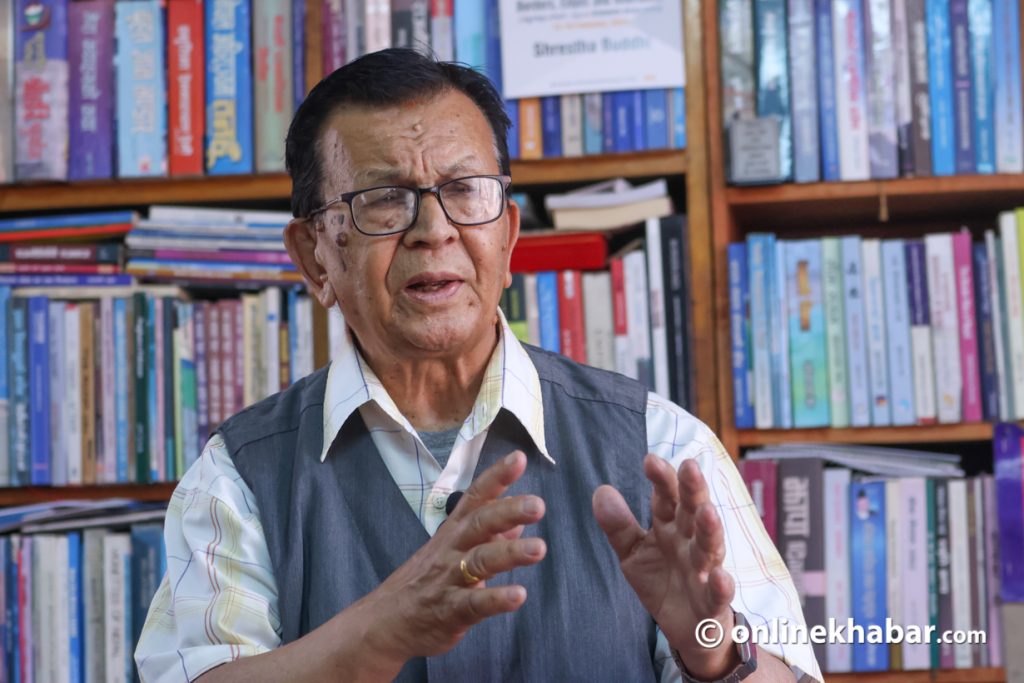
Border expert Buddhi Narayan Shrestha commented, “Nepal has not encroached upon Indian territory. Most border demarcation work has been completed. Some issues arise where rivers have changed course, leading to cross-holding occupation—which means use of land across the border—but it is not encroachment.”
Former Ambassador Neelambar Acharya added, “India denies Nepalese entry into some border areas by stationing its forces there, but Nepal has never stationed its forces on Indian soil. Had Nepal encroached, India would have responded similarly.”
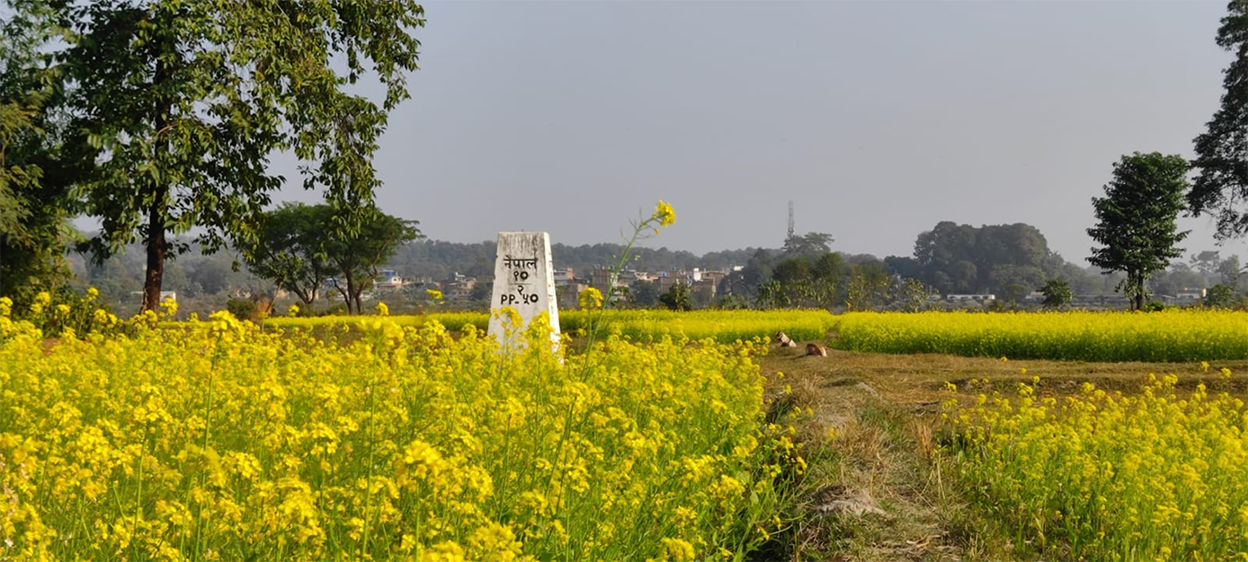
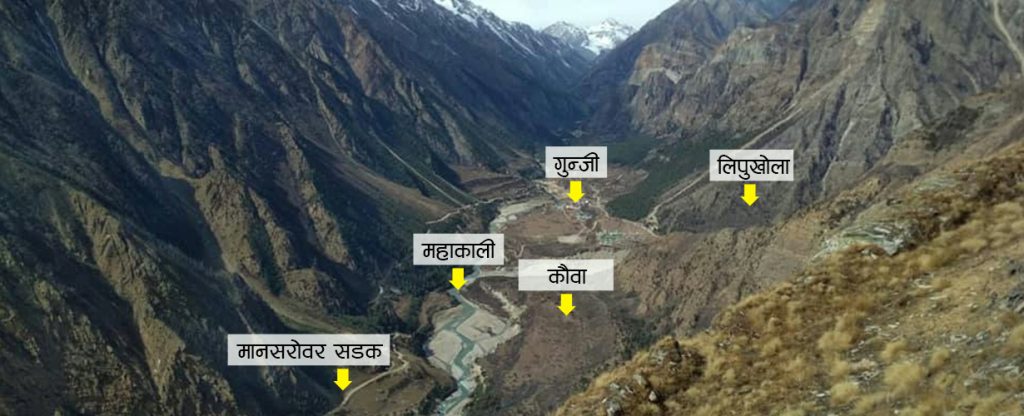
Experts have noted that open borders have sometimes caused disputes. Nepal shares borders with India across 26 districts, with 72 disputed locations. The most sensitive disputes involve the Limpiyadhura-Kalapani and Susta areas.
Sharma has written, “Nepal has not gained any compensation by encroaching on Indian land; however, India has constructed dams and other infrastructure on Nepalese territory, causing flooding and habitation problems.”
EPG member Dr. Rajan Bhattarai has remarked, “A bilateral team was established in 2016 to address border issues but the problem is becoming more complex. The Prime Minister’s remarks were inappropriate for such a sensitive topic.”
Why was England’s name mentioned in the border dispute?
The Prime Minister suggested that a tripartite mediation is needed in the border dispute. However, former Foreign Minister Narayan Kaji Shrestha commented, “This issue is between two countries. It is not appropriate to involve a third party until bilateral solutions fail.”
Nepal has not formally requested the British government’s involvement regarding the border dispute. The Treaty of Sugauli was signed in 1816 with British India, not contemporary independent India.
Border expert Shrestha emphasized that bilateral talks must precede any involvement of a third party mediator, only if these fail should mediation be considered.
Prime Minister Balendra Shah’s experience as mayor and this ongoing controversy appear connected. During his mayoral tenure, after India agreed to trade through Nepalese territory, he displayed a Greater Nepal map at the metropolitan office.