
US Imposes Toughest Sanctions Yet on Iran, Impacting Multiple Countries
News Summary
Reviewed editorially.
- The US has launched ‘Operation Economic Isolation’ imposing new sanctions targeting Iran’s digital assets, technology, gold, aviation, and shipping sectors.
- Sanctions have been placed on nearly 60 individuals, companies, and vessels, increasing pressure on foreign banks, companies, and intermediaries working with Iran.
- Iran’s oil exports, foreign trade, and currency have been severely impacted by war and sanctions, with inflation reaching 66% in July, according to official figures.
September 24, Kathmandu — The US administration under President Donald Trump has initiated a new campaign to intensify economic pressure on Iran. US Treasury Secretary Scott Bessent described this move as ‘unprecedented,’ emphasizing its primary goal of ‘cutting off Iran’s economic pathways abroad.’
As part of this campaign, the US has tightened its economic sanctions against Iran, adding dozens of individuals, companies, and vessels to the sanction list.
The US also aims to ramp up pressure on foreign banks, companies, and intermediaries still doing business with Iran. This includes setting deadlines to halt certain activities viewed as supporting Iran’s trade and revenue.
Termed ‘Operation Economic Isolation,’ the policy seeks to isolate any country engaged in commerce with Iran.
This initiative comes amid an extremely fragile cease-fire between the two countries. Months of military conflict have taken a severe toll on Iran’s economy, disrupting oil exports and foreign trade, triggering soaring inflation, and depreciating the national currency.
In remarks, Secretary Bessent stated this campaign forms part of broader military pressure on Iran, with the US Armed Forces having ‘laid the groundwork’ for it.
For years, the US has imposed various sanctions on Iran’s shipping, gold trade, and aviation sectors. The latest measures not only introduce new targeted areas but also tighten existing sanctions and impose stricter regulations on individuals and entities working with Iran abroad.
What are the announced sanctions?
The biggest changes affect five sectors: digital assets, technology, gold, aviation, and shipping (vessels).
The US Treasury’s Office of Foreign Assets Control (OFAC) has formally included these five sectors in the list of Iranian economic domains subject to sanctions under the 2023 executive order.
This executive order was initially issued by Donald Trump in January 2020 during his first term. Originally, it covered Iran’s manufacturing, mining, production, and textile sectors. Subsequently, the Treasury was authorized to expand the list of sectors under sanctions.
In the same year, the financial sector was added, followed by oil and petrochemicals in 2024. According to the Treasury, including these five new sectors broadens the range of Iran-related activities subject to ‘secondary sanctions.’
The OFAC can impose sanctions on any individuals residing in any country involved in activities linked to the Iranian economy within these sectors.
According to the US government, the decision will target foreign entities engaged in any form of business with Iran within these sectors. The Treasury Department states that Iran uses digital assets to transfer money and evade sanctions.
Iran also seeks to acquire advanced technology for its weapons program, relies on gold to safeguard assets amid Rial depreciation, and utilizes aviation and shipping networks for equipment, funds, and oil export.
As part of this campaign, the US has sanctioned roughly 60 individuals, companies, and vessels. OFAC reports some of these are involved in supplying equipment for Iran’s missile and nuclear programs, others in cyber operations, and some in transferring revenues from oil exports. Sanctioned entities represent multiple countries with varying grounds for inclusion.
Restrictions on Previously Allowed Exemptions
A major change in the new sanctions package is the suspension of many activities previously permitted under OFAC’s general licenses, despite comprehensive sanctions on Iran.
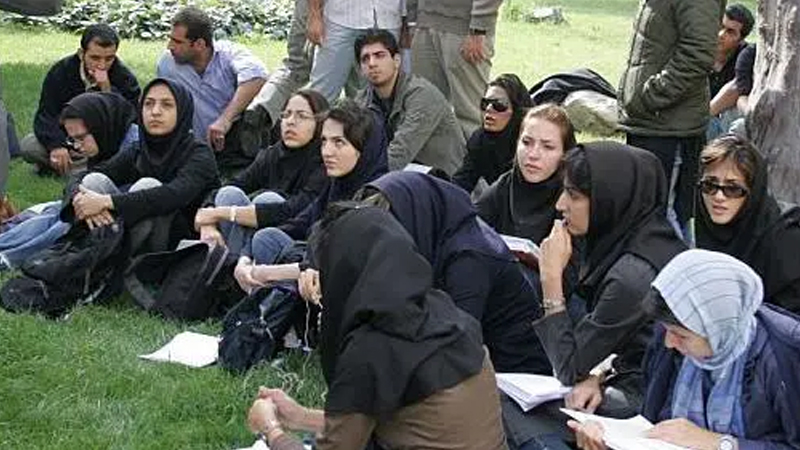
Previously, Iranian students studying abroad had various exemptions. Prestigious US universities could establish undergraduate and postgraduate ‘student exchange’ agreements with Iranian universities, including offering scholarships to Iranian students in the US.
Certain enrollment and tuition-related services, some online courses, non-commercial educational and research activities, and some academic and professional examinations under conditions were permitted.
However, with the suspension of this license, these activities will no longer enjoy general license benefits. Separate applications will be required for any such activities. Additionally, a license related to sports, effective since 2013, has been suspended indefinitely.
This included permissions for professional and amateur sports competitions and exchange programs between Iran and the US, covering competitions, exhibitions, athlete sponsorships, coaching, refereeing, and sports education.
Countries Impacted by the Sanctions
Recent US officials’ comments suggest that China is the primary target of this economic pressure. In recent years, China has been the largest buyer of Iranian oil. Through these new sanctions, the US seeks to halt or reduce trade between Iran and China.
According to Reuters, over 80% of Iran’s oil exports via sea routes are destined for China. Much of this is purchased by small independent refineries, especially in Shandong province.
Following the reimposition of sanctions, large Chinese state-owned companies have significantly curtailed direct purchases of Iranian oil, though independent refiners still buy cheaper Iranian oil.
Pressure on this trade existed even before the new sanctions package. The US imposed multiple sanctions on shipping companies, refineries, and intermediaries it accuses of helping China import Iranian oil.
Energy analysis firm Kpler estimates that in August, Iran’s oil exports to China were approximately 534,000 barrels per day, down from about 823,000 barrels per day in July. Earlier this year, it had reached about 1.58 million barrels per day.
Alongside China, the United Arab Emirates (UAE) has been a crucial hub in Iran’s foreign trade network. For years, Dubai has served as a key transit point for re-exports, money transfers, and business activity for Iranian companies and merchants.
However, this route is now obstructed. On August 18, the Emirates halted all trade and financial transactions with Iran, accusing Tehran of missile attacks within its territory.
Turkey and Iraq have also surfaced in various reports. Turkey remains a trade partner and one of the alternative transit routes for goods and payments.
Following the UAE’s closure of trade routes, some Indian exporters have expressed intentions to conduct trade with Iran through Turkey.
Iraq has long been among Iran’s most important regional markets, especially for gas, electricity, and non-oil goods. As US pressure intensifies, banks, shipping firms, and intermediaries in third countries may become targets, potentially affecting Iran’s regional trade channels beyond China.
Upon announcing the new sanctions package, the US Treasury Secretary indicated that teams from the Treasury, State Department, and US military are engaging with other governments. Washington plans to give each country deadlines to cease designated activities.
He warned that entities continuing to assist Iran in ‘hiding money’ would face US sanctions.

Iran’s Economy in Dire Straits
Data and reports indicate that the recent conflict has placed unprecedented strain on Iran’s financial and economic systems. The International Monetary Fund (IMF) warned in a July assessment that Iran’s economy would face severe challenges in 2026.
Internal conditions in Iran have deteriorated significantly, as reflected in statistics and reports tied to everyday life.
According to Iranian government data, the annual inflation rate reached 66% in July 2026. Food prices increased nearly 128% compared to July of the previous year.
Concurrently, declining purchasing power among families and disruptions in industrial and commercial activities have heightened officials’ concerns about the social impact if conditions persist.
Declining oil exports have curtailed Iran’s primary source of foreign currency. Obstacles in shipping, maritime restrictions, and pressure on intermediary networks have made it increasingly difficult to sell and transport Iranian oil.