
Gorakhkali Rubber Industry Poised for Revival with Three Proposed Operational Options
News Summary
Editorially Reviewed.
- The Ministry of Finance has initiated asset and liability evaluation processes for seven public enterprises in critical condition, submitting the Due Diligence Assessment (DDA) report of Gorakhkali Rubber Industry to Finance Minister Dr. Swarnim Wagle.
- The report proposes three options for restructuring and resuming operations at Gorakhkali Rubber Industry, prominently suggesting plant replacement and operation through new investors.
- Gorakhkali Rubber Industry has an annual production capacity of 80,000 truck tires and 40,000 non-truck tires, with strong market potential for tires within Nepal, according to the report.
March 31, Kathmandu – There is renewed potential for reopening the long-closed public enterprise, Gorakhkali Rubber Industry.
Since last year, the Ministry of Finance has been conducting asset and liability assessments for seven ailing and non-operational public enterprises.
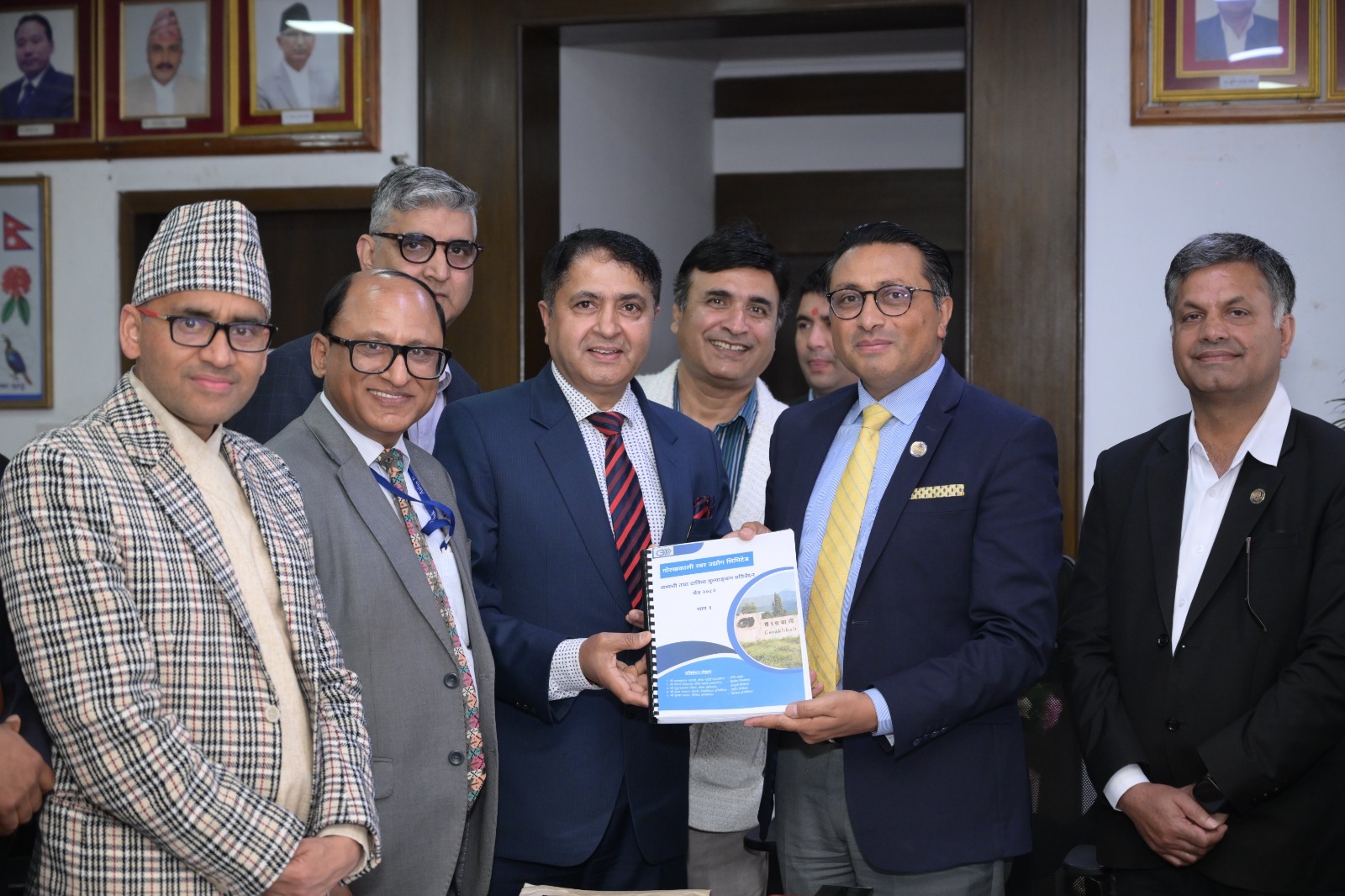
Within this framework, the Asian Development Bank (ADB) prepared the Due Diligence Assessment (DDA) report for Gorakhkali Rubber Industry and presented it to Finance Minister Dr. Swarnim Wagle.
The report indicates that it is feasible to resume tire production using the current plant facilities.
The Ministry of Finance spokesperson, Tanka Prasad Pandey, confirmed that ADB submitted the report to the minister on Tuesday. The industry has been closed for over a decade.
The report, led by Chartered Accountant Krishna Bhattarai, proposes three operational modalities. According to senior ministry sources, the recommendation favors restructuring the industry for renewed operation.
The recommended options include repaying debts, restructuring or converting debt into shares, increasing capital through new investors (domestic, foreign, or strategic partners), and replacing the current plant with a modern radial technology plant for resuming operations.
The report’s primary suggestion is to immediately restart production with the existing plant while planning to replace the old plant and machinery with new technology, and operate the industry in partnership with private or strategic foreign investors.
The second option acknowledges the challenges of full modernization due to the large capital required and the obsolescence of plant and machinery. It suggests monetizing unused land and buildings under the company’s name through leasing to generate income.
Another alternative proposed is partial monetization of assets combined with restructuring and operating the industry under a contractual arrangement with investment.
As a third option, if restructuring and contractual operation with investment are not feasible, the report recommends asset liquidation and company dissolution.
In case of liquidation, all physical and intellectual assets of the company would be sold to settle liabilities, leading to company closure. Asset sales based on the DDA would clear all debts.
Gorakhkali Tire Industry is located in Gorkha District’s former Deurali Village Development Committee area (now Gorkha Municipality-13, Majuwa, Deurali). Established with investments from Salt Trading, Nepal Oil Corporation, and ADB, the industry was restructured in fiscal year 1998/99 when ADB’s shares were sold to foreign investors and the government of Nepal invested in equity.
Currently, the government holds the largest share, including preferential shares, while Salt Trading, Nepal Oil Corporation, Nepal Bank Limited, Rastriya Banijya Bank, Rastriya Beema Sansthan, and other public entities also hold shares.
The industry’s annual production capacity stands at 80,000 truck tires and 40,000 non-truck tires. Commercial production began in 1992, producing tires, tubes, flaps, and other rubber products to meet domestic demand.
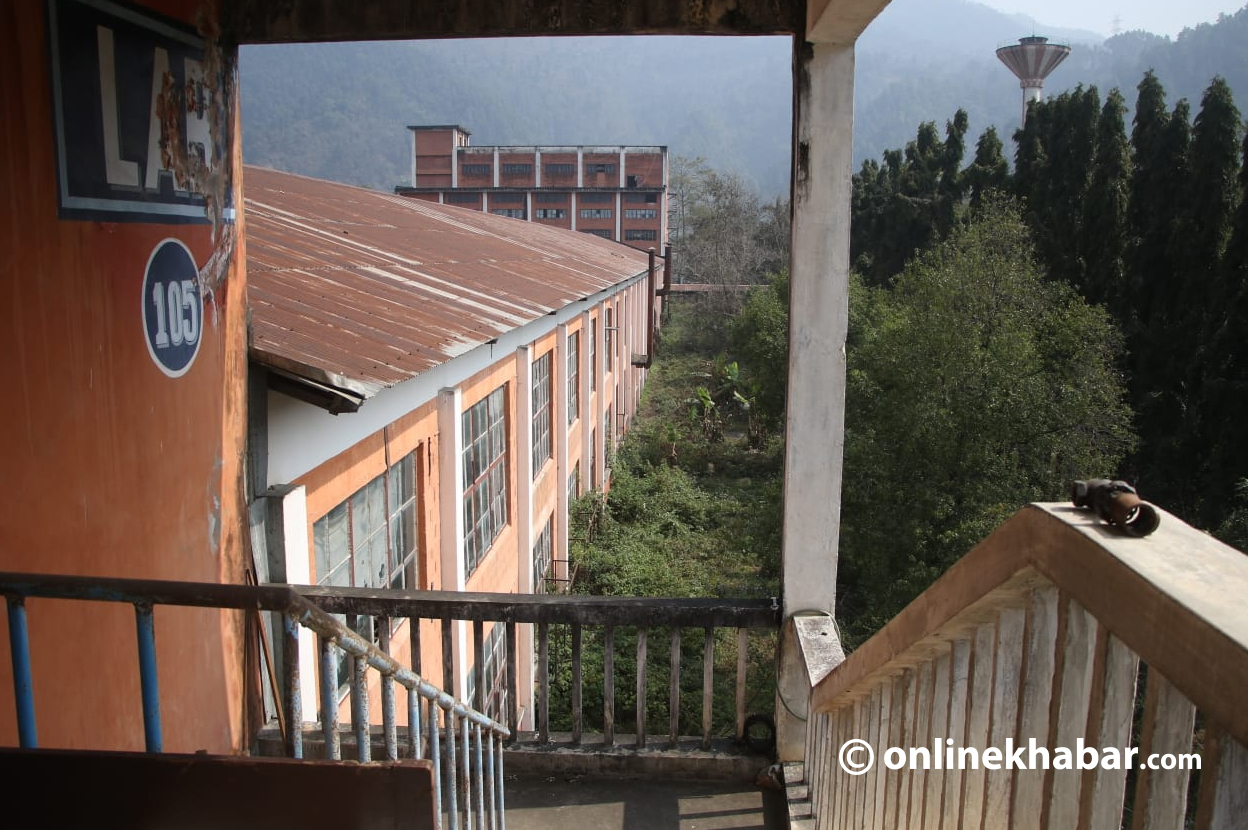
Despite high demand, the factory has never operated at full capacity, incurring losses since inception, facing rising production costs and cash flow issues. It has been completely shut since June 2015.
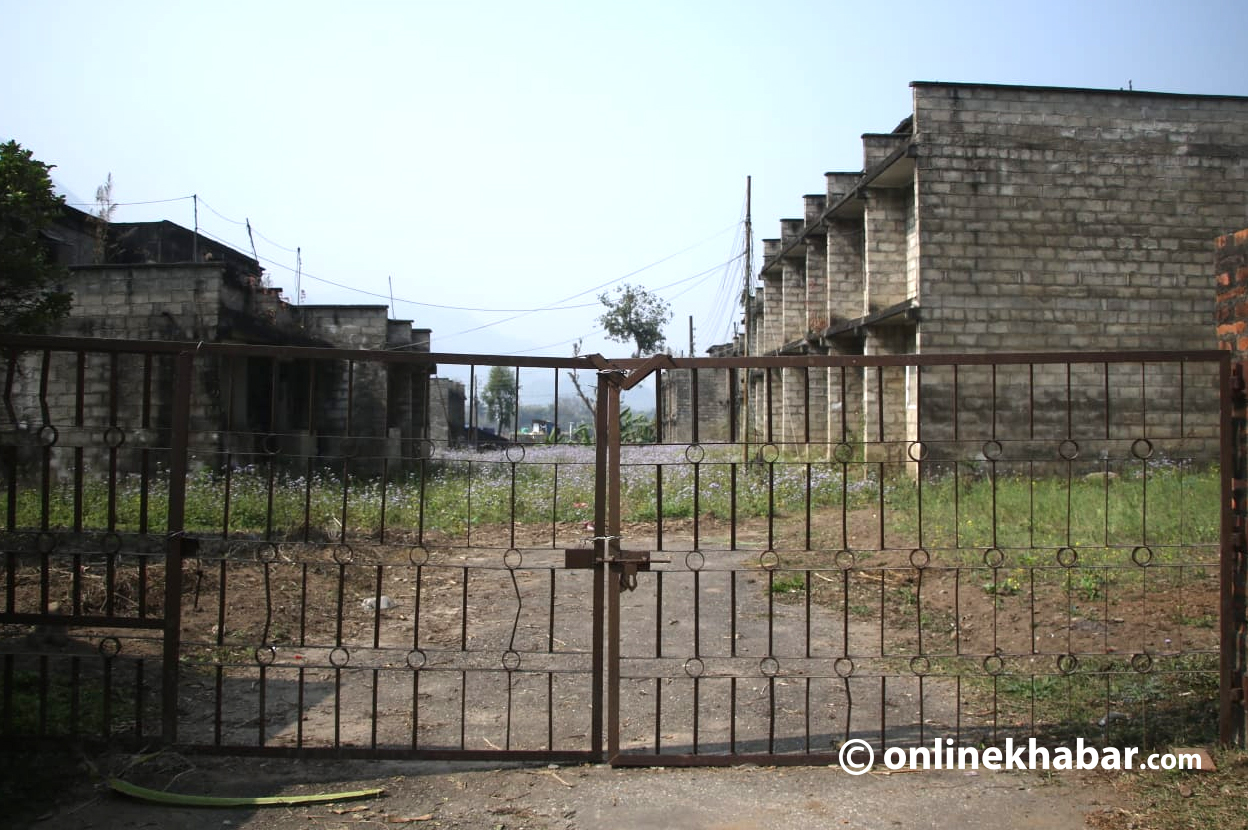
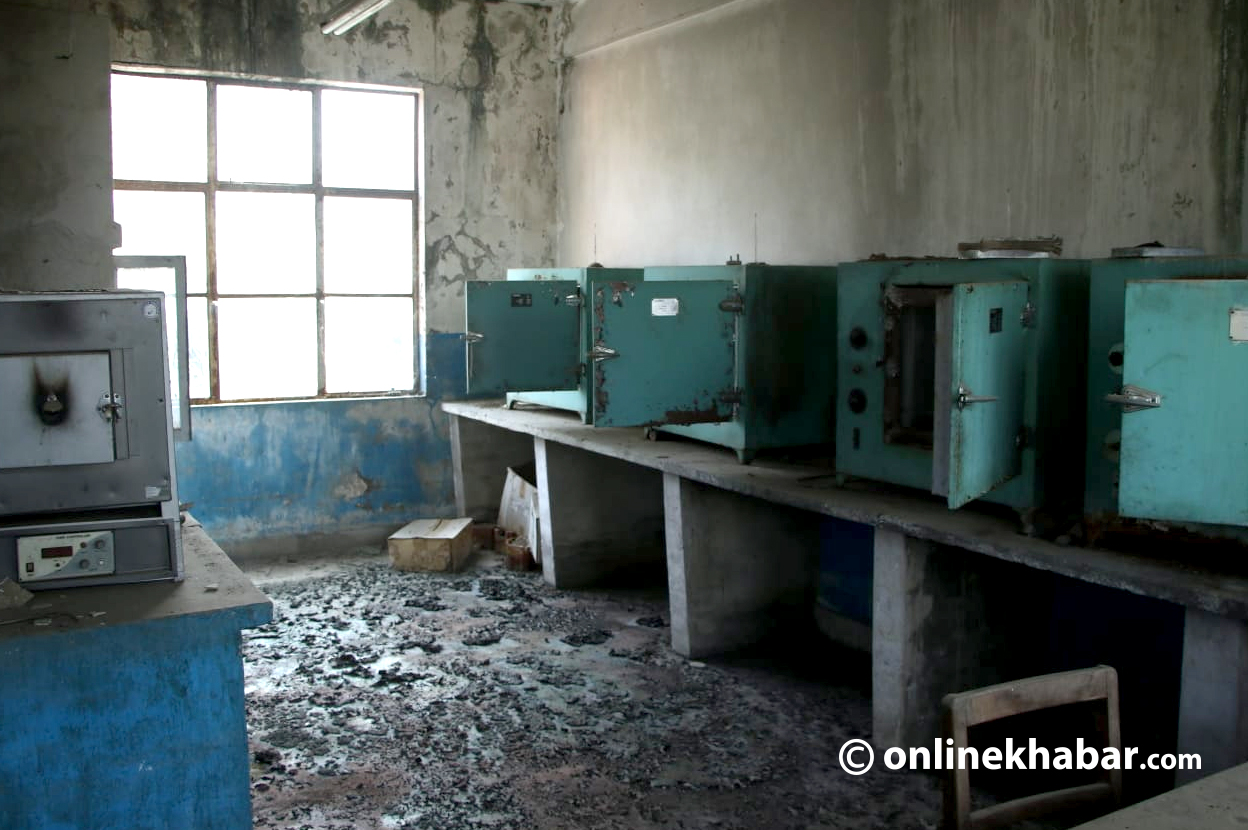
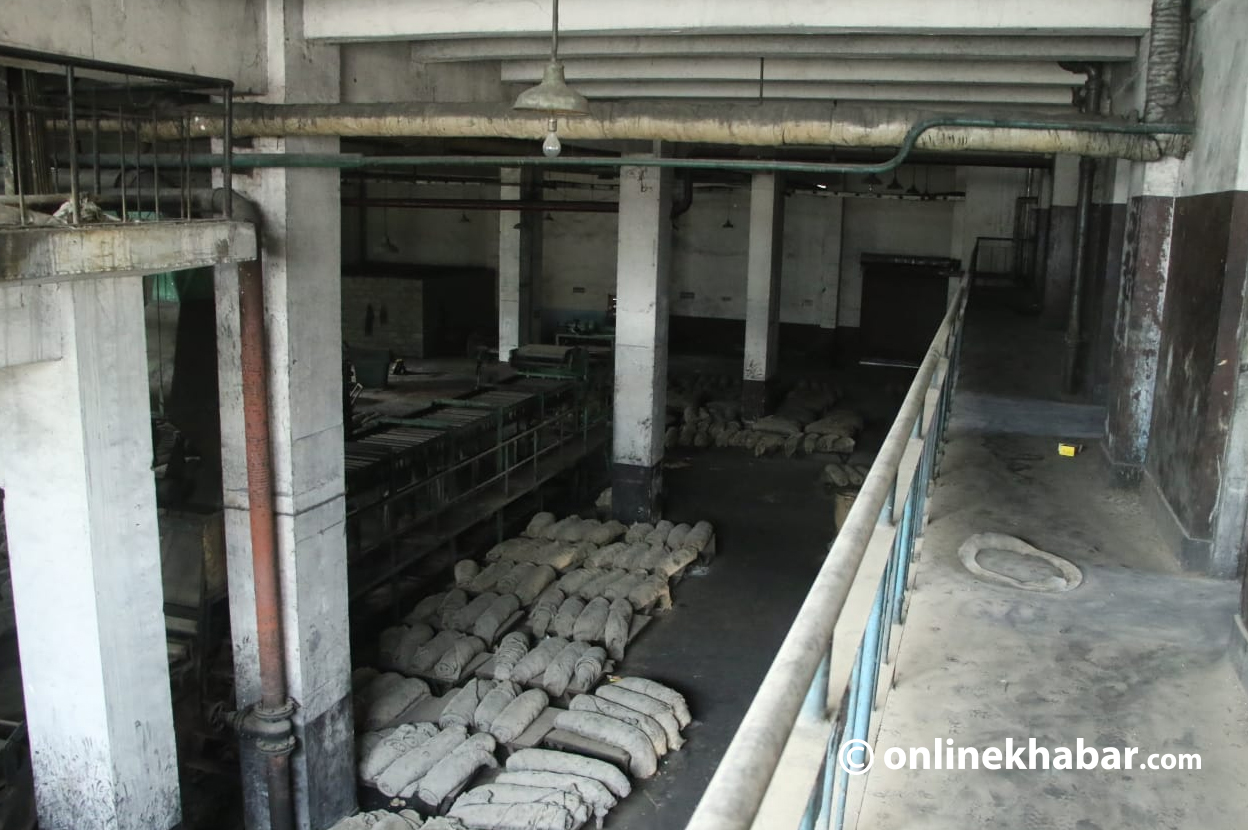
The factory currently lies in ruins
The DDA reveals that the industry faces severe financial distress and significant technical deterioration.
The study shows a net negative asset value of NPR 421 crore. Although the market value of fixed assets has risen somewhat, total liabilities including interest amount to a negative NPR 56 crore.
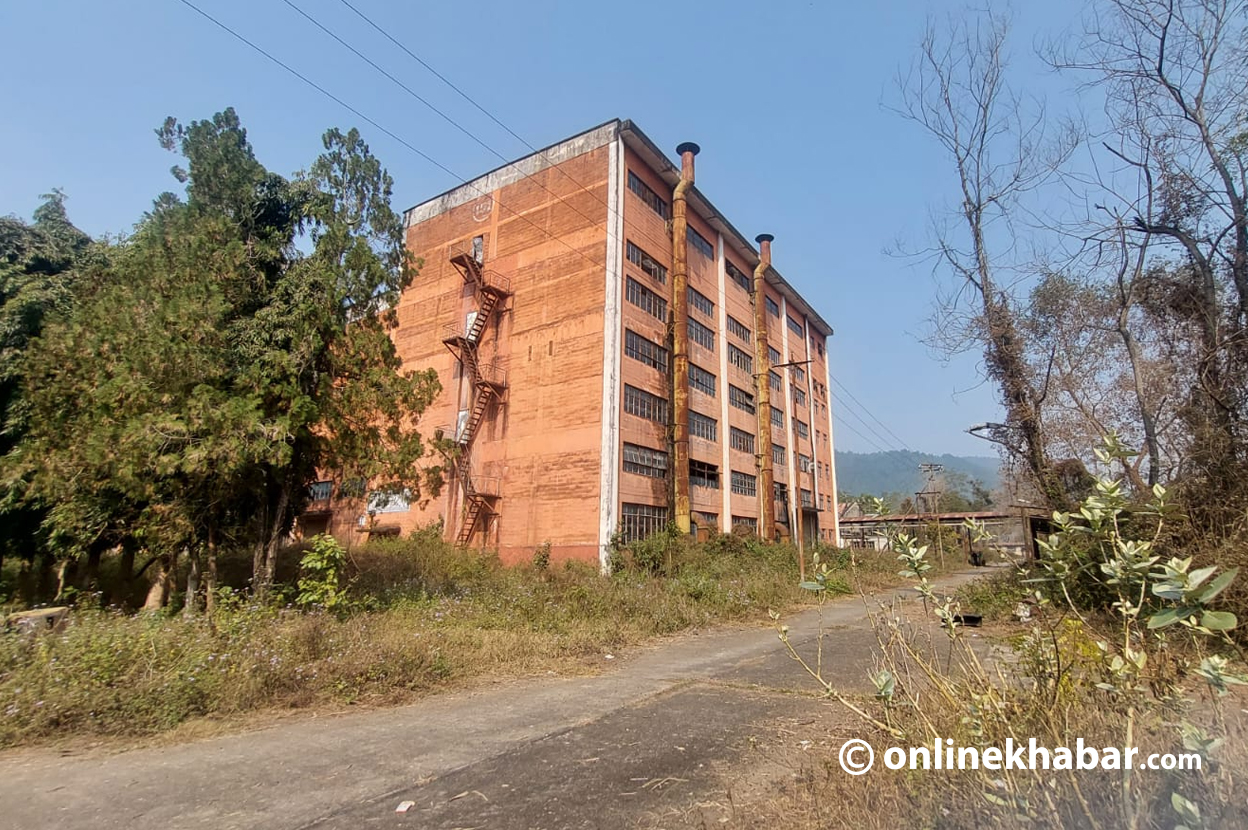
Most building structures remain solid, though some require laboratory testing. Buildings can be repaired and reinforced for use.
Adjusted value of fixed assets is estimated at NPR 377 crore. Current assets are in poor condition, with their sale value reduced by 47%.
Approximately 2,500 khair (Acacia catechu) trees on the industrial premises could generate estimated revenue of about NPR 62 crore.
Brand value, calculated based on replacement cost method, is recorded at NPR 22.26 million.
Total adjusted liabilities amount to NPR 443 crore, largely dominated by government and bank loans. Interest expenses have the most significant impact.
No employee liabilities, zero production and sales costs
The industry has been closed for ten years, resulting in zero production and sales costs. Employees were compulsorily retired, leaving only security staff salaries and minor administrative expenses.
Interest expenses are substantial due to short- and long-term loans from banks and government.
The industry possesses many fixed assets including buildings, plant, machinery, and land. However, equipment, vehicles, and furniture have low market value. Obsolete plant and machinery significantly increase operational and maintenance costs.
Products manufactured were left disorganized in warehouses for over ten years, causing their market value to depreciate.
The government holds a 38.63% direct ownership through common shares and a total ownership of 51.88% including indirect shares.
Partial ownership by institutions amounts to 26.69%, while public shareholders own 21.43%. Only the government holds preferential shares.
Market prospects
The report identifies sufficient market potential for the industry within Nepal. Growth in vehicle numbers, road construction, and agricultural modernization are driving strong demand for tires.
Export possibilities extend to neighboring countries such as India, China, Pakistan, Bangladesh, and Sri Lanka. Demand for radially manufactured tires is increasing in these markets.
Gorakhkali’s tires are produced using Bias technology, which now requires modernization with contemporary radially based production methods.
Raw material status
Natural rubber is the principal raw material for tire production. Nepal produces approximately 1,200 tons of natural rubber annually, covering only about 10% of market demand.
Annual rubber demand in Nepal is estimated to exceed 10,000 tons. To run at full capacity, the industry requires thousands of tons of natural rubber, which must largely be imported.
Nepal has substantial potential for rubber cultivation. Within five years, over 15,000 hectares in Jhapa district municipalities including Mechinagar, Birtamod, Bhadrapur, Arjundhara, Kankai, and Damak can be developed for rubber farming.
Several studies indicate that within ten years, 80,000 to 120,000 hectares of barren, riverbed, and forest-land areas in the Terai and mid-hill regions are suitable for rubber plantations.
Currently, Nepal has about 6 million registered vehicles, including 1.2 million four-wheelers, growing annually by approximately 15%.
In fiscal year 2024/25, around 900,000 tires were imported for buses, trucks, and other four-wheelers. Market growth is estimated at around 10% in value and 8% in volume annually.
These figures affirm a strong market opportunity for tire production within Nepal.