Chandeshwori Jatra Celebration in Banepa Captured in Photos
News Summary
Reviewed.
- Chandeshwori Jatra is celebrated every year in Banepa, Kavre, for three days starting from Chandi Purnima.
- On the first day of the festival, early morning is marked by Mat Puja (Chirag Yatra), with various traditional bands accompanying the lamps to Jaleshwor Mahadev for immersion.
- The festival includes traditions such as communal feasts, chariot pulling, and placing the deity’s idol at various locations for worship by all Newar communities in Banepa.
April 19, Kathmandu – The Chandeshwori Jatra is currently underway in Banepa, Kavre. Local residents celebrate this significant festival every year.
The festival is observed for three days starting from Chandi Purnima across the seven villages of Banepa.
On the first day of the Jatra, early morning sees the observance of Mat Puja (Chirag Yatra).
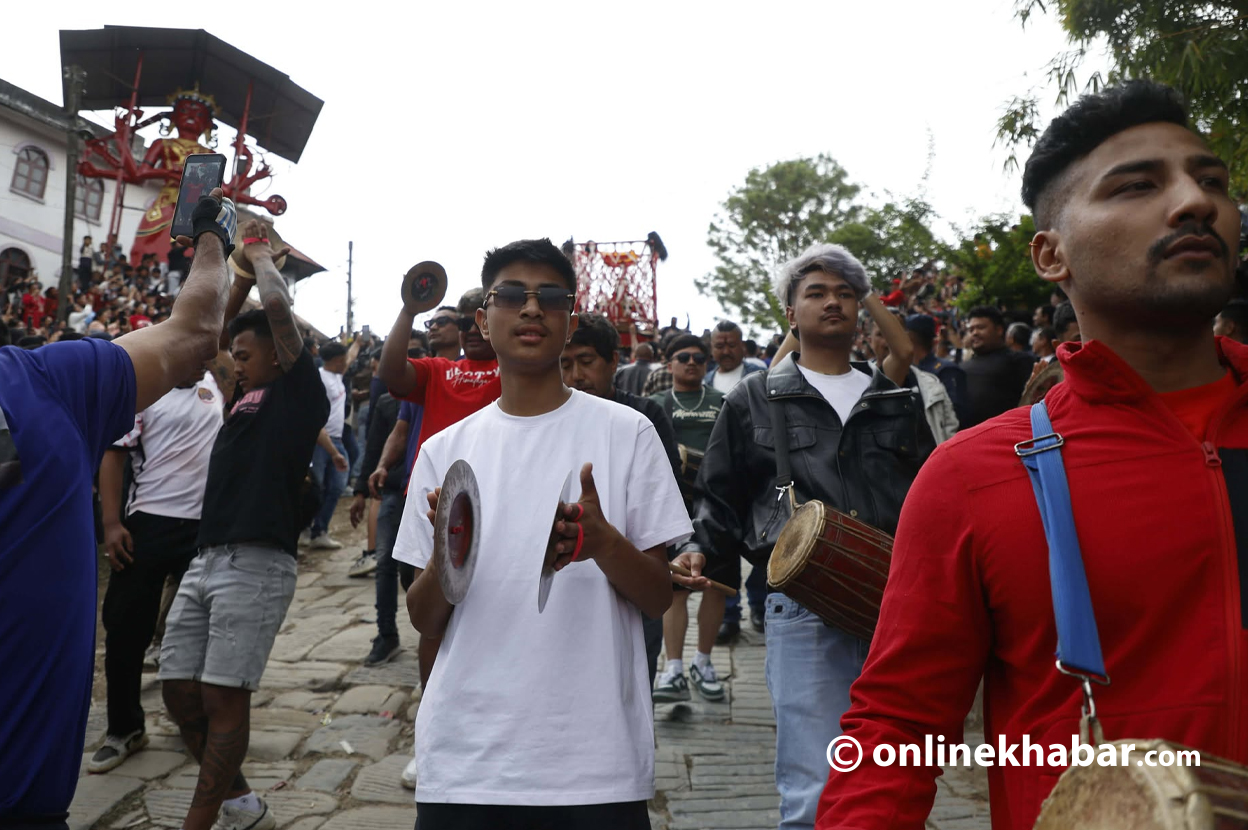
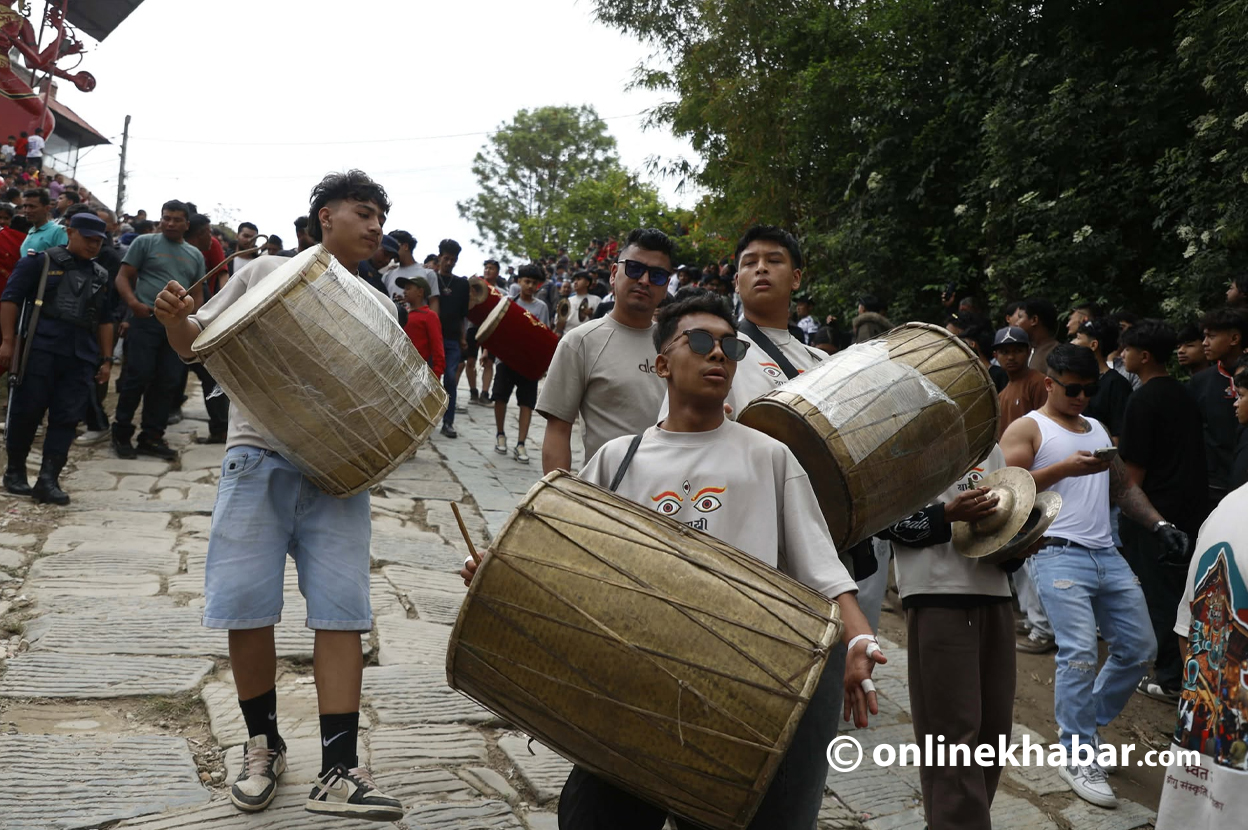
Accompanied by traditional instruments such as Dhime, Naykhin, and Chhushya, participants carry lamps from their homes to gather at Layku in Banepa, then proceed to Jaleshwor Mahadev (Jasiga) for immersion of the lamps.
Following the worship early Friday morning, Banepa residents celebrate the festival grandly over three days. Communal feasts are organized in the households of all Newar communities throughout the Jatra.
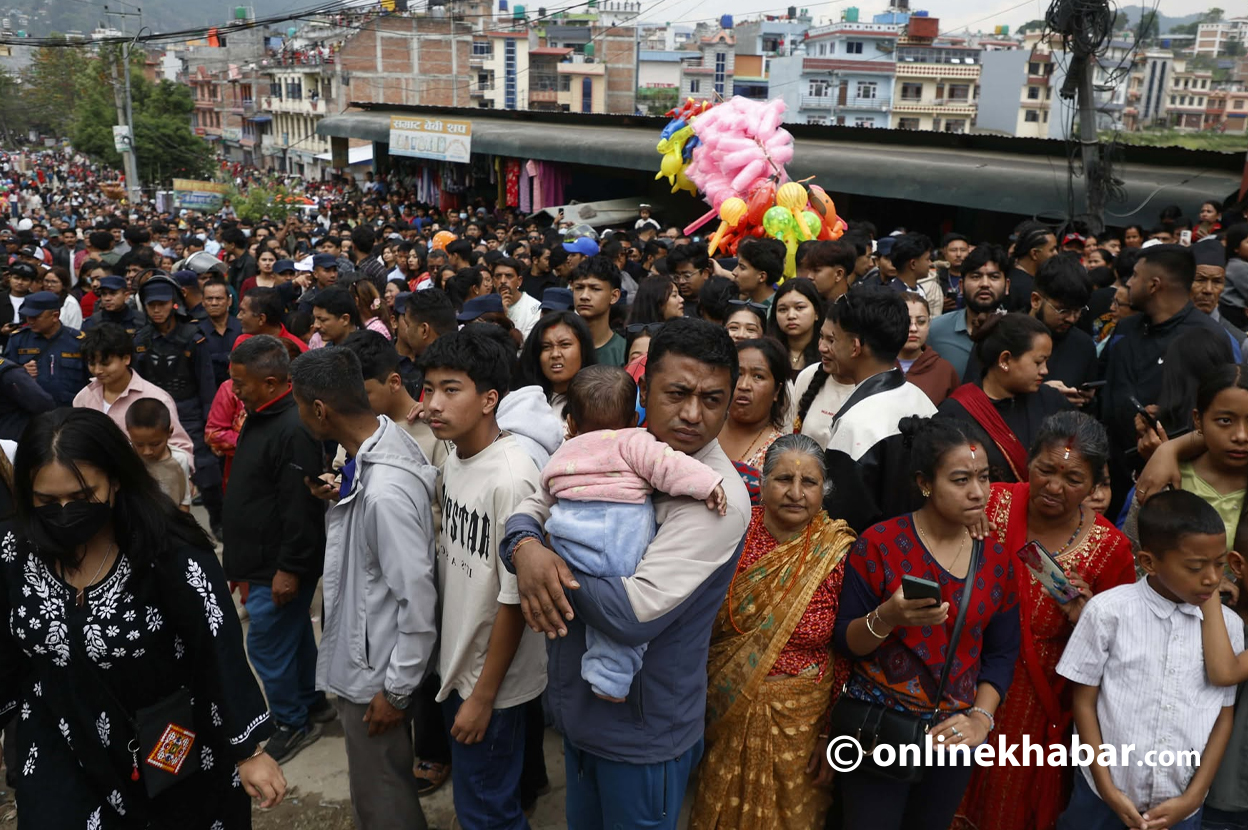
According to the rituals, homes are thoroughly cleaned before the festival. Particularly, the day before Purnima, the sword (Khadga) brought from Hanuman Dhoka is worshiped as part of the Jatra by a government delegation. Elders gather by neighborhoods to sing devotional hymns. The streets and alleys are vibrant with festivities and crowd.
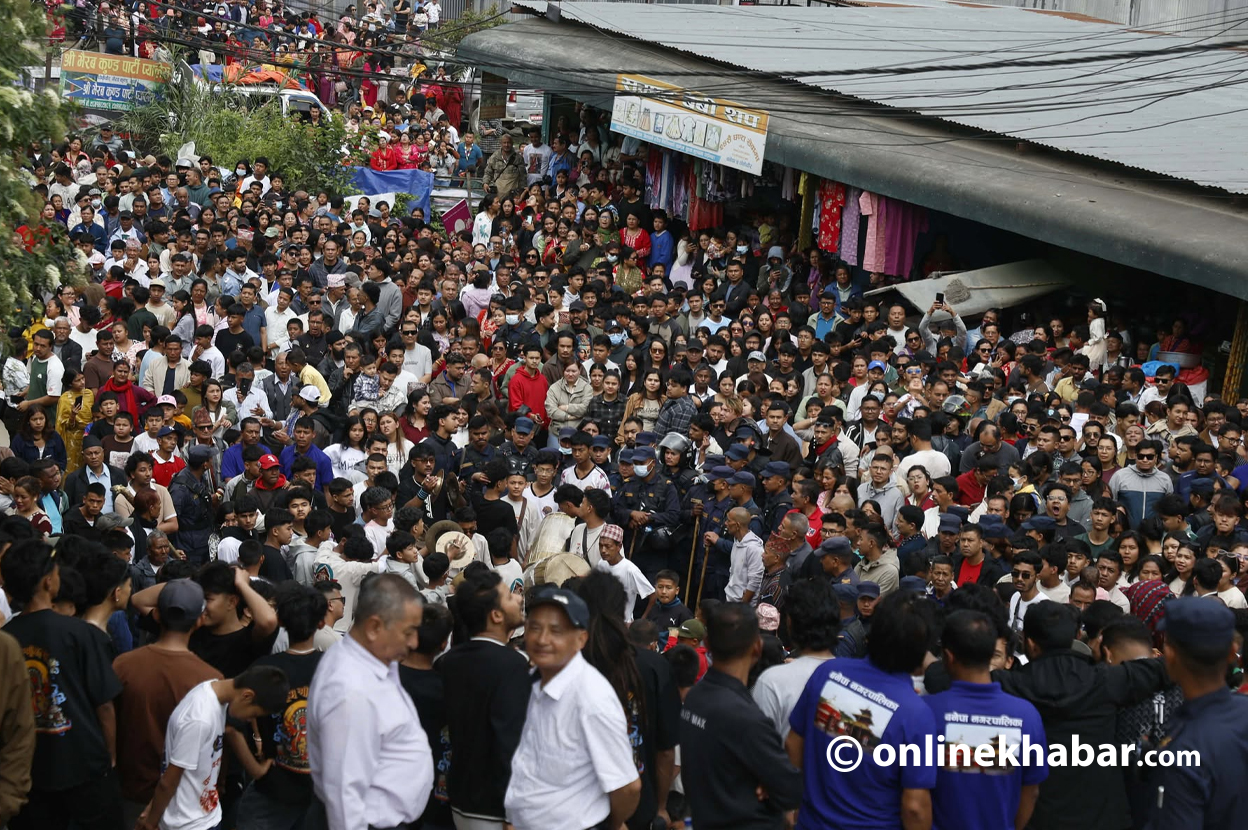
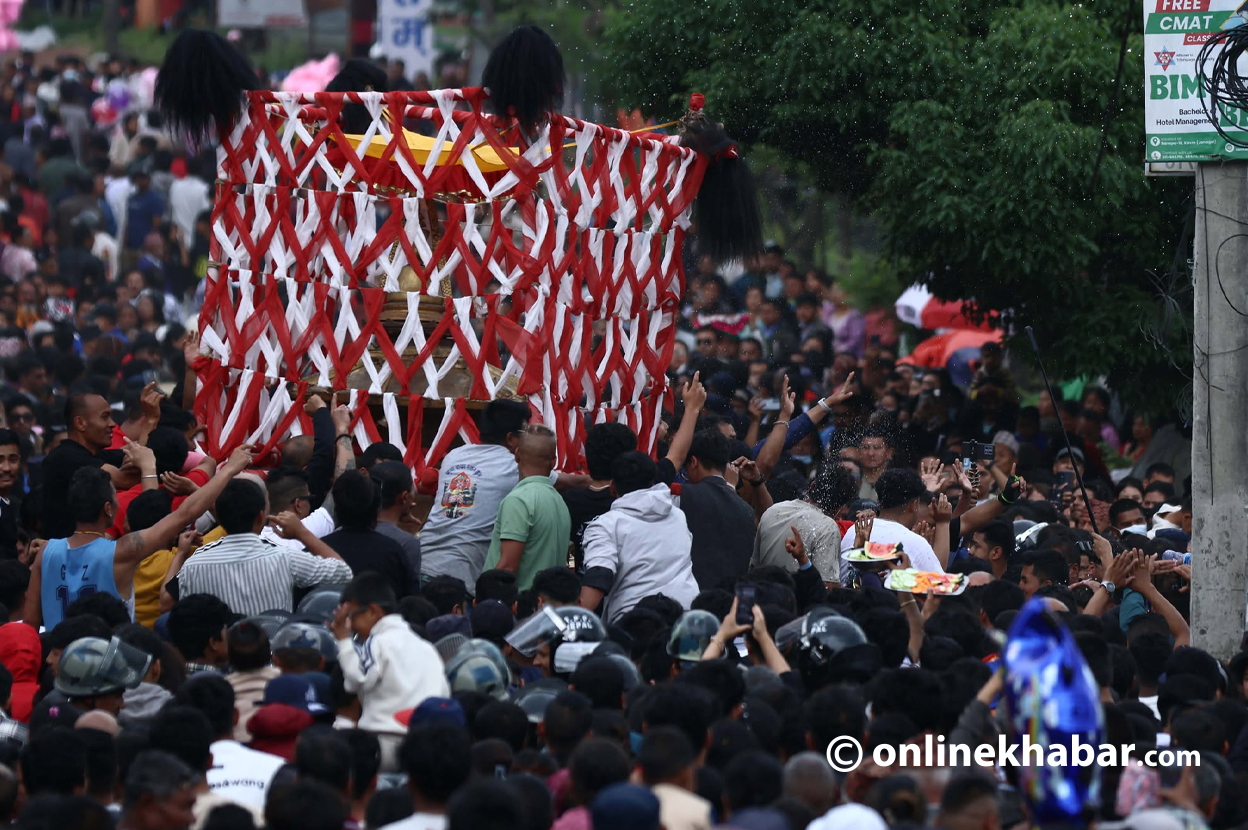
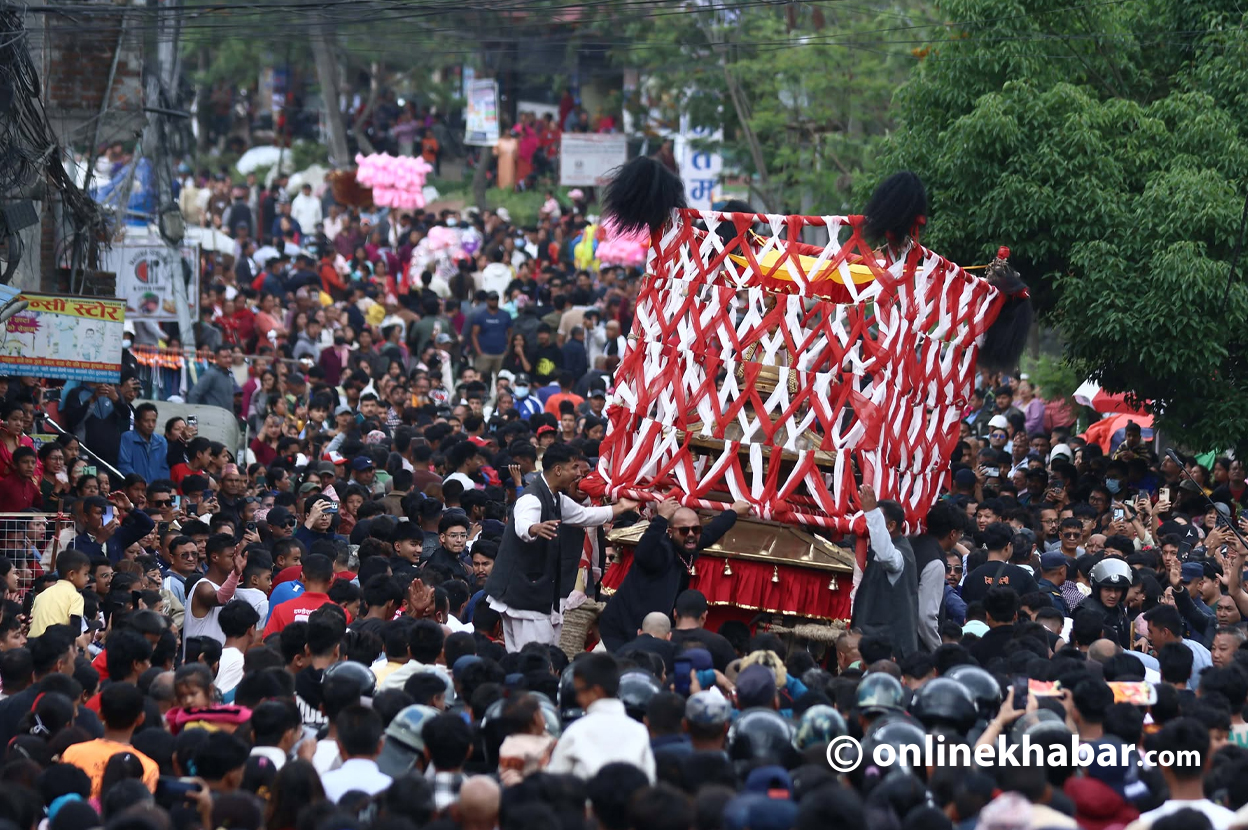
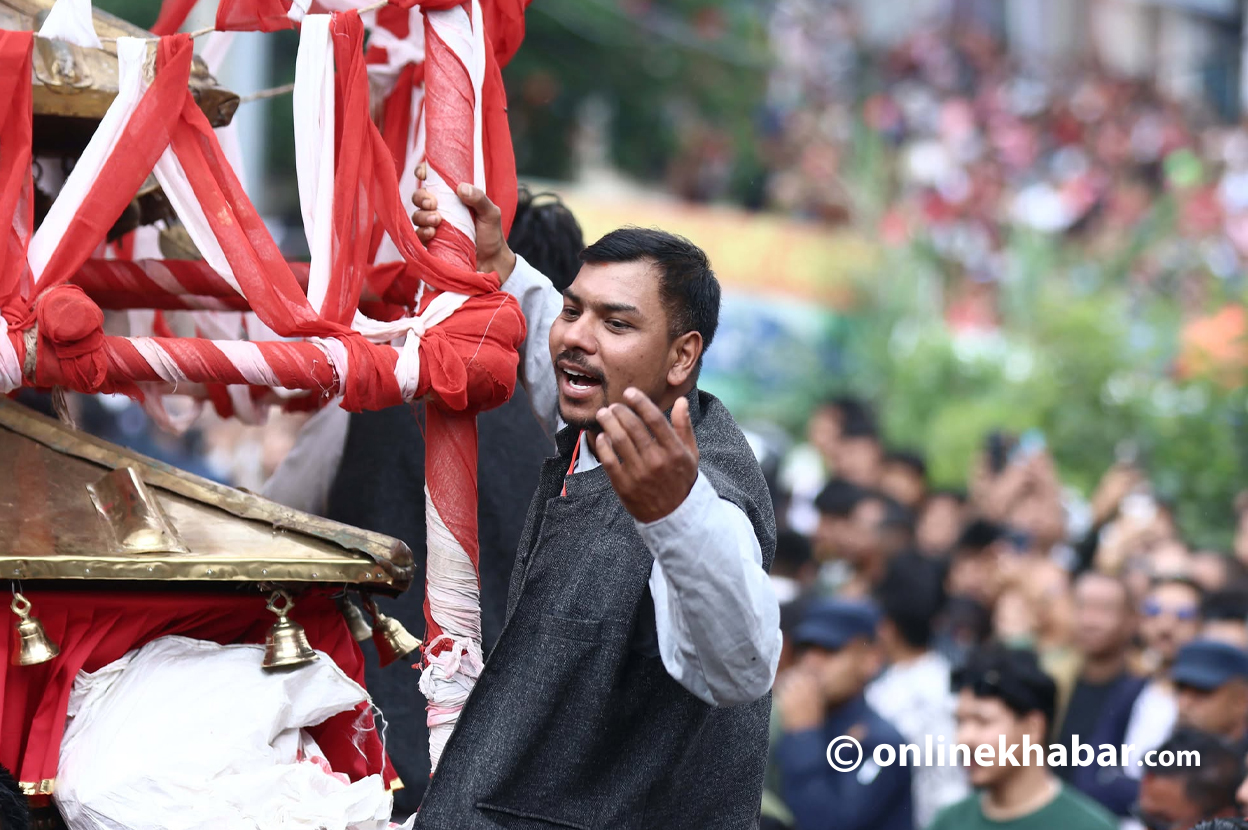
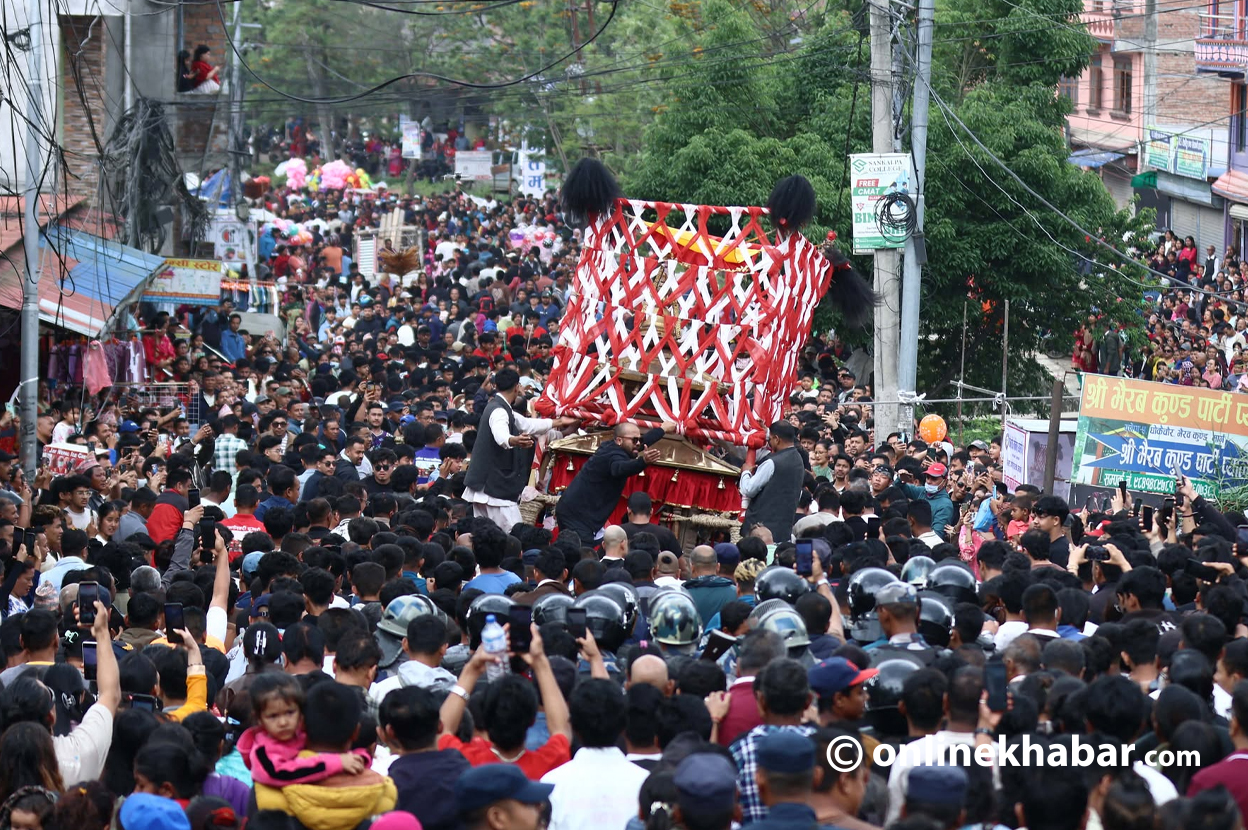
On the opening day of the Jatra, at the three springs of Banepa, a sheep sacrifice is made to a chariot frame without a deity (Khat). Then, the empty Khat is carried by young men accompanied by traditional music to Chandeshwori Temple.
With enthusiasm heightened by chariot pulling and lively festivities, residents offer encouragement from every window of local homes. Prasad prepared in each household is offered to Chandeshwori, who is enshrined in the chariot.
The day after Purnima, the deity’s chariot is ritually worshiped and then taken back toward Bakutol in Banepa. Bakutol is believed to be the site where Chandeshwori defeated the demon king Chandasur and performed his burial. The chariot is brought there with great reception, worship, and animal sacrifices.
Afterward, the chariot returns to the ancient Layku Palace. From there, the image of Goddess Chandeshwori is placed in a smaller chariot and taken back to Bakutol. Following this, the smaller chariot conveys the deity back to Chandeshwori Temple, marking the conclusion of the festival.
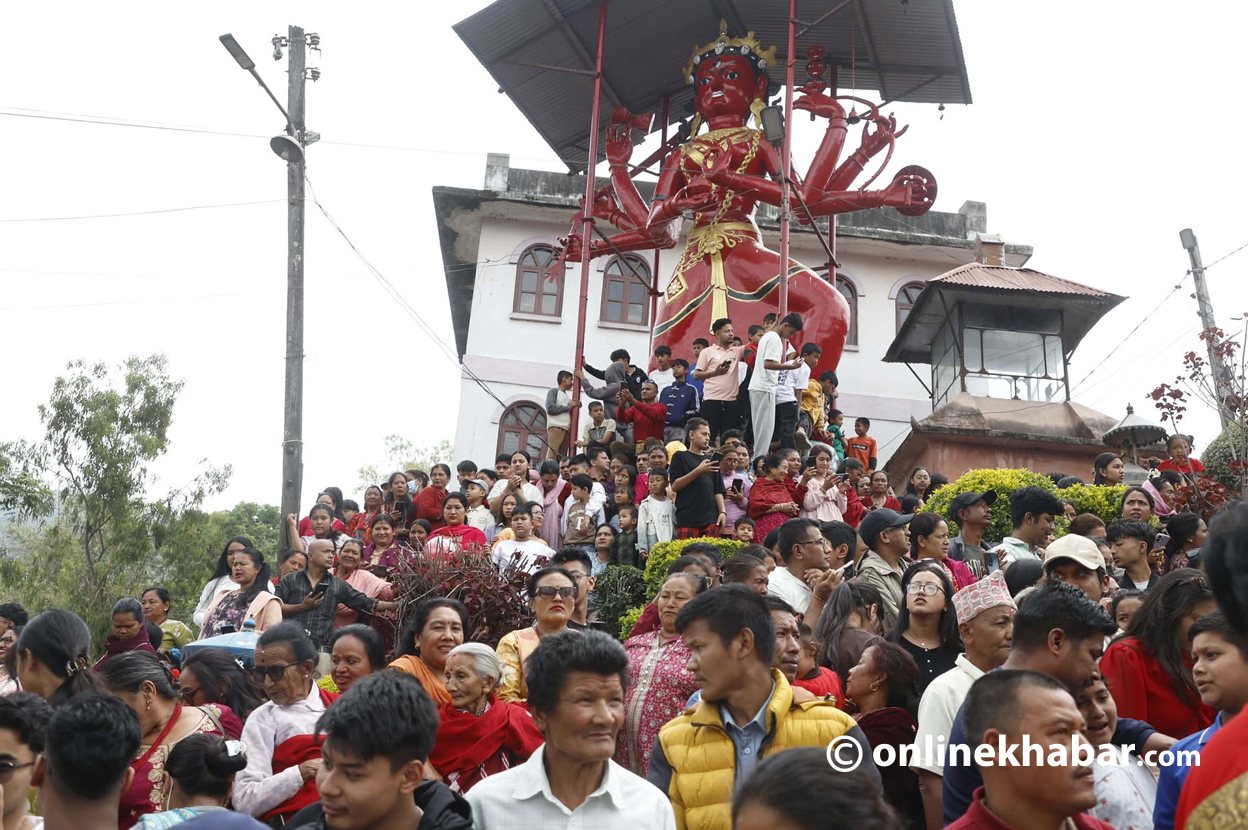
Devotees travel from distant places to worship Goddess Chandeshwori, revered as a powerful deity. It is widely believed that participating in the Jatra grants fulfillment of one’s wishes.
Since the Chandeshwori Jatra is directly linked with all Newar communities of Banepa, including local groups like Manandhar, Bochhibhoya, and Rajwahak, it holds special cultural importance.