
Comrade Surendra Pandey and the Controversial Interpretation of Marxism
News Summary
Reviewed.
- CPN-UML leader Surendra Prasad Pandey has questioned traditional Marxist interpretations, presenting controversial views on new class analyses and the concept of mobile democracy.
- Pandey cited examples such as gig workers and informal sector laborers, asserting there is no new form of class struggle despite their capitalist exploitation.
- The author refutes Pandey’s views, emphasizing that the fundamental character of capitalism and class relations remain unchanged and asserts that the communist party must work for the interests of the working class.
Comrade Surendra Prasad Pandey is considered one of the moderate personalities within CPN-UML. He is a studious individual currently pursuing a PhD in sociology. Known for expressing his thoughts openly, he has recently raised questions about the party leadership, positioning him with views differing from the party’s established official ideology.
Since 1978 BS (circa 2021 AD), Pandey has contributed extensively as a full-time activist in the underground party of the then Maoist movement. He has competed with prominent leaders such as Bidya Bhattarai, Bishnu Paudel, Shankar Pokhrel, and P.S. Gurung, who claim leadership after Oli’s era. A former finance minister, parliamentarian, and general secretary contender, he is regarded as a promising and influential leader within UML. Currently, he attempts to analyze society beyond traditional Marxist frameworks, but has yet to reach concrete conclusions.
Pandey describes the present era as one of mobile democracy, data economy, and artificial intelligence, casting doubt on conventional Marxist discourse. Yet, given past events and his limited influence in elections, support for or opposition to his ideological views appears weak.
The official Marxists within UML remain silent on these questions, neither refuting nor endorsing them. This silence risks generating confusion about the core understanding of Marxism and may mislead young activists, potentially redirecting the broader movement toward capitalist service.
Here, I will critically address Comrade Pandey’s questions and respond from the perspective of a general reader, not an official Marxist interpreter or communist leader, aiming to advance the debate.
Has the Class Character of Society Changed?
Pandey acknowledges that since Marx’s time, the fundamental character and class relations of capitalism have not changed. From the mercantile era until today, there remains intense centralization of capital, surplus value extraction, and class exploitation.
Though new forms appear, conflicts and exploitation between the working class and capitalists persist. According to Pandey, IT, AI, and gig platform workers also suffer exploitation.
Gig workers endure long hours, life-threatening conditions, low savings, insufficient income, lack of social security, and job insecurity—all new manifestations of labor exploitation.
In Nepal, low wages and absence of social security for hospital nurses and private school teachers highlight capitalist exploitation.
New class analyses identify many subclasses between urban and rural, middle class, and affluent groups, but the fundamental contradiction between property owners and laborers remains intact.
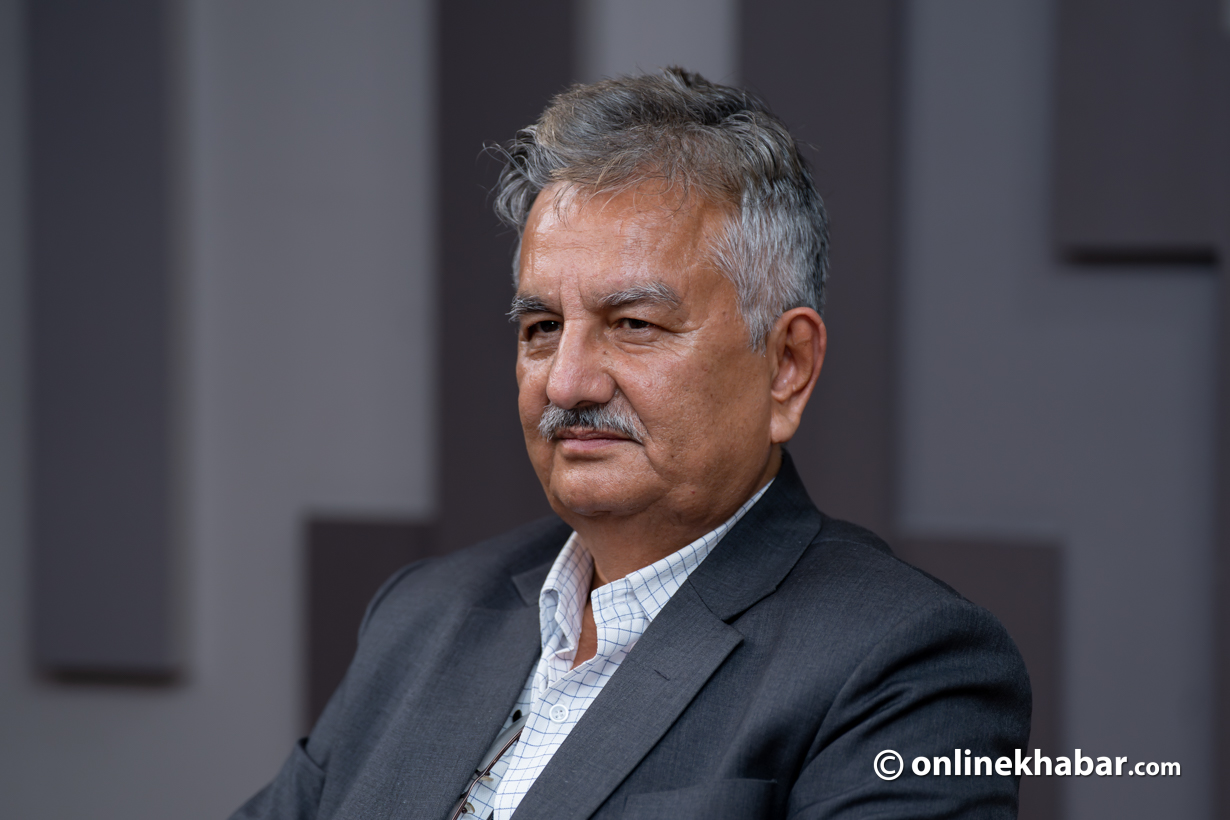
Pandey challenges the official figure of 17.5% poverty, suggesting that more than 20% of Nepal’s population actually lives below the poverty line, with many other classes at risk.
Communist politics should serve the working class, not just the poor. The conflict between working and capitalist classes endures, and the existence of subclasses does not alter that reality.
The idea of mobile democracy is immature, leading the working class astray with false consciousness, diverting attention from class consciousness toward nationalist politics.

Although information flows easily, the nature of production relations and class character have not changed.
Mobile democracy is merely a populist approach removing class consciousness from minds; it changes only modes of organization and propaganda.
Has the Division Between Bourgeois and Working Class Ended?
Comrade Surendra, classes are defined by production relations. Gig workers, IT professionals, and migrant laborers all fall within the scope of capitalist exploitation. Only the form of labor-capital relations has changed, not their essential character.
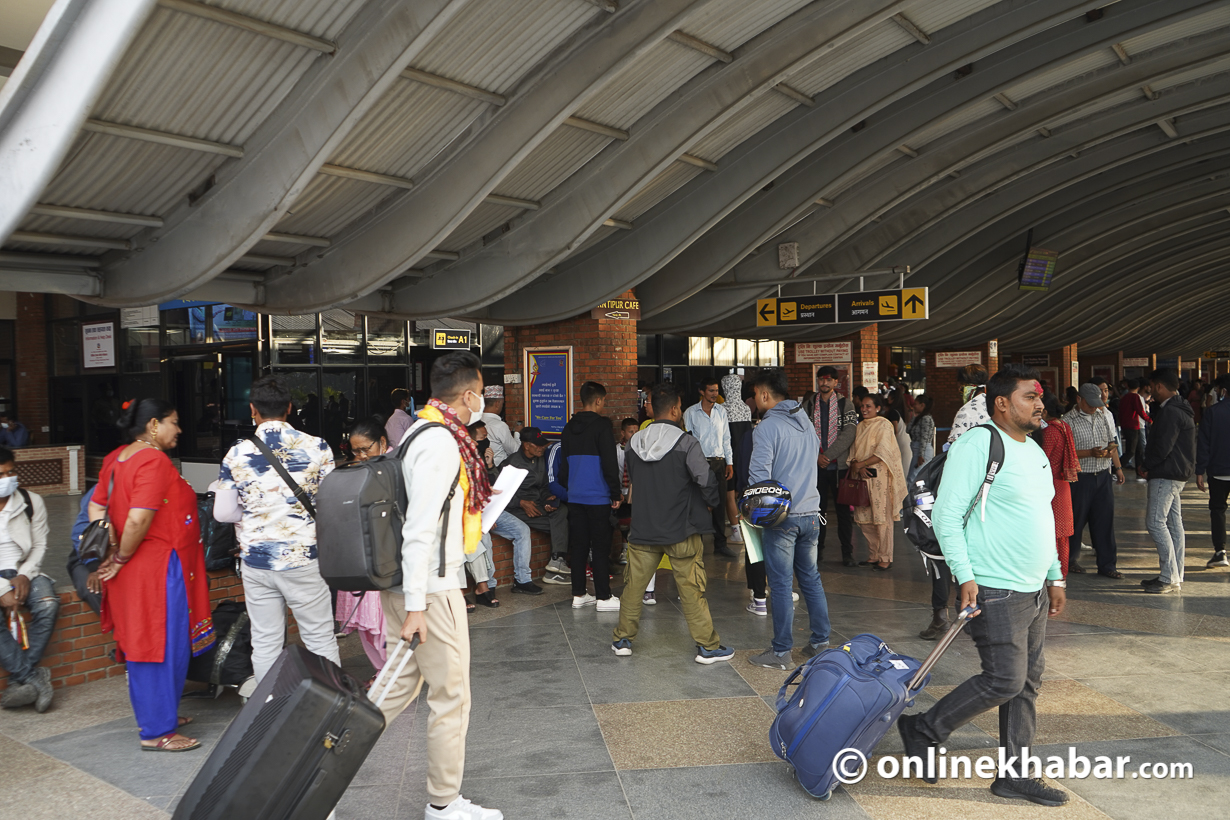
Nepali workers performing semi-servile labor abroad also produce surplus value for capitalists, which does not fundamentally alter class relations.
This remains a class conflict, and claims that ‘time has found new class definitions’ solely spread confusion.
Some leaders reject Marxist ideas based on personal enrichment without class transformation, which is misguided.
Capitalism entails not only inequality but also issues of caste, region, gender, and social sensitivities that intertwine with its character.
What Kind of Party Should We Build?
Nepal’s development requires advancing progressive capitalism. A party is needed that reforms capitalism progressively while advancing toward socialism.
The communist party should work for labor interests, regulate capitalism, and pursue socialism as its ultimate goal.
Such a party must uphold social justice and class partisanship while empowering the state to enhance the competitive capabilities of all communities.
The party’s ideology should represent and protect the interests of all—from the middle class to the working class.
The socialist movement and class struggle must be guided by scientific analysis, not individual desires.
If Comrade Pandey raises issues such as communist party restructuring or bourgeois dominance, he should present evidence for debate.
Combining historical experience with new ideas can build a suitable party and movement for the future.