
Gagan Thapa’s Strategy to Weaken Rival Groups After the Special Congress Convention
Summary of the News
Including editorial review.
- Congress President Gagan Thapa has nominated 19 central members after the Special Convention, aiming to politically weaken other groups.
- Leaders of rival factions claim the nominations are insufficient for party unity and were made without consultation.
- The Deuba faction is holding provincial-level meetings to prepare for the 15th Convention, emphasizing party unity.
Kathmandu, 12 May – Following the Special Convention, Congress President Gagan Thapa is advancing a strategy to politically marginalize rival factions, signaling the decline of the old leadership’s influence.
After the Supreme Court rejected a petition against the Election Commission’s recognition of the Special Convention, Thapa has further weakened parallel activities undertaken by other factions within the party.
The establishment-led effort to undermine rival groups began with the nomination of members to the Central Policy, Research, and Training Institute on 6 May.
Vice President Bishwaprakash Sharma appointed Associate Professor Govindraj Pokharel, close to Dr. Shekhar Koirala, as a member of the Institute, signaling an intent to bring other faction leaders into the party mainstream.
Shortly after, on 11 May, Thapa nominated leaders affiliated with outgoing President Sher Bahadur Deuba and Dr. Shekhar Koirala to the Central Working Committee.
When expanding the Central Committee, Thapa reportedly did not consult leaders from different factions, highlighting a unilateral approach.
The establishment views these nominations as attempts to fracture party unity and weaken opposition internally.
Close associates claim that Thapa made the nominations without consulting former Acting President Purna Bahadur Khadka or leader Dr. Shekhar Koirala.
“The nominations were made without consensus or advice. Those nominated are aligned closely with Gagan Thapa,” said a leader close to Khadka.
Dr. Koirala’s secretariat also stated that the central committee nominations were made without their knowledge. “We were not consulted at all,” said Koirala’s private secretary Dinesh Chandra Thapaliya.
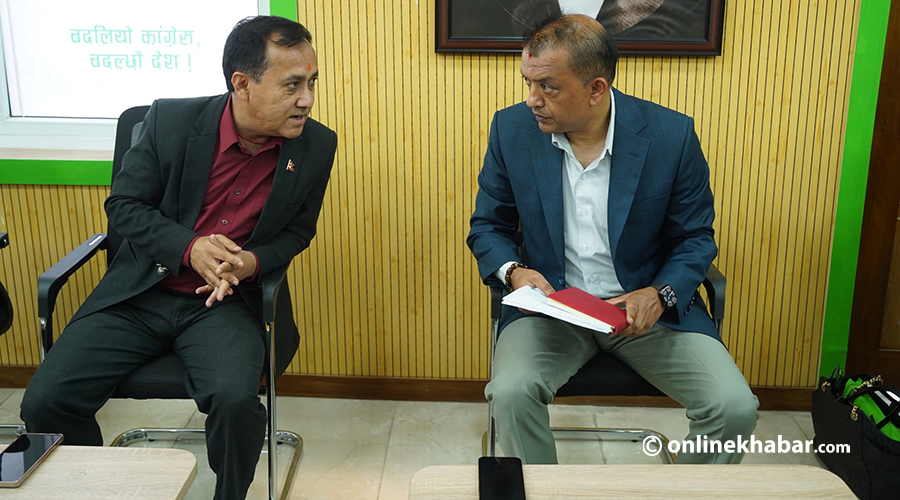
Ram Hari Khatri, a leader from another faction, acknowledged the nominations as a positive gesture but emphasized they do not constitute ‘full unity.’ He stressed that excluding Khadka and Koirala makes genuine unity improbable.
“If the committee was formed by consensus, that would be good. But is unity achievable by including only members except for Purna Bahadur Khadka and Shekhar Koirala? While this is a step toward party integration, everyone must be included,” Khatri said.
Khatri insisted that the upcoming 15th Convention must be deeply unifying and that extensive dialogue among leaders should precede nominations.
“There can’t be significant discussion just between individuals at this level. A broad conversation about including 14th Convention members, maintaining active membership, forming election committees, and ensuring the 15th Convention is unifying is essential,” he stated.
After Thapa’s unilateral nominations, Dr. Koirala met on the morning of 14 May with close leaders and the nominated members.
Following discussions, Koirala stated that the nominations have harmed the broader party unity.
“The appointment of 19 members to the Central Committee on 28 April has damaged the party’s wide-ranging unity,” he wrote on Facebook.
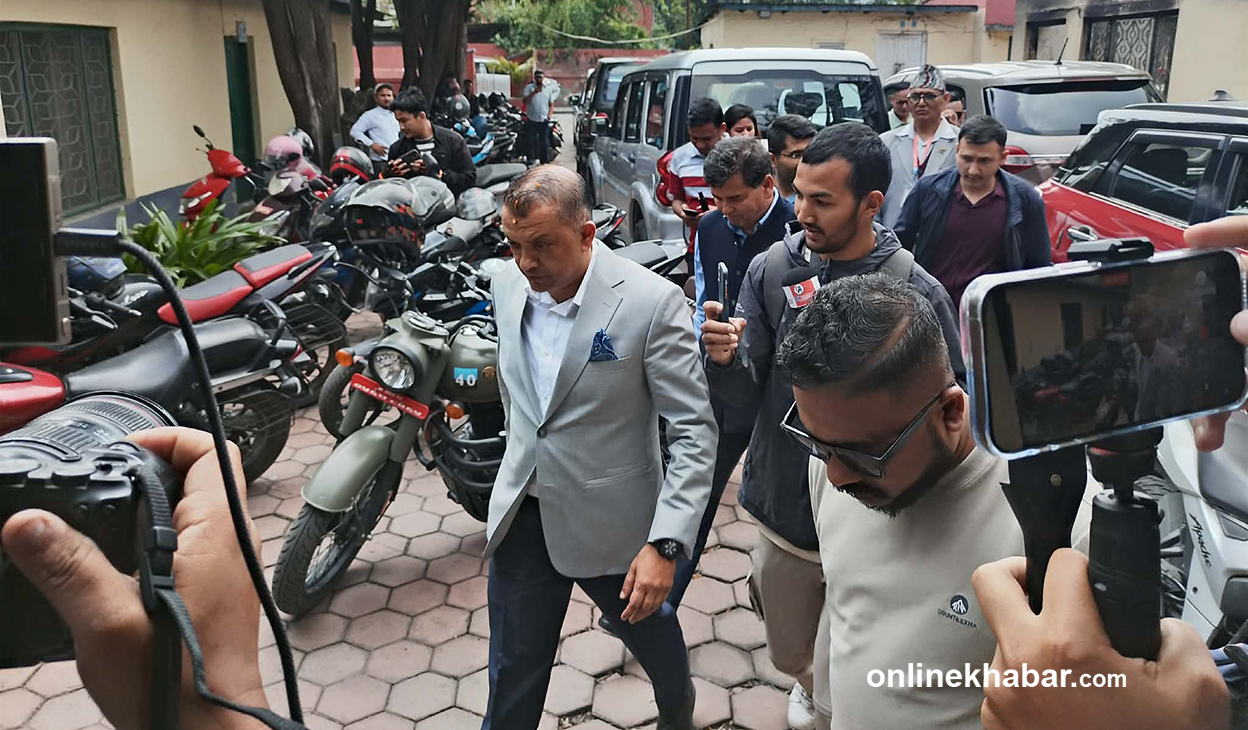
Koirala emphasized that the 15th Convention should be completed as a unity convention, building on the renewed active membership established after the 14th Convention.
Among the 19 nominations by Thapa, seven belong to Koirala’s faction.
Leaders from the Deuba camp have also expressed that these nominations negatively affect the overall unity process.
Former Acting President Purna Bahadur Khadka remarked, “I was neither consulted nor involved in any discussions concerning the Central Committee decisions of 28 April.”
He expressed that the nominations have adversely impacted efforts toward comprehensive party unity.
Khadka voiced hope that party leaders will move forward collectively with shared sentiments and ideas.
Political Disputes Persist
Although the Supreme Court legally resolved the official status dispute, political disagreements remain within the party. Despite the petition against the Election Commission’s recognition being dismissed, the dissatisfied factions led by Deuba continue parallel activities.
After the Election Commission recognized the leadership selected at the Special Convention, Acting President Khadka approached the Supreme Court. However, the petition filed on 18 April was rejected.
Following the verdict, the Deuba faction chose a wait-and-watch approach strategically.
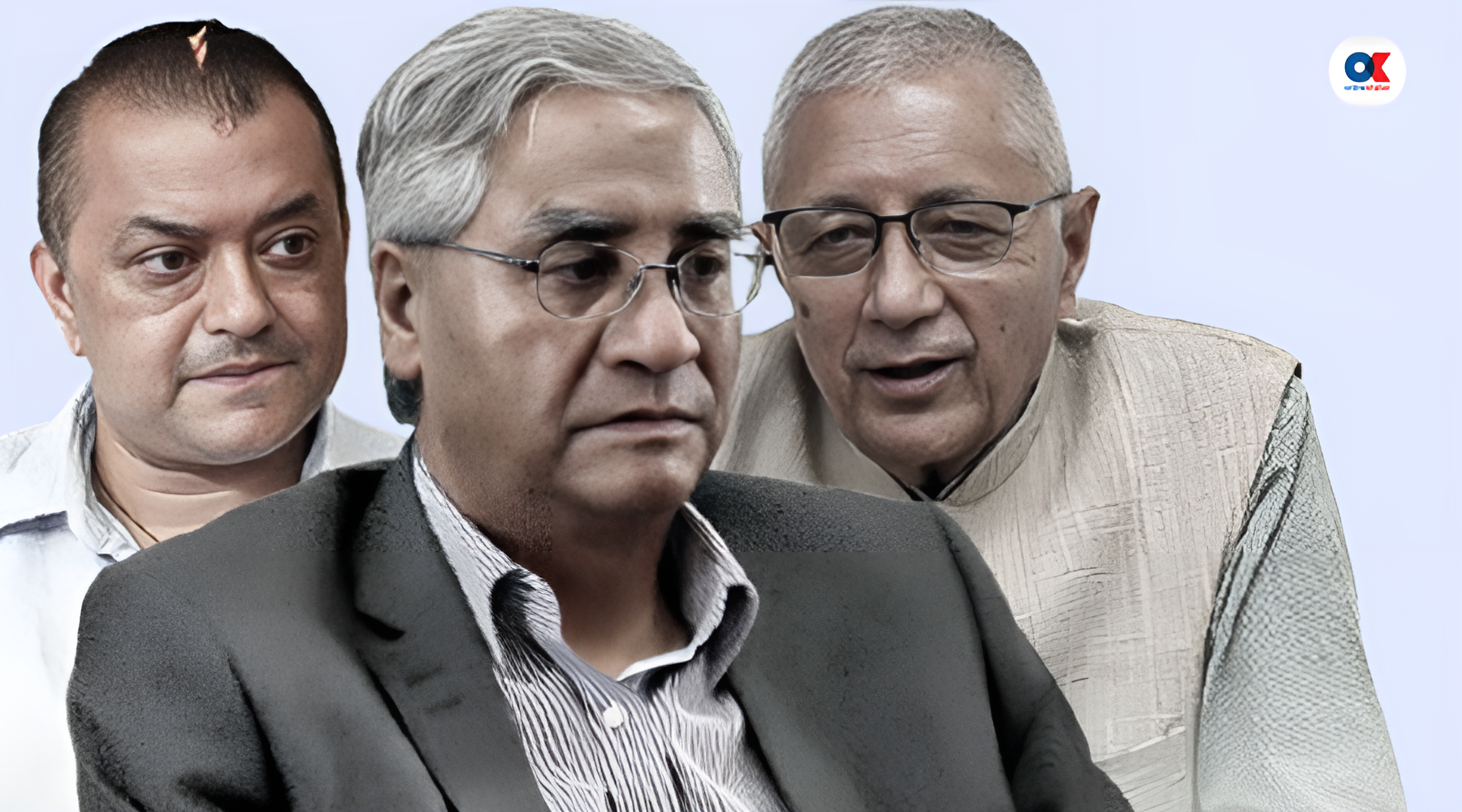
After the meeting ended, President Thapa visited Khadka’s residence in Gairapatan, but substantive dialogue was reportedly lacking.
Sources stated that Khadka called a meeting on 29 April to prepare further strategies, criticizing the absence of reconciliation efforts after the court’s decision.
The two-day meeting in Hotel Smart, Dhumbarahi, included former central members as well as district and regional chairs. It concluded that the current leadership chosen at the Special Convention cannot successfully organize the 15th Convention with all key party participants included.
The Deuba faction demanded a party-wide unity campaign at all levels based on the revised constitution from the 14th Convention.
The meeting also recognized the need for a shared structure. The establishment is seen attempting to resolve disputes by including dissatisfied groups.
Deuba Faction Active in Provincial Meetings
Claiming the establishment lacks the will to create a joint convention structure, the Deuba faction has initiated provincial-level meetings.
These meetings coincide with provincial programs run through the Central Policy, Research and Training Institute, while the Deuba faction organizes internal strategy sessions.
Leader Min Bishwakarma said the provincial meetings aim to keep the faction united and enhance internal discussions effectively.
According to him, the Deuba group is preparing for the 15th Convention through these provincial gatherings.
“The provincial meetings are intended to strengthen party organization, advance convention preparations, and reactivate members who have become disillusioned,” Bishwakarma explained.
Krishna Prasad Sitaula and Anand Prasad Dhungana coordinate in Koshi and Madhesh provinces respectively. Mechalal Shrestha, Prakashman Singh, and Dr. Prakashsharan Mahat oversee coordination in Gandaki and Bagmati provinces.
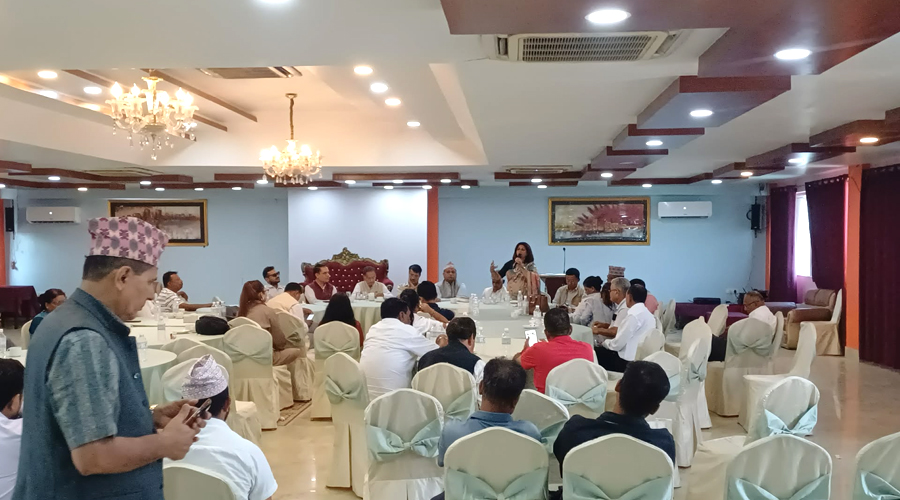
Former Co-General Secretary Kishor Singh Rathore was assigned to Lumbini, former Chief Minister Jeevan Bahadur Shahi to Karnali, and NP Saud to Sudurpashchim provinces.
While the establishment started provincial-level meetings in Deuba’s home province Sudurpashchim, dissatisfied factions organized their meetings in Koshi, the home province of Vice President Bishwaprakash Sharma.
The party is also conducting province and local-level meetings in all seven provinces through the Central Policy, Research and Training Institute.
A meeting chaired by Vice President Sharma on 7 May decided to hold gatherings in all seven provinces. The Sudurpashchim provincial meeting was held in Dhangadhi, Kailali on 9-10 May.
Additionally, a two-day Karnali provincial meeting started in Surkhet on 12 May. Gandaki’s is scheduled for 14-15 May in Pokhara, Bagmati’s for 16-17 May in Dhulikhel.
Madhesh Province will hold its meeting on 18-19 May in Bardibas, Mahottari; Koshi Province on 20-21 May in Laukahi, Sunsari; and Lumbini Province on 26-27 May in Tilottama, Rupandehi.
Formation of Convention Organizing Committee Unlikely
The Deuba faction has insisted on forming an organizing committee that includes all factions to ensure participation, but the establishment side argues that forming a separate committee for the Convention is not feasible.
General Secretary Pradeep Poudel stated that the dissatisfied group’s understanding of forming such a committee is inaccurate. “The Central Committee does not delegate authority to outsiders to ensure fairness,” he said.
General Secretary Ghimire also said the tradition of having a separate organizing committee does not exist within Congress, making it impossible to meet the dissatisfied group’s demand.
Party spokesperson Devaraj Chalise added that no decisions outside the constitution will be taken in the name of reconciliation. “Those who respect legal governance cannot violate laws,” he said.
Maximum Flexibility to Include Dissidents
According to establishment leaders, President Thapa is preparing a ‘roadmap’ to resolve differences and unify the party.
General Secretary Poudel mentioned plans to distribute responsibilities within constitutional boundaries to make the 15th Convention fair and free from bias.
They indicated readiness to include the dissatisfied factions within the mandate of the Special Convention.
Another General Secretary, Ghimire, noted that the party intends to incorporate dissident factions into the Central Committee and other key structures.
President Thapa has also signaled his openness to include dissatisfied groups where necessary to bring the party together.
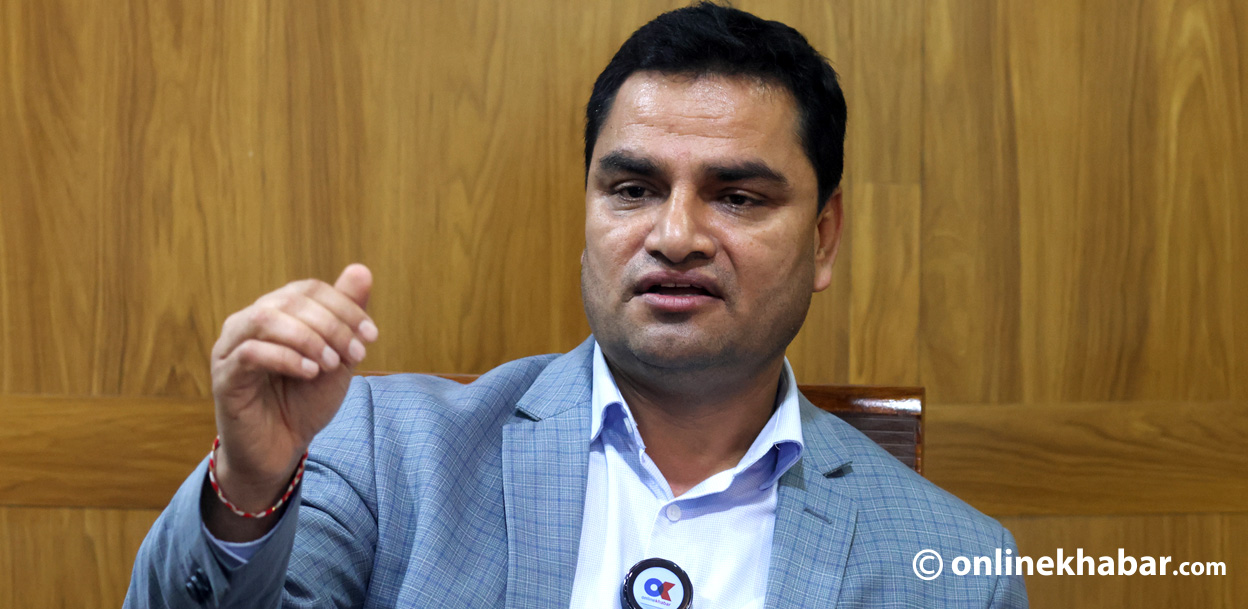
The membership management committee, formed under General Secretary Poudel’s leadership, has left some positions vacant to ensure representation from the dissatisfied group. Committee members include Co-General Secretary Yogendra Chaudhary and Prakash Rasailee.
The establishment plans to involve dissident leaders in the Central Committee and other major party bodies.
Spokesperson Chalise confirmed that dissident factions will be included in the Discipline Committee, Election Committee, and the Membership Management Committee.
“Membership management is most critical to ensuring a fair convention, so dissidents will be involved,” he added.
Dialogue Initiated, but Agreement Remains Unclear
On 7 May, President Thapa visited former Acting President Khadka’s residence in Gairapatan for a discussion, accompanied by Vice President Sharma.
After arriving at 11 a.m., Thapa and Sharma held talks with Khadka for about an hour and a half.
A close leader of Khadka said, “We were told to bring a roadmap at the previous meeting, but nothing was presented this time.”
General Secretary Ghimire stated that President Thapa continues dialogue efforts to reconcile with the dissenting group.
While the establishment is striving to create a credible environment for full participation in the Convention, a clear path to consensus has yet to emerge.
According to Ghimire, problems must be solved within the boundaries of the constitution and through mutual agreement.
Topics Revealed by Khadka After the Meeting
a) The belief that the nation’s nationalism and history are at great risk.
b) Nepal Congress is facing its most challenging period historically.
c) Ongoing attacks on constitutionalism and democracy.
Khadka emphasized that without broad and comprehensive party unity, effective national politics is unattainable. He tasked Gagan Thapa and Bishwaprakash Sharma with primary responsibility for maintaining unity.