
Federal Civil Service Bill Review: Verbal Apologies to Dalits, but Policies Perpetuate Injustice
Summary
- The Federal Civil Service Bill 2083 proposes a Dalit reservation quota of 12.7%, which is lower than their population share of 13.4%, thereby contradicting Article 42 of the constitution.
- The bill limits reservation for Dalits to only once during their service tenure, which could hinder their access to higher-level positions.
- Although a separate sub-quota exists for Madhesi Dalits, nine years of data reflect low and unequal recommendations, indicating a lack of justice.
The Federal Civil Service Bill 2083, considered the ‘umbrella law for administrative federalism’ in Nepal’s administrative history, has become a contentious issue both in parliament and on the streets.
This law will not only govern employee management but also set a precedent for institutions such as Nepal Police, the Nepali Army, and other public service sectors.
However, the bill’s provisions appear to impose legal restrictions on the participation and rights of the Dalit community, thereby exacerbating historically persistent marginalization instead of fulfilling Article 42 of the Constitution, which guarantees social justice.
Worrying Representation Statistics: Dalit Presence Over Nine Years
Data from the Public Service Commission spanning fiscal years 2073/74 to 2081/82 reveal that Dalits remain significantly underrepresented in the civil service. While they comprise 13.4% of the population per national census, their share within the state apparatus is limited to only 5.59%.
Table 1:
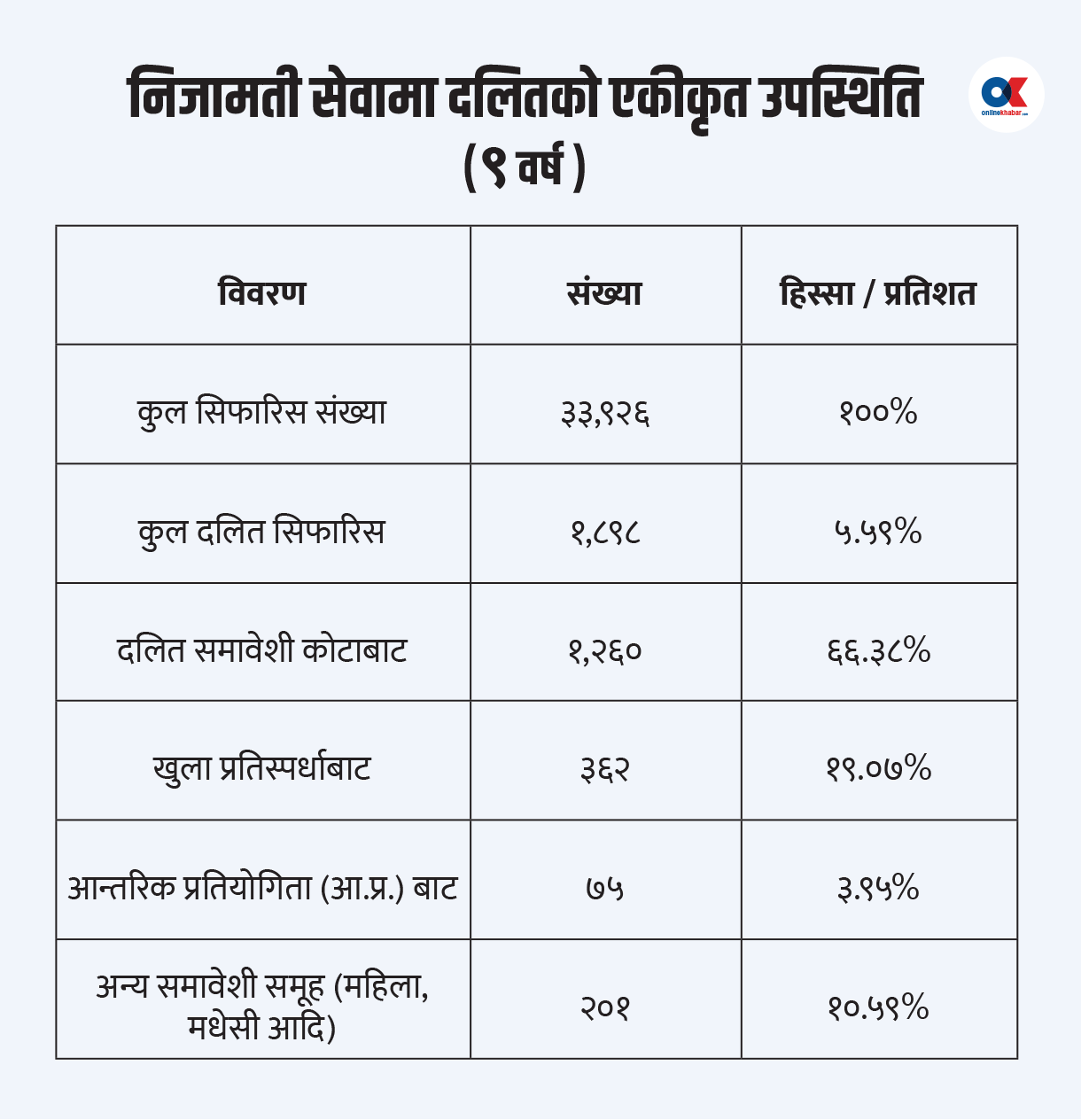
This data underscores that reservation is not merely a numeric target but a lifeline for Dalits. Over 81% of all Dalit civil service entrants gained entry due to reservation policies.
Population 13.4%, Reservation Only 12.7%: Basis for Reduction?
The Nepal Constitution mandates proportional inclusion across all bodies according to population share. Nonetheless, the Federal Civil Service Bill 2083 proposes only a 12.7% reservation for Dalits, below their population proportion, contravening constitutional principles.
The justification for this reduction has not been disclosed even to the bill’s drafters. Allocating only 12.7% reservation to a population of 13.4% can be viewed as a threat and betrayal of Dalits’ rightful entitlements.
New Provisions and Regressions for Dalits in the Bill
The bill sets an inclusion quota of 49% and open competition at 51%. Considering the inclusion quota as 100%, Dalits receive only 12.7%, amounting to roughly six seats out of total positions.
Additionally, the provision to provide reservation benefits only once during a service tenure implies that once a Dalit officer attains the rank of branch officer, their reservation opportunity is exhausted, compelling them to compete in open competition for higher ranks such as joint secretary. Dalits’ success rate in open competition is merely 2%, effectively blocking their upward representation.
Need for a Separate Sub-Quota for Madhesi Dalits
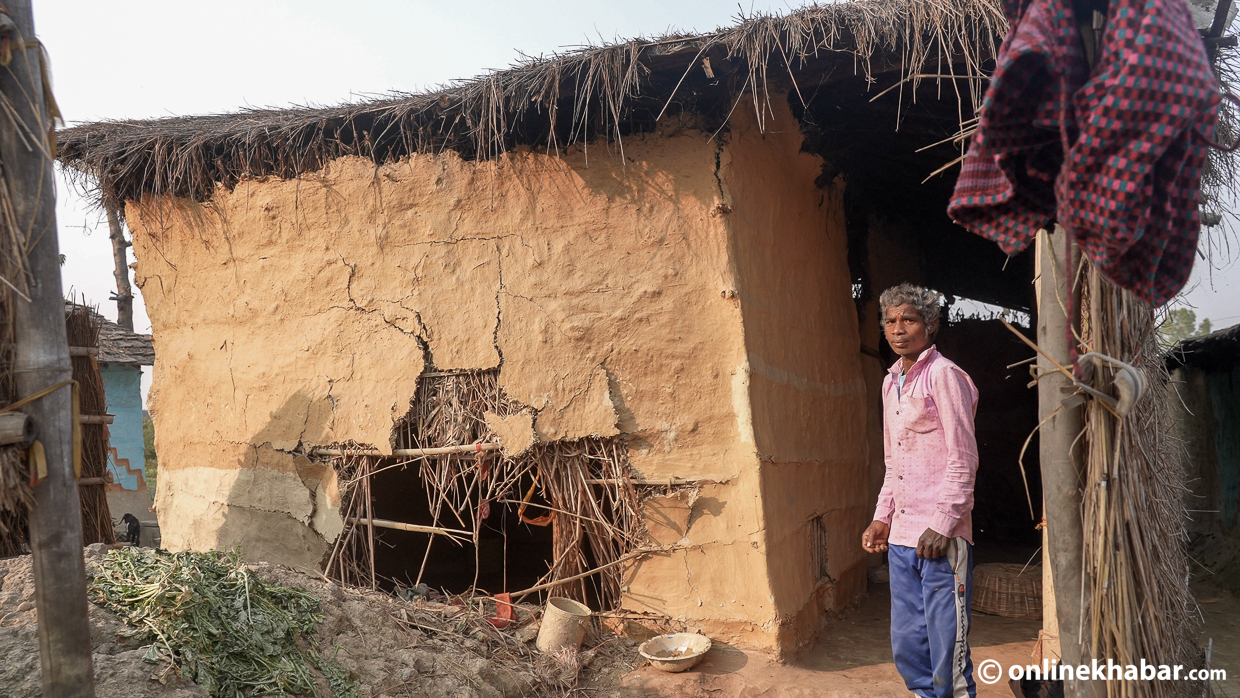
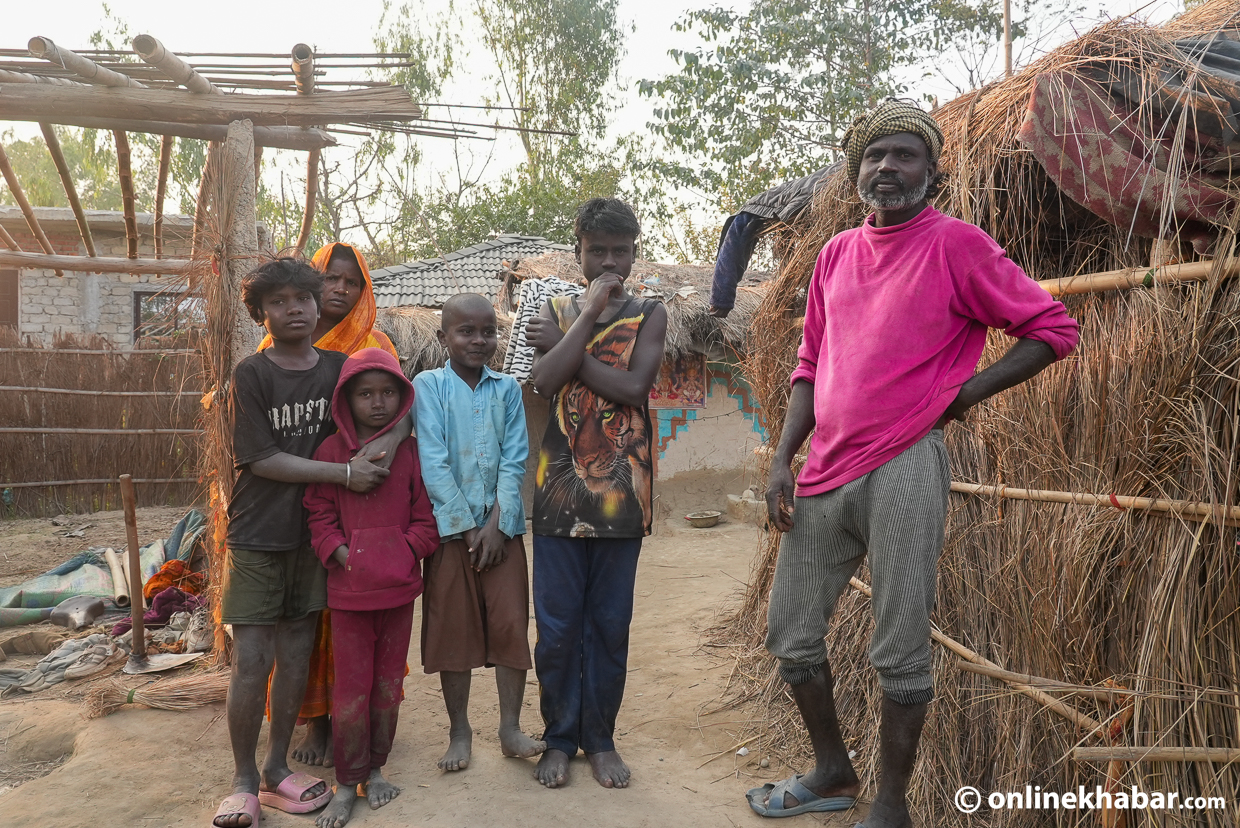
Nine years of Public Service Commission data indicate that Madhesi Dalits account for only 22% of total Dalit recommendations. Out of 26 castes, only 15 have any representation. These sub-quotas are crucial to ensuring justice for Madhesi Dalits.
Complexities of Surnames and Identity
Dalits often change their surnames to avoid social stigma, and the lack of caste identification in records makes accurately assessing their true representation even more challenging.
Regressive Provisions in the Bill
This bill threatens to reverse 15 years of progress in inclusion. The provision limiting reservation to once per service tenure violates Article 42 of the constitution. It also creates a de facto advantage for the historically privileged Khas-Arya group in marginalized regions. Moreover, if a reserved seat remains unfilled, immediate conversion to open competition is proposed, further disadvantaging Dalits.
Concrete Recommendations for Justice and Inclusion
– Eliminate the ‘once per service’ restriction entirely. Dalits should have unrestricted access to reservation benefits, especially at joint secretary and secretary levels.
– Reinstate the “carry forward” system to reserve Dalit seats for up to three years if unfilled.
– Provide preparatory classes and scholarships to support Dalit candidates in open competition.
– Implement a digital “clustering” system in the Public Service Commission and civil service records to track ethnic identities accurately.
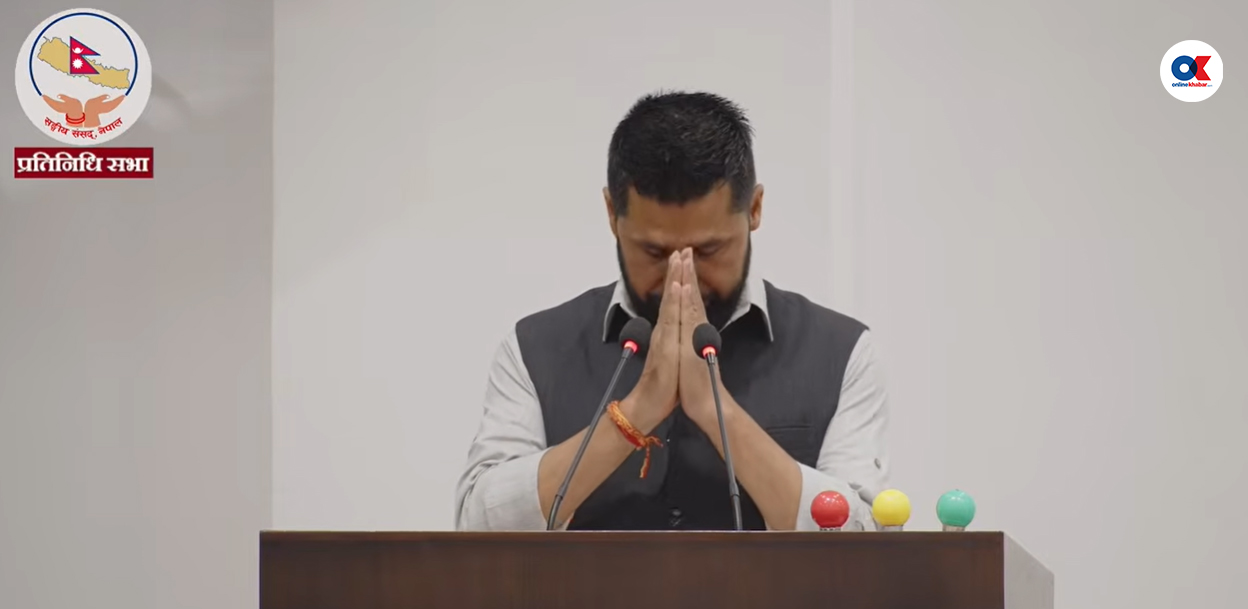
Recently, Rabi Lamichhane, chairman of the Rastriya Swatantra Party, formally apologized on the parliament podium to Dalits for centuries of oppression and promised the state would introduce special compensation programs.
Nevertheless, the Federal Civil Service Bill, advanced under the current government, counters progress by restricting reservation to a single occasion, thereby decreasing Dalit representation.
Challenges for Civil Society
This apology and promise must translate into substantive policies that strengthen Dalits’ special rights. The Dalit quota should be increased by at least 2% to a total of 15.5%, and a 7.7% separate sub-quota for Madhesi Dalits must be guaranteed.
Dalit rights activists, intellectuals, and civil society must awaken proactively now; otherwise, this trend could extinguish Dalit administrative representation for the next half-century.
If the current government and political parties advance this regressive policy, options will be limited to moving beyond memorandums and seminars to street protests. The policy betrayals crafted behind closed doors at Singha Durbar must be met with peaceful public demonstrations.