
Nepal’s New Journey Toward Prosperity Through Tourism
Nepal is a nation endowed with some of the world’s rarest natural, cultural, and spiritual assets. From the world’s tallest peak, Mount Everest, to Lumbini, the birthplace of Lord Gautama Buddha; from Janakpur Dham, the center of Mithila civilization, to its Himalayan beauty, biodiversity, national parks, multilingual culture, adventure sports, religious faith, and unique rural lifestyles—Nepal possesses exceptional potential to become a prime destination in global tourism.
Despite these vast opportunities, Nepal has not yet achieved the expected success in the tourism sector. By 2025, while Nepal is projected to receive approximately 1.15 million foreign tourists, landlocked Laos is already attracting over 4.5 million visitors. The issue is not Nepal’s resources but a lack of vision, infrastructure, strategic planning, and effective implementation.
Many countries worldwide now rely heavily on tourism as a key driver of their national economy. In some, tourism is the cornerstone of foreign currency earnings, employment, infrastructure development, and international identity. In Nepal as well, tourism must be recognized not merely as a source of leisure or recreation but as a principal industry for national prosperity.
If Nepal aims to welcome 6.3 million foreign tourists by 2040, incremental improvements will no longer suffice. The nation must adopt structural reforms, long-term strategies, modern perspectives, and results-oriented approaches in the tourism sector.
Goals and Potential
If Nepal systematically expands its tourism sector over the next 15 years, reaching the target of 6.3 million tourists is achievable. Should Nepal achieve an average annual tourist increase of 15 percent in the coming years, it could attract nearly 3 million foreign visitors by 2032. Maintaining a 10 percent annual growth rate from 2032 to 2040 would then make the 6.3 million mark attainable.
This target is not merely about increasing tourist numbers, but a national campaign to elevate Nepal’s economy to new heights. The global tourism market is evolving rapidly. Travelers today seek experiences beyond hotels and cities. Nepal offers an unparalleled wealth of experiences.
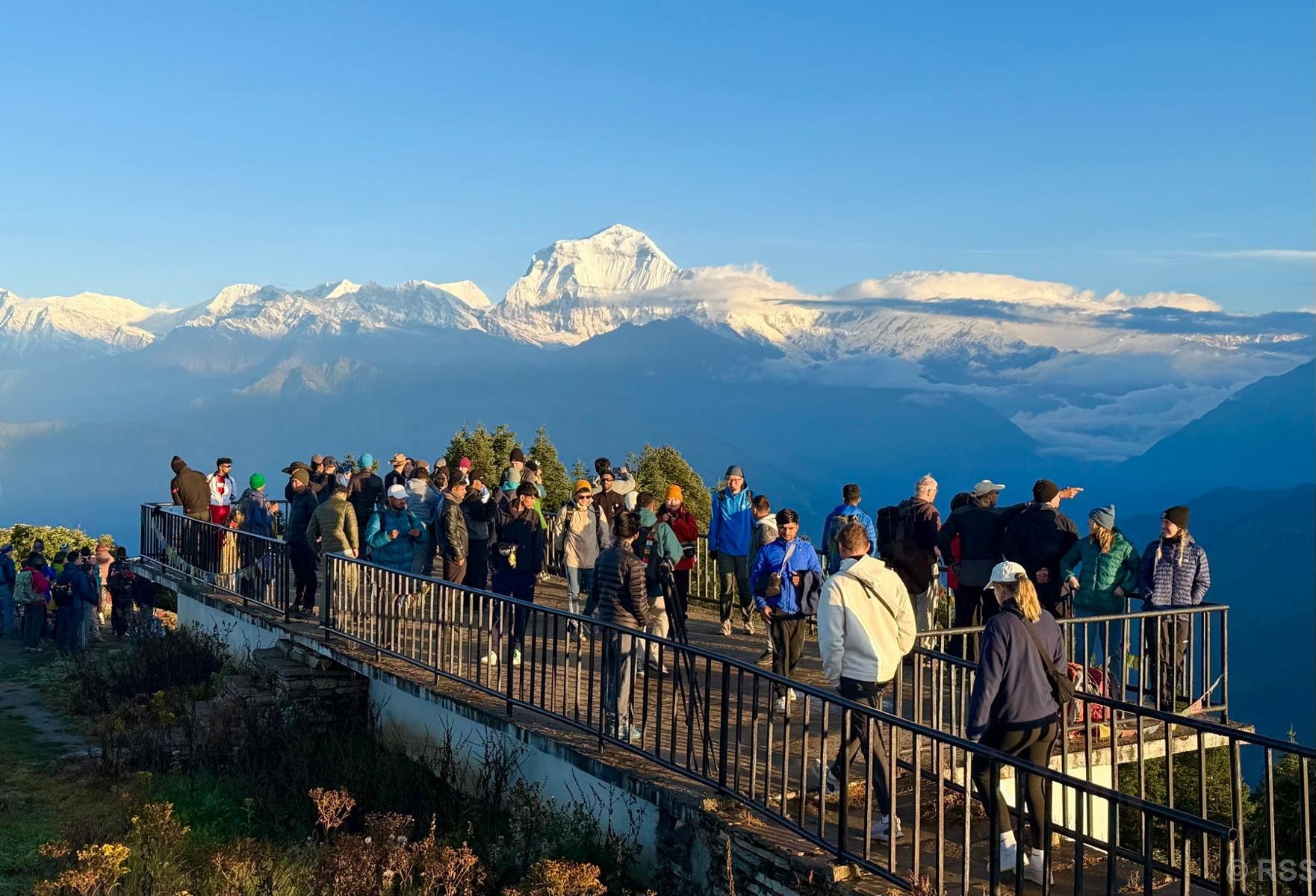
The thrill of the Himalayas, Buddha’s peace, the religious devotion of Pashupatinath, Chitwan’s wildlife, the touch of Himalayan culture, rural lifestyles, and natural diversity can make Nepal one of the world’s most distinctive destinations. With the right strategy, Nepal could become the fastest-growing tourism market in South Asia.
Infrastructure Needs
The foundation of tourism development is accessible and quality infrastructure. However, many of Nepal’s promising tourist destinations still lag due to poor roads, transportation, communication, healthcare, and basic amenities. Destinations such as Rara Lake, Tilicho Lake, Gosainkunda, Khaptad National Park, Badimalika, Pathibhara Temple, and the Kanchenjunga base area have the potential to become world-class tourism centers.
Yet, poor road networks, inadequate public facilities, sanitation issues, lack of digital information, and unsafe transportation deter visitors. Major lifelines like the Mahendra Highway, Prithvi Highway, and Siddhartha Highway are partly dilapidated, making travel difficult for locals and tourists alike. Hence, the government should declare a ‘Tourism Infrastructure Decade’ and prioritize structural development nationally.
Developing the Kathmandu–Pokhara–Lumbini–Chitwan–Mugling corridor as the ‘Golden Tourism Triangle’ and building world-class tourist highways could transform the sector. Establishing modern rest stops, tourist assistance centers, emergency health services, digital information systems, and smart traffic management would increase both visitor stay duration and spending.
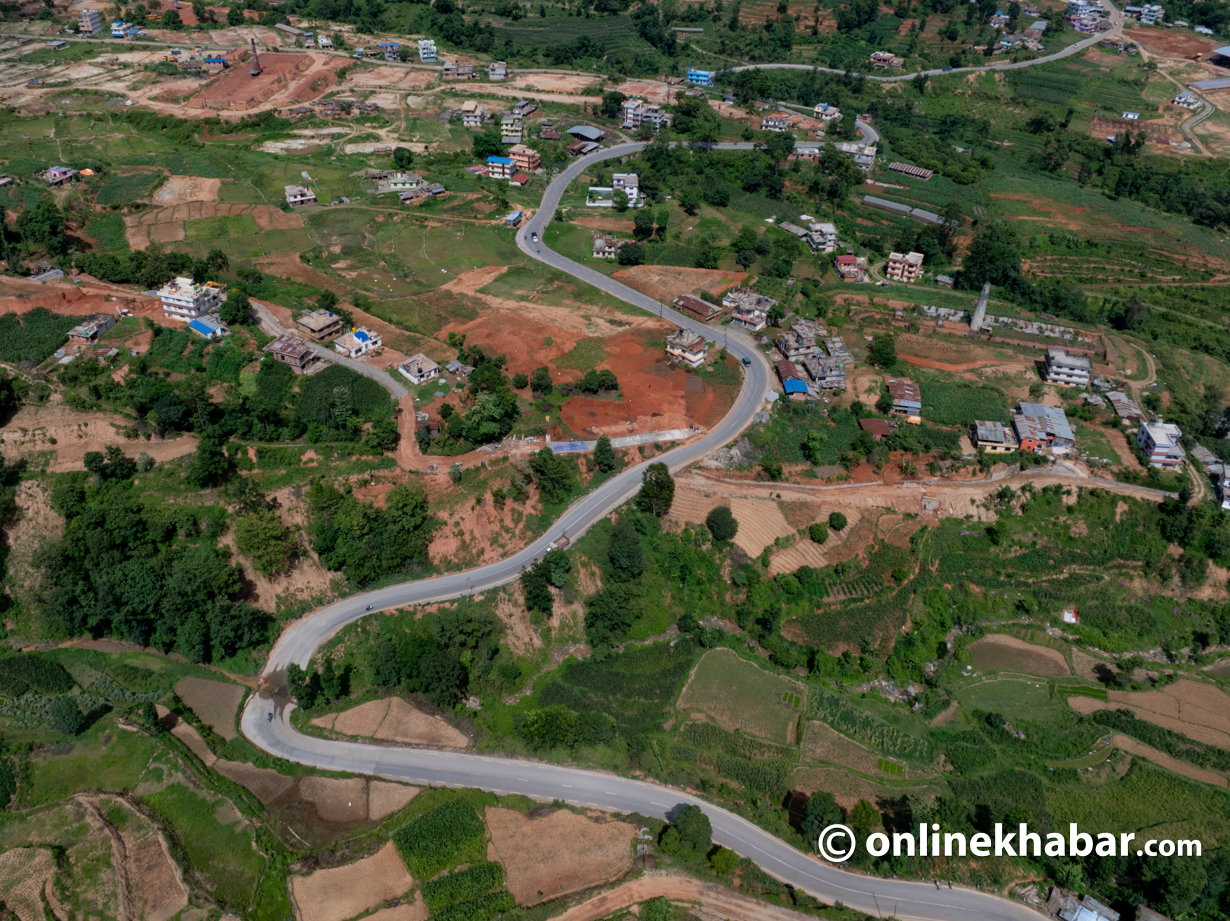
Similarly, the Mahendra Highway can be developed as a South Asian tourism corridor. Expanding this route—which connects to Uttar Pradesh, Bihar, West Bengal in India, and Bangladesh—into an eight-lane modern highway could attract millions of tourists from these neighboring countries traveling overland to Nepal.
Currently, access to Mount Everest remains heavily dependent on Lukla Airport. Unpredictable weather often strands thousands of tourists, causing recurring issues. By promoting the ‘Everest Highway’ concept based on Lukla and expanding secure road networks, Nepal can brand this route as one of the world’s most thrilling mountain road journeys, creating a novel ‘adventure road tourism’ market.
Air Travel and Visa Reforms
Most foreign visitors to Nepal face air travel challenges at the outset. Limited international flights, costly tickets, weak air traffic management, and disorganized airport services have hampered tourism growth. Fully operational Pokhara and Gautam Buddha International Airports could accelerate tourism by reducing congestion centered on Kathmandu and expanding regional tourism.
Since beginning commercial operations in 1950, Tribhuvan International Airport has continuously offered flights, but it is now too narrow to handle growing demand. Delays and stacking of both domestic and international flights are common. Establishing an alternative domestic airport within 60 kilometers can alleviate pressure, increasing capacity by 200 to 250 percent.
The under-construction Nijgadh International Airport has potential to become a long-term South Asian transit hub. Currently, many travelers from Australia, New Zealand, and Asia transit through Dubai, Doha, Singapore, or Bangkok. Nepal could learn from this model and develop Bhairahawa and Nijgadh as ‘transit-tourism centers,’ boosting tourist influx.
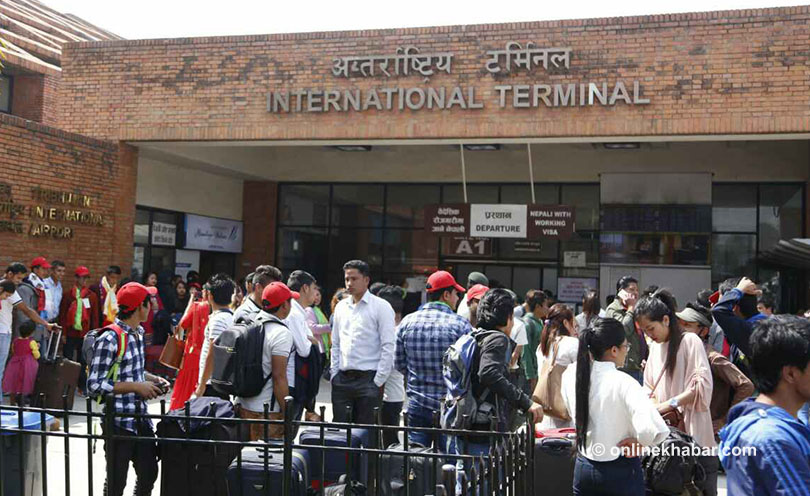
Since 2013, Nepal’s aviation sector has been on the European Union’s blacklist, posing another major challenge. The ruling Janata Samajbadi Party has acknowledged this issue in its manifesto, and resolving it could significantly enhance Nepal’s international aviation credibility. The government must prioritize safety improvements, technical proficiency, and adherence to international standards. Revitalizing Nepal Airlines with modern aircraft, strategic partnerships, efficient management, and competitive services would substantially support tourism growth.
In today’s digital era, tourists expect quick and seamless services, yet Nepal still faces cumbersome visa, permit, and administrative procedures. Implementing a fully digital e-visa system with online applications, digital payments, multilingual support, and rapid approvals would make Nepal far more tourist-friendly.
Emerging Tourism Markets
Historically, Nepal’s tourism focused mainly on mountains, trekking, and religious visits. However, global tourism demand has shifted, with travelers seeking diverse experiences. Nepal should now develop varied experience-based tourism products. Lumbini can be developed as a global Buddhist tourism hub featuring a ‘Buddhism Theme Park,’ international meditation centers, and Buddha conferences.
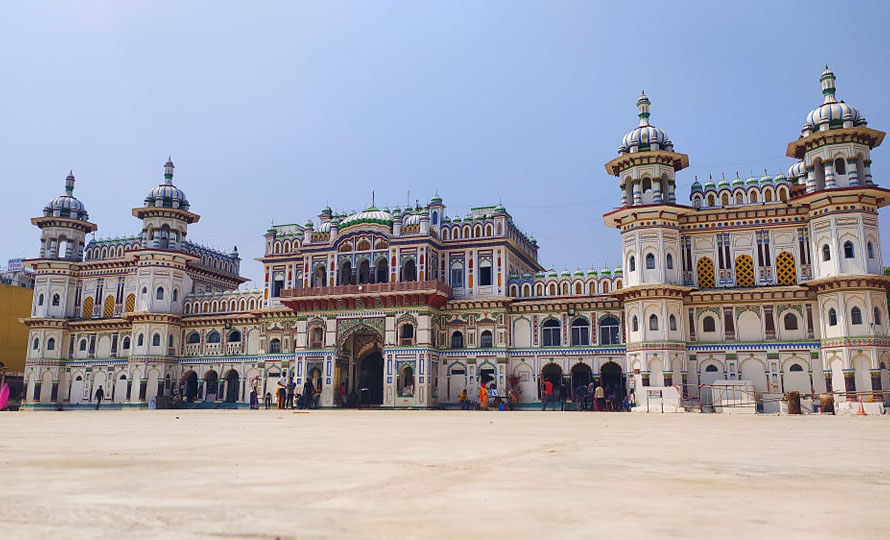
Similarly, Janakpur Dham can be promoted as an international center for wedding and cultural tourism. Branding festivals like the Ramsita Wedding Festival globally could generate substantial attraction within South Asian religious tourism. Prime Minister Balendra Shah has shown keen interest in this area, which is a positive indicator for Nepal’s tourism sector.
Developing modern amusement parks in the Terai region could attract family tourists from India. Additionally, sectors like agro-tourism, homestays, rural tourism, yoga and meditation tourism, medical tourism, wellness tourism, film tourism, digital nomad tourism, and MICE (Meetings, Incentives, Conferences, and Exhibitions) tourism can be expanded innovatively. Connecting organic farming, village culture, Himalayan lifestyles, medicinal herbs, and natural serenity with tourism could energize the rural economy.
Promotion and Branding
Today’s tourism market is driven by social media, YouTube, films, and digital content. People want to visit places featured in movies or web series. Nepal should attract Bollywood, Hollywood, Chinese, Korean, and other international film industries by simplifying permissions, offering tax incentives, developing modern filming infrastructure, and expediting administrative processes. Promoting Nepal annually as a filming location for diverse global productions will expose it to millions of viewers.
Simultaneously, collaborating with internationally renowned travel influencers, YouTubers, and digital content creators to conduct data-driven, multilingual, and targeted digital marketing campaigns is essential.
For India, strategies should target religious and family tourism; for China, Himalayan and luxury tourism; for Europe, adventure tourism; and for the United States, spiritual and experience-based tourism.
Engaging foreign individuals who study Nepal, write books, climb its mountains, or work in its tourism markets under a ‘Friends of Nepal’ campaign could be effective. Similarly, involving the Non-Resident Nepali Association (NRNA) in global tourism promotion efforts could enhance Nepal’s outreach.
Economic Impact
Achieving the goal of hosting 6.3 million foreign tourists by 2040 could drive historic economic transformation in Nepal. It could directly and indirectly generate nearly 5 million jobs. The hotel, transportation, agriculture, handicrafts, garment, information technology, entertainment, and service sectors would experience robust activity. Currently, tourism contributes around 6–7 percent to Nepal’s GDP; with a long-term strategy, this could rise to 10–15 percent in the coming years.
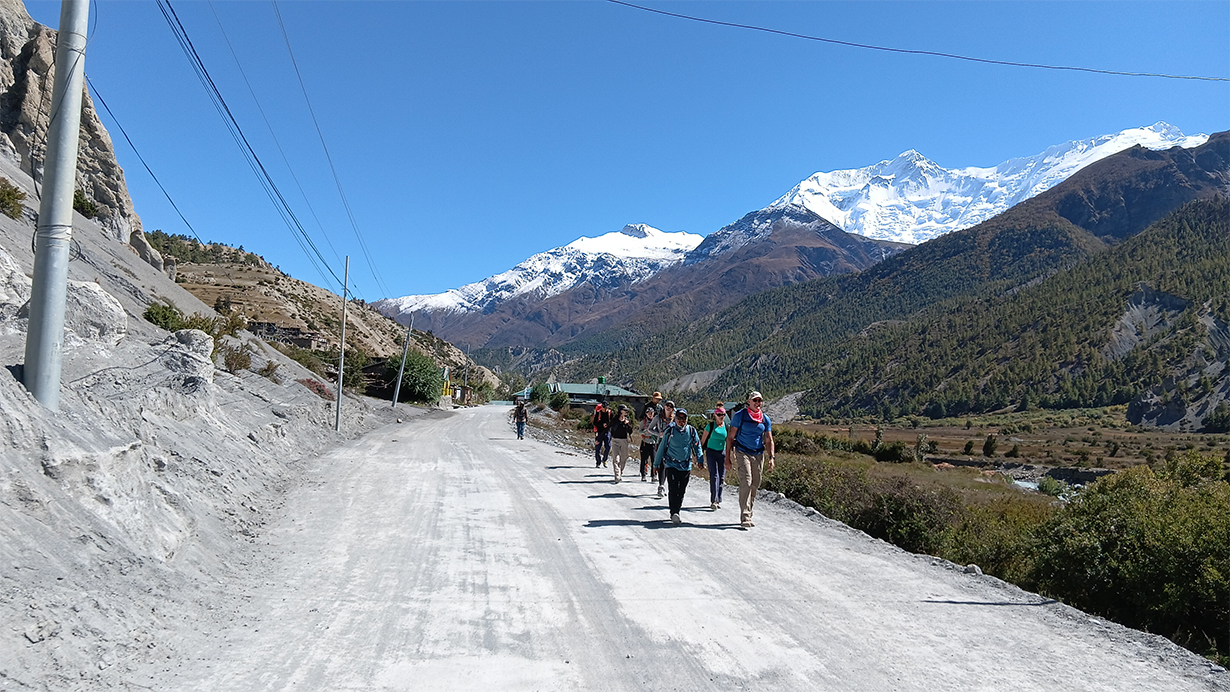
An increase in tourists will boost demand for agricultural products, raising farmers’ incomes. Markets for handicrafts and local goods will expand, fostering growth in small and medium enterprises. Crucially, young people pressured to seek employment abroad, especially in Gulf countries, may find ample opportunities domestically. The expansion of medical tourism, educational tourism, wellness tourism, and agro-tourism will open new doors.
Developing human capital will improve service quality, enhance tourist satisfaction, create jobs, and strengthen Nepal’s international image. Thus, preparing skilled, educated, and responsible personnel is fundamental to the country’s tourism development.
Challenges and Reforms
Tourism growth will also bring challenges, including environmental pressure, mountaineering pollution, waste management issues, unplanned urbanization, traffic congestion, commercialization of culture, political instability, and climate change. Therefore, tourism development must be sustainable, environmentally friendly, and well organized.
The Nepal Tourism Board should be restructured into a research-driven, professional, and results-oriented institution rather than a formal body. Transparent leadership, selection of qualified individuals, coordination with the private sector, and performance-based functioning can make the board more effective.
Tourism expansion is impossible without public-private partnership. Investment-friendly policies, tax exemptions, one-window systems, and streamlined legal frameworks are required. Without equal protection for both domestic and foreign investors, business confidence suffers, dampening economic growth; the state must remain vigilant in this regard.
While land provision for investment is a common state practice worldwide, in Nepal, there is a worrying trend of criminalizing such opportunities, deterring investors. Concrete government action is necessary to encourage investment enthusiasm.
Conclusion
Nepal has every foundation to become a tourism superpower. Its mountains, culture, spirituality, biodiversity, religious heritage, adventure sports, and natural beauty are unmatched strengths. However, potential alone is insufficient; vision, policy courage, modern infrastructure, world-class promotion, government-private sector cooperation, and most importantly, political commitment to placing tourism at the heart of the national economy are essential.
If Nepal can make sound decisions promptly, its goal to attract 6.3 million tourists by 2040 will not remain just a statistic but become the cornerstone of the country’s economic transformation. Tourism is not merely an industry; it is Nepal’s greatest opportunity to change its future.
(Pandey, former Vice President of the Pacific Asia Travel Association (PATA), has been involved in the tourism industry for 38 years.)