
Hope for Recovery of Encroached Land Fades Amid Border Dispute
May 2, Dhangadhi – Construction of the one-and-a-half-kilometer Hulaki Road section in Khapti Nala area, Ward No. 8, Belauri Municipality, Kanchanpur, has stalled due to a border dispute with India.
Out of the 62-kilometer stretch from Punarbas to Daiji, initiated in 2016, the road in this area remains unpaved because of continuous obstruction by the Indian Border Security Force (BSF). Local residents have been demanding resolution of the dispute to allow road construction for the past nine years.
However, as this concerns a bilateral issue, no decision has yet been reached regarding the disputed land. The road under construction is located just 20 meters inside Nepal’s territory from Nepal-India border pillar number 778/1(38), but Indian authorities persistently impede progress.
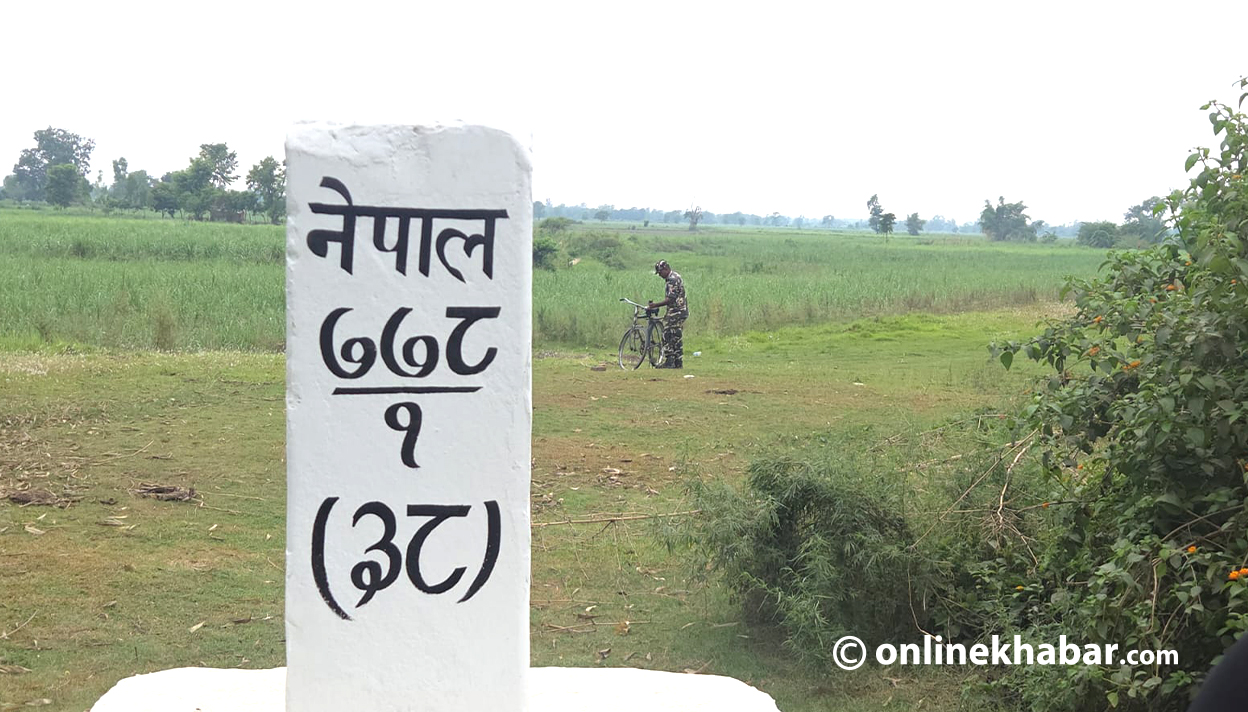
For years, Nepalese residents have been cultivating and using land on both sides near the boundary pillar, paying land revenue to the Nepal government.
Following Prime Minister Balen Shah’s statement claiming “Nepal has also encroached on Indian land,” locals engaged in the road construction and dispute resolution struggle in Belauri have grown increasingly frustrated.
Locals had voted for the National Independent Party (Raswapa) hoping for a resolution, but the Prime Minister’s remarks have left them disheartened.
Bhuvan Chaudhary of Belauri Municipality-8, who frequently uses the stalled Hulaki Road, complained about the difficulties caused by the Indian side’s blockade.
“There are many more parcels of land with ownership certificates across this road, which we still cultivate. Yet, the Indian BSF frequently obstructs us, claiming the land belongs to India, preventing road construction,” Chaudhary said. “If even the Prime Minister says we have encroached, how can the issue be resolved?”
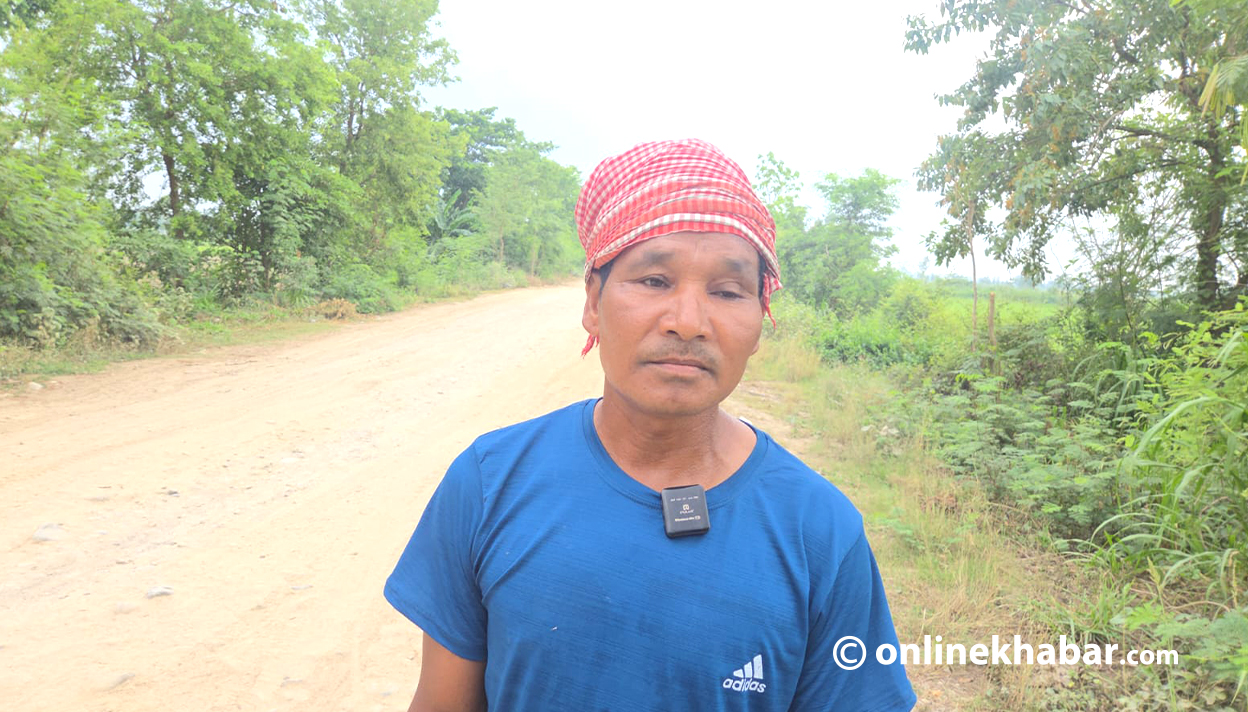
Chakra Bahadur Kathayat, a local resident from Belauri Municipality-10, Sadakghat, stated that although the land has been under Nepalese use for years, it appears on Indian maps, causing ongoing obstructions and hindering road construction. He also reported that some lands with Nepalese ownership certificates have been illegally occupied by Indian citizens and criticized the Prime Minister’s statement as not reflecting public sentiment.
“This issue is not limited to the Hulaki Road; Indian encroachment extends to lands with legitimate Nepalese land ownership certificates. The Prime Minister’s remarks in parliament do not align with the understanding of the local community,” Kathayat said. “It is painful to hear such statements when we border residents are already suffering.”
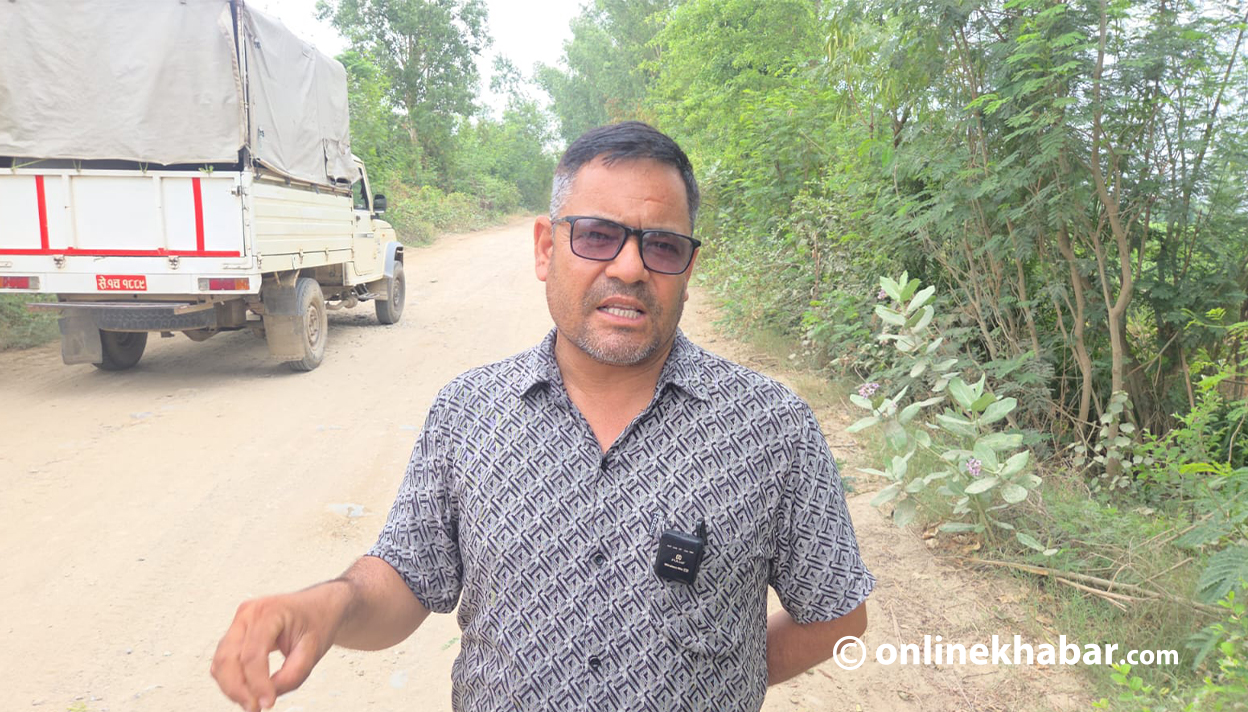
Kathayat reported that since 2024 B.S. (1967 A.D.), many people in Belauri have suffered hardships as India has occupied lands officially titled to Nepalese owners.
He added that the Prime Minister’s statement has heightened tensions among locals. “We are already under pressure, and such remarks increase our fears. We worry further encroachment could occur,” he explained.
Hari Chand Thakuri, a brick kiln operator near Nepal-India Pillar No. 38 and long-time advocate in the border dispute, serves as the deputy chair of the Nepal-India Border Concern Committee. He expressed concern and anger over the Prime Minister’s remarks.
“The answer given by the Prime Minister in parliament was incorrect. Nepal has not encroached on Indian land,” Thakuri stated. “However, it is true that illegal occupation is taking place. We local residents oppose the Prime Minister’s statement strongly.”
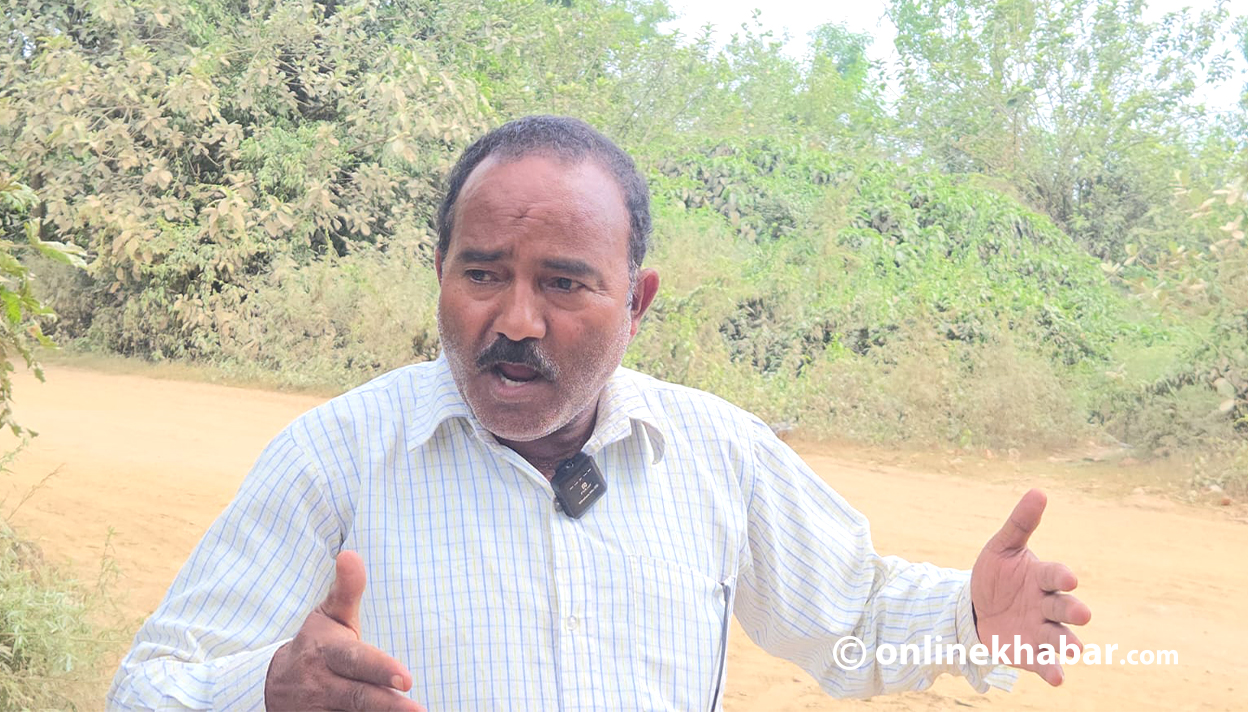
He questioned the reliability of leaders who claim to recover territories like Kalapani and Susta yet fail to secure lands that Nepalese locals continuously cultivate and legally own.
“If we have to abandon the land we have cultivated, how can these leaders be trusted to reclaim Kalapani and Susta?” Thakuri asked.
Thakuri also said he had believed Prime Minister Balen’s commitment to equitable negotiations with India and reclamation of encroached land, but his recent statements have disproved that hope.
India’s claim, based on a pre-2002 map, asserts some territory that lies within Nepalese borders under the new map. The current dispute surrounds an area approximately 250 meters inside Nepal beyond Pillar No. 38, which India has encroached upon causing ongoing problems.