Bhaichung Bhutia: ‘Watching Nepali Players Inspired Me in Football’
We had hoped that Indian football would advance significantly. However, over the last decade, instead of progressing, it seems we have taken a step backward.
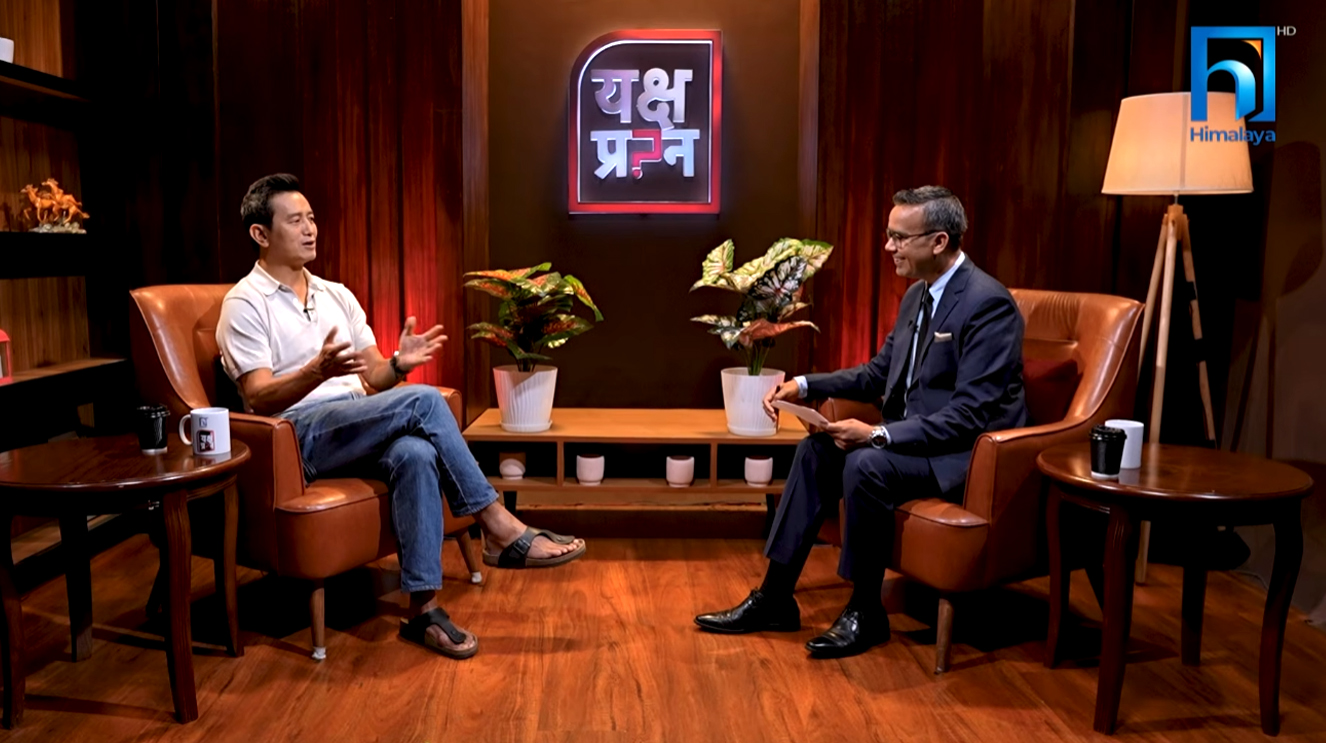
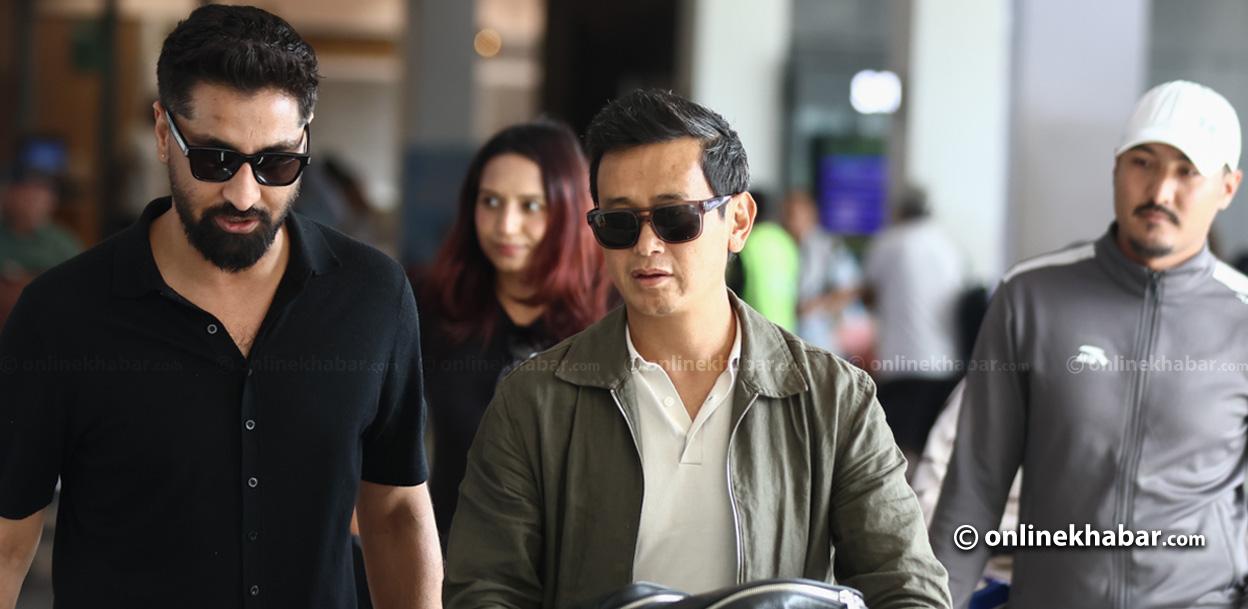
Former captain of the Indian football team and a South Asian football legend, Bhaichung Bhutia, visited Nepal last week. In an interview with Himalaya TV analyzing the World Cup, he shared his serious insights on the evolving nature of the World Cup, the role of technology in the game, and the current state of South Asian football.
Rising from a remote village in Sikkim, Bhutia shared his experience of putting Indian football on the international map, discussed his challenging childhood, his emotional bond with Nepal, and ongoing efforts to modernize football. He also openly addressed weaknesses in the football administrative systems of both Nepal and India, the ANFA suspension, and emphasized the importance of grassroots development in football.
This content covers a wide spectrum from the personal life of this renowned player to essential strategies and guidance needed for football reforms in Nepal and India. These are edited excerpts from the Himalaya TV program “Yaksha Prashna” featuring host Nimesh Banjade.
How was your experience coming to Nepal?
I feel very happy. I have visited Nepal many times since childhood for football. Throughout my football career, I have had strong relations with many Nepali players and senior athletes. When we were young, Nepali players used to come to Sikkim’s ‘Governors Gold Cup’ tournament and were star players. Nepal won that competition many times. Watching special players like Mani Shah Dai, Raju Dai, and the long-popular Rajesh Dai greatly inspired me.
Even today, there are senior Nepali players like Ganesh Thapa, who played alongside me at East Bengal Club and in India. Friends like Hari Khadka and coach Balgopal Maharjan are here as well. I am close to many friends and family here. When I was studying in Gangtok, many students from Nepal came, deepening my connection with Nepal. Coming to Nepal is always a pleasure.
What do you like most about Nepal?
I see many positive changes in Nepal. The best thing is the family and friends — meeting them brings joy. No matter where I go, meeting friends and their families makes me happy.
How do you find commentating for Himalaya Sports for Nepali audiences; what do you think of this World Cup?
First, I want to thank Himalaya Sports. Coming to Nepal is a great opportunity for me. Initially, I had an agreement with an Indian sports channel, but after Himalaya Sports offered me the chance, I was motivated and decided to take a five-six day break to come here. The commentary experience has been excellent. After finishing this, I will return to India.
How does this World Cup compare to previous ones?
This World Cup is very colorful with many countries participating. In a world where wars and conflicts exist, this World Cup conveys a message of unity and peace. Being co-hosted by the United States, fans have come from diverse parts of the world. War is created by leaders, but people want peace, which the World Cup clearly demonstrates.
How effective are the new rules and technologies in this World Cup?
The new rules have made the game more active — for example, players must leave the field within 10 seconds when substituted and stay off for one minute if injured. Technologies like referee cameras, touchline technology, and Video Assistant Referee (VAR) have reduced offsides and goal controversies.
Is VAR fair or does it increase controversies?
VAR has both advantages and disadvantages. It makes decisions fairer but can interrupt the flow of the game, which sometimes frustrates viewers. Still, it helps direct decisions in the right direction.
What has changed the most in modern football — strategy, fitness, or technology?
The biggest change is in strategy. Every team now plays by thoroughly analyzing the opponents and studying statistics. The game has become a structured process. When everything is managed, football sometimes feels like a computer game, which wasn’t the case before.
How do you compare the old stars and new young players in this World Cup?
In my time, the Brazilian Ronaldo and Romário era was dominant, later Messi and Cristiano Ronaldo took over world football dominance. This may be their last World Cup. Messi is performing excellently with five goals, while Ronaldo scored two in the last match. Upcoming players like Mbappé, Spain’s Lamine Yamal, and Norway’s Erling Haaland will lead football in the coming decade.
Which is the strongest team?
This World Cup is highly competitive; not five or six, but seven to eight teams are contenders. Twenty to thirty years ago, Brazil was naturally the main favorite, but now I wouldn’t place Brazil even in the top eight. They are ‘dark horses’; strong but hard to consider top five.
Football culture in Nepal is larger than in India because the cultural environment plays an important role in football development. France, Argentina, Spain, England, and Portugal all have strong teams. Ronaldo’s individual performance will be supported by the team for success.
Has Ronaldo’s performance declined?
Ronaldo is among the greatest players worldwide. Naturally, age brings a decline in speed. Messi’s playing style is different; he creates plays and dribbles. Portugal has excellent players, so good team support increases their chances of success.
Which teams do you think will reach the final? Also, your thoughts on Messi and Ronaldo’s possible last final experience?
FIFA World Cups often produce surprising results. However, France, England, Spain, and Argentina are the main contenders. Teams like Cape Verde playing their first World Cup have performed well. Ronaldo is not among the top four now, but future matches will reveal more.
How are Asian teams performing?
Japan is the strongest Asian team. Some key players are injured; if they recover, Japan has a chance to reach the finals. Australia and Iran have also performed well. Asian football’s development is hopeful, led by Japan.
If you had a chance to play in the World Cup, which country would you prefer to face?
(Laughing) I would like to play against the weakest teams. Playing lower-ranked teams offers a good experience. But seriously, playing against Messi and Cristiano Ronaldo would be a fantastic opportunity.
How was your childhood? Please share about your family and upbringing.
I was born and raised in Tinkitam village in Sikkim. My parents were farmers. My father was in the village council and enjoyed organizing football competitions. My elder brother Pema Chiring Raptan was a good player. I consider myself lucky to have received a football scholarship at that time.
When did you receive the scholarship?
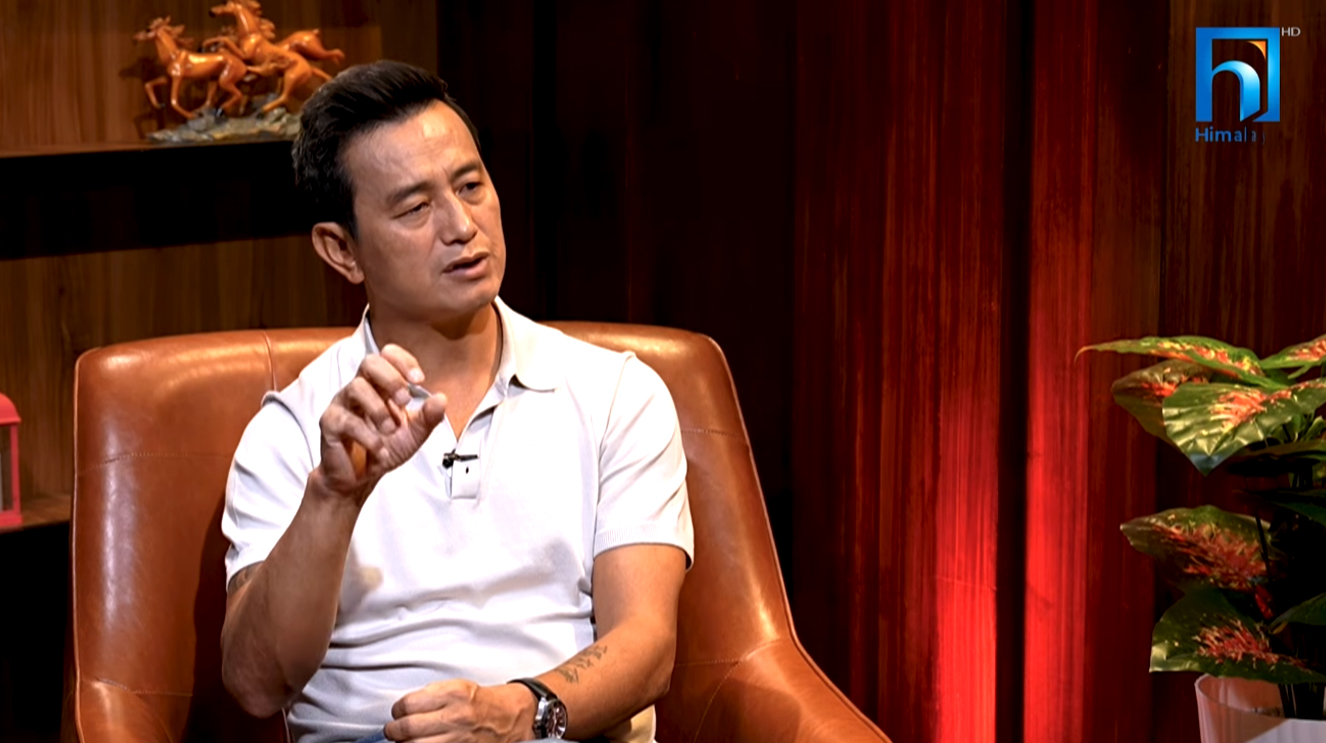
In 1986-87, at the age of 11, I was granted a football scholarship. The Indian government had started the ‘NSTC’ program which awarded scholarships to talented children under 11. I was the first batch footballer under this scheme.
Afterwards, I had opportunities to play in national school competitions. Being declared the best player, I was selected for India’s under-16 team. I am fortunate to have played for the national team at every age group.
I left Sikkim after class 10 in 1993 and started full-time professional football in 1994. In 1995, I got the chance to play for the Indian national team.
Did you also play against Nepal in 1997?
Yes, I played for India in the 1997 South Asian Football Federation (SAFF) Cup held in Kathmandu. We defeated Maldives in the final to win the title. Nepal was the host.
Who inspired you during childhood?
The scholarship helped me focus on football. There was no TV and limited information then. We grew inspired by local players. Sikkim’s ‘Governors Gold Cup’ was very popular and Nepali players had a strong impact. Mani Shah Dai was often called ‘Maradona’.
What are your greatest achievements?
I hold the record for longest captaincy of the Indian national team from 1999 to 2011. I was the first Indian to play 100 international matches. I am also the first Indian to play football professionally in Europe. Personal honors include the Arjuna Award, Padma Shri, and induction into the Asian Football Hall of Fame. As a team, we won the AFC Challenge Cup and qualified India for the Asia Cup after 24 years.
What have victories and losses taught you?
Both teach valuable lessons. Defeat shows weaknesses and motivates improvement, while victory teaches humility. Consistent practice and hard work are keys to success.
How have you contributed to grassroots football post-retirement?
I retired in 2010 and since then have been active in grassroots football. I established the ‘Bhaichung Bhutia Football Schools.’ In partnership with a football school in Portugal, we run India’s largest grassroots program training around 1,500 children.
What is ‘United Sikkim FC’?
It is my own club, founded in 2006. Within two years of going professional, it reached India’s top league. Due to financial difficulties, the club became semi-professional but remains active.
How did you enter politics?
I had not planned on politics. It came after football. I spent two years with TMC in West Bengal and later retired to form the ‘Our Sikkim Party’. My goal is to contribute to Sikkim’s development.
I want to take steps to make Sikkim capable and self-reliant. Football took me to 55 countries, and I want to use that experience for Sikkim’s progress.
What challenges do you face in politics?
Success in sports depends on hard work, but in politics, it depends on gaining people’s trust. It’s challenging to compete with leaders who have political experience.
The toughest part is winning people’s hearts.
After quitting politics, I have found mental peace. The future is uncertain.
What businesses do you pursue beyond football?
I remain connected to football and also work in hospitality. I run a large restaurant named ‘GOT’ in Siliguri and operate premium homestays in Sikkim. I am establishing and expanding a football academy in Bagdogra.
What differences do you notice between Indian football during your playing days and today?
There is about 19-20% difference in playing level, but overall, it’s similar. Indian football has not progressed as expected. The Indian Super League started with investments in clubs, but the team’s FIFA ranking has dropped. The main challenges are lack of long-term planning and insufficient attention to grassroots football.
Why hasn’t Indian football succeeded despite such investment?
Success is impossible without appointing the right people. Leadership has been consistent for a long time but changes have been minimal. Recently, with a Supreme Court case, former players were given voting rights.
Is there a lack of talent?
India has abundant talent but they need proper training and opportunities.
How much does politics influence football administration?
Politics has a big impact. Leadership is chosen from state associations. Football is a grassroots game, but state associations have not run effective grassroots programs.
When leaders prioritize convenience over work, football development stalls. We are fighting for change.
Why has football not gained the popularity cricket has?
Cricket involves more financial investment and is played by fewer countries, hence higher popularity. Cricket has had consistent success, football has not, so support stays with successful teams.
Reaching the World Cup from Asia is very difficult. Nepal has a stronger football culture than India. Small countries often perform better in football.
What should Nepal do to excel in world football?
Nepal needs to build many small futsal courts. Before Spain developed its tiki-taka style, they had millions of small futsal courts where children played, which fostered football development.
Player and coach training must include teaching positive interaction and encouragement toward children. Foreign coaches should be brought in to train Nepali coaches.
For small countries, small pitches and local competitions should be a priority. Money doesn’t make great players — natural talent and a nurturing playing environment do.
What common issues do the football administrative systems of Nepal and India share?
Both show arrogance, self-interest, and greed. Football is for the country and society, not for private companies. Leadership should rotate regularly, with fixed term limits.
Why do leaders cling to their positions?
It’s not only about money but also the perks and opportunities, such as attending World Cups and enjoying the privileges of their positions.
The leadership system needs reform. The most important thing is football development.
What impact does the FIFA suspension have on Nepal?
Suspension would prevent the national team from playing international matches, affect club tournaments, and possibly cause football to decline. The government, ANFA, players, and clubs must collaborate to find a resolution. The old constitution needs amendment.
A message for disappointed Nepali football fans and players?
I have a deep bond with Nepal. The SAFF competition introduced many Nepali players. I always see Nepal and India as close. Nepal has a strong football culture, and with the right direction, it can progress significantly.
All stakeholders must work together to advance football. The future should create an environment where any team from the SAFF region can reach the World Cup.
How are Nepali players currently?
I don’t personally know many players because I haven’t watched many Nepali games lately. However, I have met some players through Himalaya Sports.
Messi or Ronaldo?
Brazilian Ronaldo. Both Messi and Ronaldo are great, but our generation watched Brazilian Ronaldo play.
Who was the toughest defender you faced?
Nepali Rajesh Dai. He was 6 feet tall, tied his hair while playing, and was a formidable defender. His style inspired us.
Most memorable goal?
Diego Maradona’s goal against England in the 1986 World Cup. Watching that goal in childhood inspired me.
Favorite stadium?
Salt Lake Stadium in Kolkata.
Favorite coach?
Bob Houghton.
Most emotional match?
The AFC Challenge Cup final when India qualified for the Asia Cup after 24 years.
If you could play again, which tournament would you choose?
The Asia Cup. We qualified after 24 years, but I couldn’t play many games due to injury.
Describe Nepali football in one word.
Immense potential.
Describe Indian football in one sentence.
Great potential yet to be fully realized.
Who will win this World Cup?
It’s tough to say. I think either France or England will win.