
How Impulse Can Lead to Violent Incidents
News Summary
Editorially Reviewed.
- On the evening of 27 Chaitra, Sumit and Sirjan Nembang were seriously injured after being stabbed at Patan Krishna Temple in Lalitpur.
- The police have arrested 32-year-old Sanjiv Nepali and his accomplices; initial investigations indicate the incident was driven by impulsive anger.
- Psychiatrists state that lack of impulse control and personality-related issues can lead to such violent events.
27 Chaitra, Kathmandu – As the evening was fading, Patan’s Krishna Temple was bustling with tourists and locals. Suddenly, screams shattered the peaceful ambiance.
Within moments, the tranquil environment turned into panic. Sumit Nembang, 33, originally from Jhapa and residing in Lalitpur, and his 25-year-old brother Sirjan Nembang were attacked with a knife. The assailant was identified as 32-year-old Sanjiv Nepali (Sanju). The incident occurred around 7:30 PM on Wednesday.
Both victims were rushed to B&B Hospital in Lalitpur for urgent treatment. However, by 8:30 PM, doctors declared them dead. The two were siblings.
How did the incident take place?
Earlier in the day, Sumit and Sirjan had set out with their uncle, Basanta Nembang, to Mangolbazar. While touring the Patan Durbar area, Sumit called a friend but mistakenly dialed a wrong number belonging to Sanjiv Nepali from Bhoudhok, Lalitpur Metropolitan City. Neither of them knew each other prior to this call.
During their first phone conversation, a dispute arose. After realizing the mistake, Sumit ended the call, but Sanjiv repeatedly attempted to call back. According to Lalitpur Police Chief SSP Hobindra Bogati, Sanjiv asked Sumit over the phone, “Where are you?” Upon learning Sumit was in Mangolbazar, Sanjiv suggested meeting there.
Verbal abuses were exchanged over the phone. Later, around 7:30 PM, the Nembang brothers and three friends arrived at Krishna Temple in Mangolbazar. Soon after, Sanjiv and his friend Gagan Sunar arrived on a scooter.
Both groups met there. Sirjan and his friends sat downstairs while Sanjiv’s group was also seated nearby. Sumit and Sanjiv went upstairs via the temple steps. The conversation turned heated and led to a fight. At that moment, Sanjiv pulled out a knife.
According to Bogati, Sumit grabbed Sanjiv’s arm holding the knife and punched him, but Sanjiv freed his arm and stabbed Sumit in the neck. Sumit collapsed immediately. After injuring Sumit, Sanjiv descended the temple steps.
Sirjan tried to stop him, but Sanjiv stabbed Sirjan in the stomach and neck as well. Sirjan was severely wounded and also collapsed at the scene. Police have taken Sanjiv into custody and are conducting further investigations.

The Psychological Perspective
This incident raises the psychological question: how do impulses drive someone to make such critical decisions?
Psychiatrists identify intense impulse as the primary cause. Initial investigations also point to anger and agitation triggering the event. Lalitpur SSP Hobindra Bogati confirmed that the incident stemmed from impulsiveness and provocation.
According to Dr. Sagunballabh Pant, rapid impulses and losing control over them can cause such incidents. While anger is a normal emotional response, excessive anger impairs the ability to think through causes and consequences, which may result in accidents.
The brain’s frontal lobe, specifically the pre-frontal cortex, signals risks and possible outcomes. In normal circumstances, individuals heed this warning, preventing escalation. Yet, excessive impulses reduce this thinking capacity, making it difficult to manage anger, resulting in violence.
Sometimes, personality-related disorders weaken impulse control. Conditions like antisocial personality disorder, sociopathy, or psychopathy further diminish control, potentially provoking severe violent acts in moments of anger or excitement.
Personality-Related Issues
Dr. Rishabh Koirala explains that people’s temperaments vary; some are quick-tempered and aggressive by nature, often linked to personality disorders. Such disorders are categorized under personality disorder groups.
Dr. Pant notes that to fully comprehend the incident, it is important to study the accused’s background, mental condition, substance use, and impulse control capabilities.
When a person cannot manage their emotions, it is termed “Impulse Control Disorder,” leading to impulsive decisions and serious consequences. In the Lalitpur incident, both impulse and inherent temperament played significant roles.
Dr. Koirala states, ‘Ordinary disputes don’t involve someone carrying a knife; that indicates a pre-existing aggressive mindset.’
Some individuals regret their actions afterward, but others do not consider the repercussions. When emotions dominate, the ability to immediately evaluate consequences is diminished, potentially resulting in violent outcomes fueled by brief impulses.
Dr. Pant adds, “Psychological evaluation may be necessary to understand how the situation escalated to such extremes.”
People respond differently to insults, challenges, or domination. Some ignore provocations, while others engage in major conflicts.
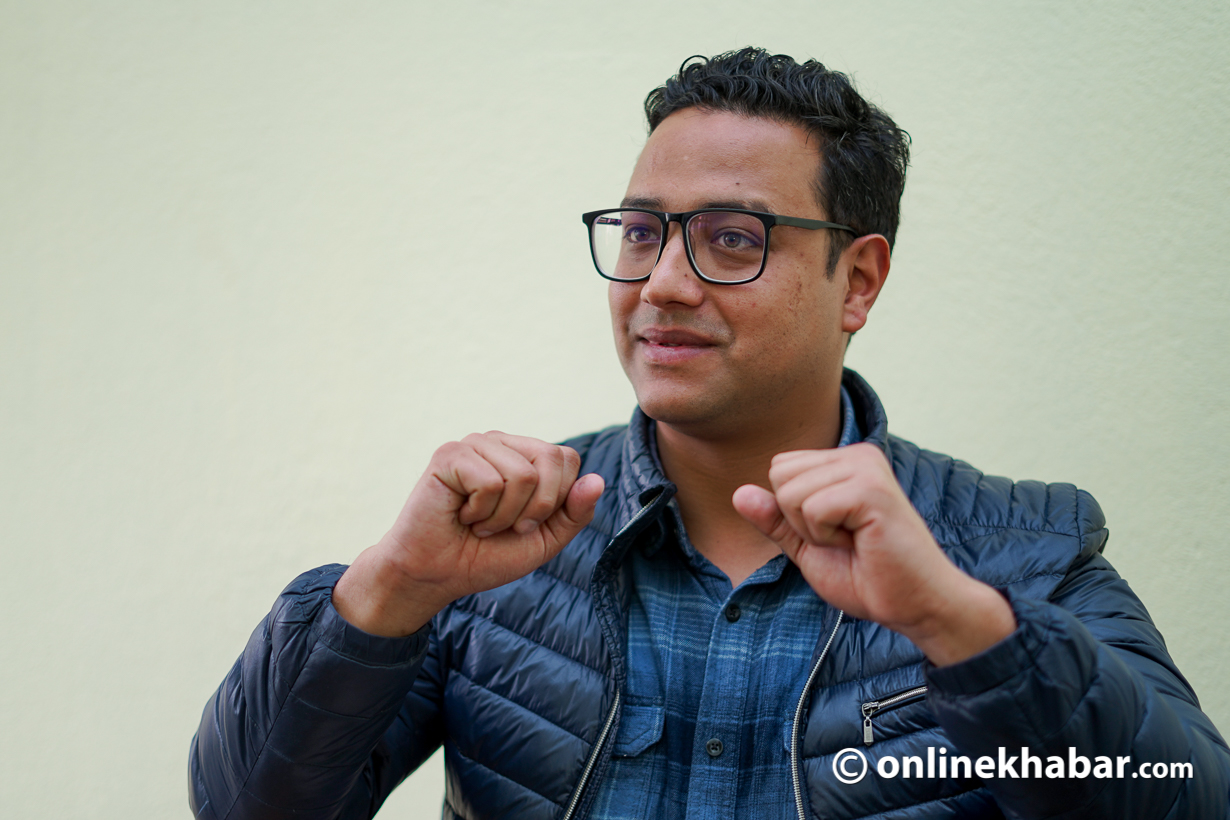
Substance abuse can also impair impulse control. Dr. Koirala cautions against directly attributing crimes solely to mental illness.
“Most individuals involved in violent incidents are ordinary people. Those with mental illness occasionally make headlines, but most crimes arise from normal temperaments and circumstances,” Koirala explains.
Psychiatrists agree that individuals with excessive anger or aggressive tendencies can improve behavior through counseling and treatment.
Dr. Pant emphasizes that to curb the rising impulse-driven violence in society, people must learn to recognize emotional triggers, manage anger, and exercise restraint during disputes.
Dr. Koirala states, “If someone shows difficulty controlling anger, seeking counseling or professional mental health support is crucial. Early intervention can prevent such tragic events.”