10 Plant-Based Foods Rich in Protein: Ample Protein Without Meat
One cup of unsweetened soy milk contains 7–8 grams of protein. Compared to cow’s milk, it has lower carbohydrates and fat.
Summary
- Plant-based diets can provide sufficient and high-quality protein that supports body growth and strengthens immunity.
- Legumes, sprouted pulses, seitan, leafy greens, soy milk, nuts, oats, chia seeds, fruits, and dairy products are important vegetarian sources of protein.
- Excessive protein intake may cause constipation and kidney issues, whereas a high-protein diet can aid in weight loss.
Protein is an essential nutrient for a healthy lifestyle, yet many still believe it comes primarily from meat or eggs. However, it is entirely possible to obtain sufficient and quality protein from vegetarian foods. Protein plays a vital role not only in body development but also in boosting immunity. Interestingly, plant-based proteins have been shown to reduce the risk of chronic illnesses like heart disease, cancer, and hypertension.
Every cell in our body contains protein, making it crucial for cellular repair and new cell formation. Therefore, adequate protein intake is extremely important.
1. Lentils and Pulses
Lentils and pulses are excellent sources of protein. Regular consumption of mung beans, black beans, chickpeas, and kidney beans provides sufficient protein. For example, one cup of kidney beans contains 15 grams of protein along with potassium, complex carbohydrates, and 25% of the daily fiber requirement. Lentils and pulses offer an affordable, convenient, and effective protein option.
2. Seitan
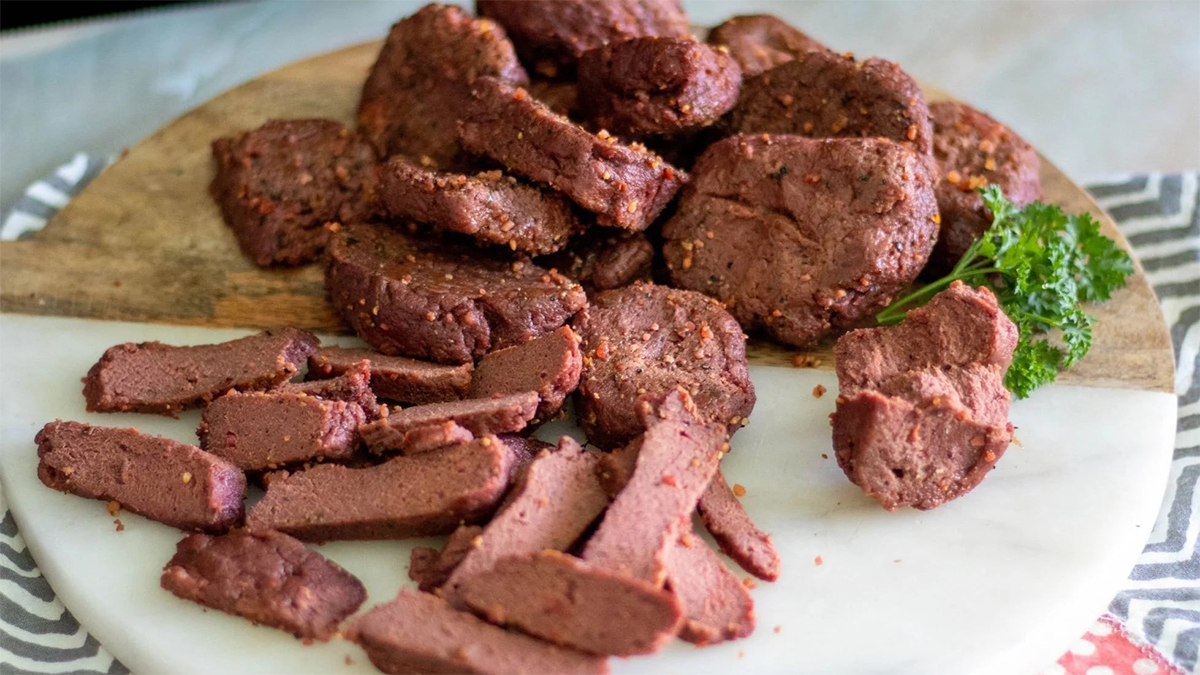
Seitan is very popular among vegetarians. It is made from gluten and contains 25 grams of protein per 100 grams, making it a strong protein source. Compared to tofu, it has less fat. It can be used easily in various dishes, but buyers should be cautious of adulteration.
3. Leafy Greens
We all know eating green leafy vegetables every day is good for health. In terms of protein, greens also provide ample amounts. One cup of cooked spinach contains 8–9 grams of protein while covering 30% of daily vitamin A, C, K, and fiber needs. Including leafy greens in your daily diet is beneficial.
4. Sprouted Pulses
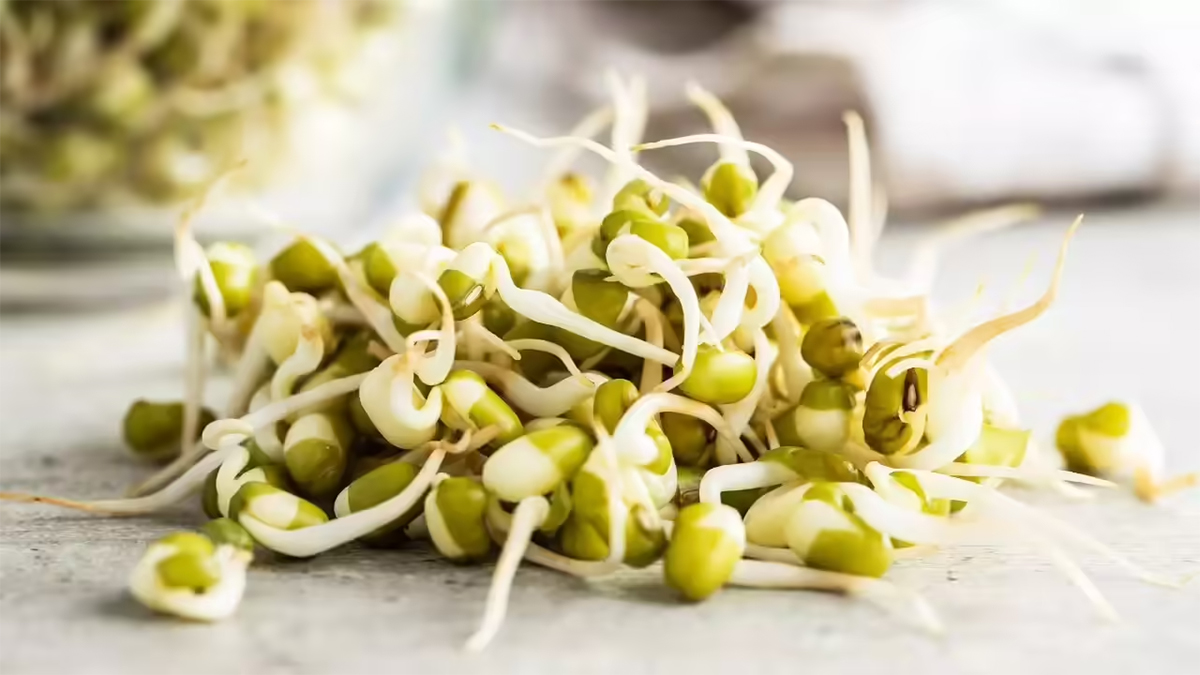
Sprouted pulses are a nutritional powerhouse, rich in easily digestible protein. Those aiming to lose weight should consume sprouted pulses regularly. Due to their high protein content, sprouted pulses are considered excellent vegetarian protein sources.
5. Soy Milk
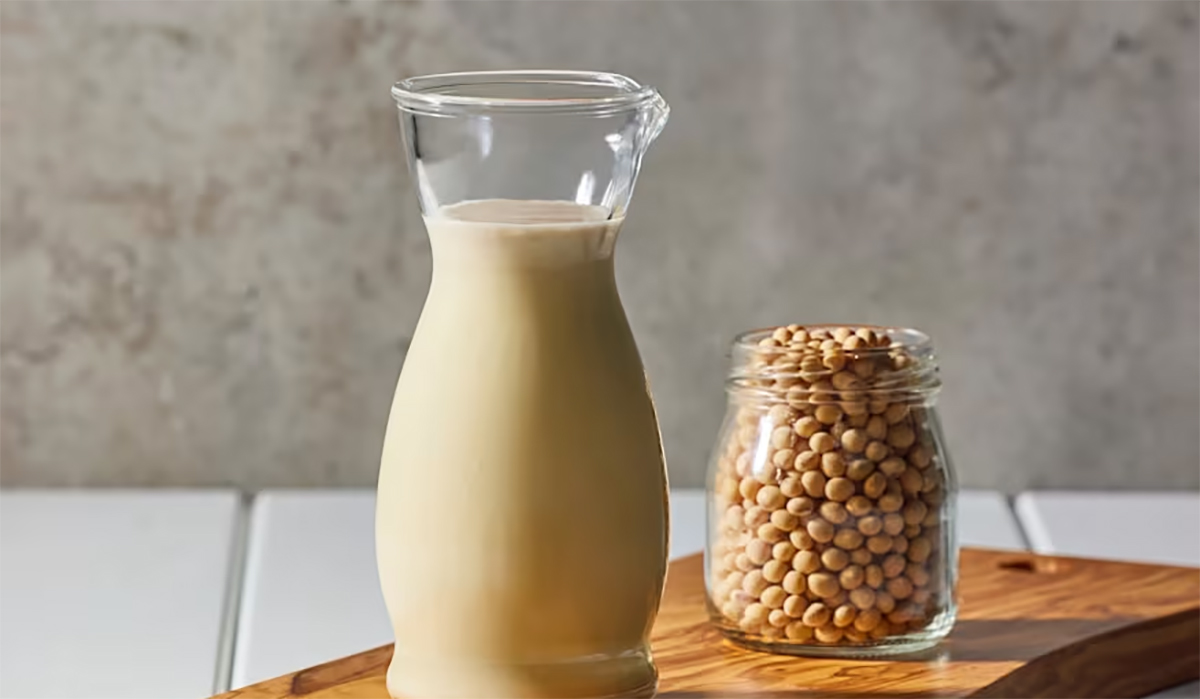
Milk is an excellent protein source. Soy milk, made from soybeans, is a beneficial alternative. One cup of unsweetened soy milk contains 7–8 grams of protein. It has lower carbohydrates and fat than cow’s milk and is ideal for those with lactose intolerance.
6. Nuts and Nut Butters
Nuts are considered superfoods. Almonds, walnuts, cashews, and others are high in protein. They also provide iron, calcium, and vitamins A and B. Starting your day by eating a handful of mixed nuts on an empty stomach is a good habit. Natural peanut butter is also a great protein source.
7. Oats
Oats are not only rich in protein but also an excellent source of soluble fiber and are easy to digest. A small cup of oats gives 5–6 grams of protein and fiber that helps reduce heart disease and cholesterol risks. Having a cup of oats for breakfast is an excellent start to the day.
8. Chia Seeds
Chia seeds have become popular superfoods. A 28-gram serving contains 5 grams of protein and 10 grams of fiber. They are good sources of amino acids that aid in protein absorption. Using organic chia seeds offers additional benefits.
9. Fruits
Fruits are often overlooked as protein sources, but avocado, jackfruit, and mango provide approximately 2 grams, 3 grams, and 2.5 grams of protein respectively. Combining them with other protein-rich foods ensures adequate intake while also providing antioxidants, fiber, and hydration.
10. Dairy Products
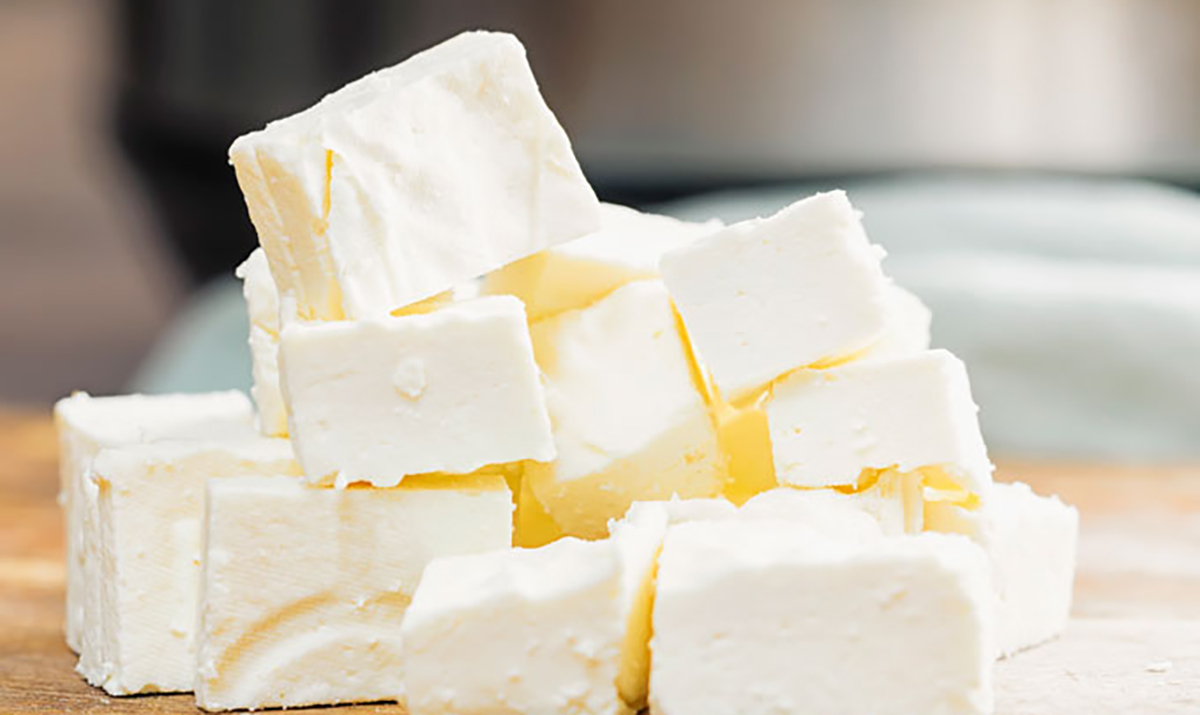
Dairy products like paneer, yogurt, and cheese contain good amounts of protein. Greek yogurt is the best, containing 15–18 grams of protein in a 6-ounce serving — three times that of regular yogurt. It is low in fat and rich in probiotics that help improve gut health.
Effects of Excessive Protein Intake
While sufficient protein is necessary, excessive consumption should be avoided. Overconsumption of any nutrient can pose health risks. Too much protein may cause constipation and kidney problems.
Does a High-Protein Diet Help with Weight Loss?
A high-protein diet can help with weight loss as it benefits the body in multiple ways. Protein keeps you feeling full for longer after meals, reducing the tendency to overeat and snack unnecessarily. Additionally, digesting protein requires more energy, which increases calorie expenditure. Foods like chia seeds and Greek yogurt, when consumed in appropriate amounts, support weight loss by providing sufficient protein.