
How Viktor Orbán’s 16-Year Rule Ended in Hungary
News Summary
- In Hungary’s election, the opposition Tisza party led by Péter Magyar won 138 out of 199 seats, ending the 16-year rule of authoritarian Prime Minister Viktor Orbán.
- Orbán conceded defeat, stating, “The result is clear and it is very painful for us,” while expressing respect for the people’s decision.
- Following the victory, Magyar declared, “We have freed Hungary from authoritarian shackles and brought the country back,” and pledged commitment to renewed European integration.
April 1, Kathmandu – On the night of April 12, 2026, the banks of Budapest’s Danube River were filled with a festive atmosphere. Millions of liberal protesters gathered as the historic chant, “Russians go home!” echoed once again.
This slogan originally came from the Soviet-era uprising of 1956, but 70 years later, the same call was raised in protest against Prime Minister Viktor Orbán’s rule. After 16 years of imposing an authoritarian style of governance in Hungary, Orbán’s power succumbed to popular will.
Orbán conceded defeat at 9:30 PM, offering no excuses and urged his supporters to be patient.
“The result is clear and it is deeply painful for us,” he said. “This time, we will not have the opportunity to govern; we must respect the people’s decision.”
Analysts say Orbán’s departure marks a new turning point in European politics. Criticized for his closeness to Russia, his defeat is being seen as a revival of democracy.
The opposition Tisza party, led by Péter Magyar, secured 138 out of 199 seats, achieving a historic two-thirds majority, while Orbán’s Fidesz party was limited to 55 seats.
Voter turnout reached 79.51 percent, the highest in Hungary’s history.
After the victory, Magyar addressed a massive crowd in Budapest, describing the win as a rebirth of the nation.
“We have completely dismantled the Orbán regime,” he said. “We have liberated Hungary from authoritarian chains and restored the country.”
The Rise and Fall of an Authoritarian System
Since taking office in 2010, Viktor Orbán built a controversial authoritarian democracy in Hungary, a system he himself called “illiberal democracy.” This system rejected Western liberal values and emphasized nationalist-Christian traditions.
Once in power, Orbán amended the constitution to exercise control over the judiciary. Over 80 percent of public media came under state and government-friendly business control.
He also redrew electoral districts to favor his Fidesz party and maintained power by mobilizing ethnic Hungarian voters from neighboring countries.
According to international news outlet Politico, the electoral system in place made Orbán nearly invincible for 16 years.
Having won 54 percent of the vote in 2022, the 2026 result was highly unexpected for Orbán, demonstrating the power of public opinion.
Péter Magyar: The Man Who Overturned Power
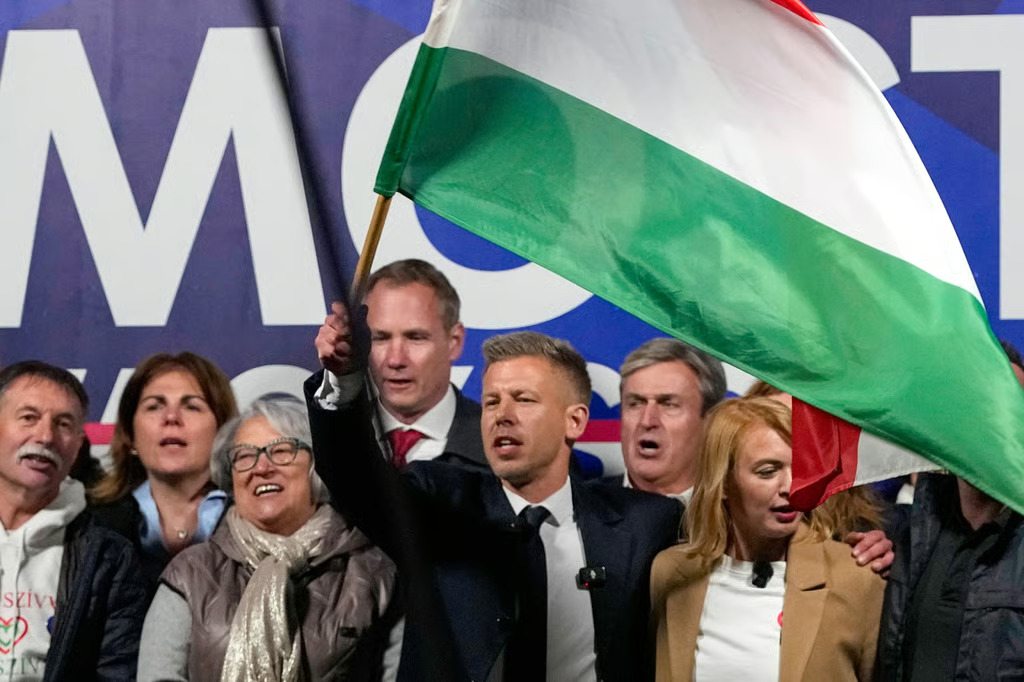
Péter Magyar, the figure behind this political upheaval, is not an unfamiliar face. Records show he previously worked as a supporter and ally of Orbán’s Fidesz party. His wife served as Minister of Justice in Orbán’s cabinet.
However, in 2024, after President Katalin Novák pardoned a child sexual abuse case, Magyar publicly criticized Orbán’s government and founded the new Tisza party.
Politico analyzed Magyar’s rise as the journey of a formidable critic emerging both from within and outside the system, earning him political and diplomatic credibility.
He avoided forming coalitions with traditional opposition parties, positioning Tisza as a single, central power. He successfully united left-wing, liberal, and center-right voters under one umbrella.
His ‘Don’t Be Afraid’ campaign had widespread impact among young supporters. According to Reuters, Tisza won 94 out of 106 constituencies, a surprising success that Orbán’s own electoral strategies could not prevent.
Public Hardship and Youth Rebellion
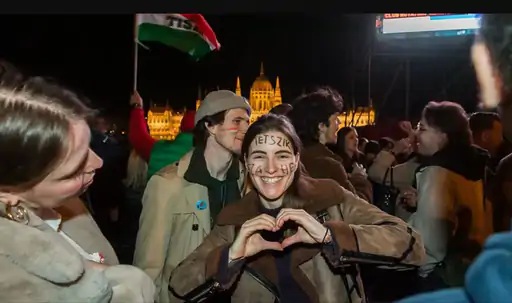
The main reason for Orbán’s defeat was the everyday pain and anger of ordinary citizens. After 16 years of nationalist slogans, people were overwhelmed by inflation and unemployment.
Between 2022 and 2026, inflation hit double digits, driving up food, energy, and housing costs, hitting the middle and lower-middle classes hard. Although the ‘price cap’ policy provided short-term relief, it caused longer-term market distortions.
Institutional corruption and economic decline fueled anger among the youth and middle class. The healthcare, education, and public transport sectors were also weak.
This social and economic crisis led to a mass youth uprising and increased political engagement among younger voters.
Youth Political Awakening
Analysis from Chatham House indicates that support for Fidesz among the 18 to 30 age group is under 10 percent, while over 70 percent support the Tisza party.
One young voter stated, “We are witnessing a housing crisis, brain drain, and the collapse of public services. Orbán no longer represents a bright future for us.”
Many young graduates and talented youth are migrating to Western Europe and the US. Magyar’s slogan “Bring Hungary back to Europe” struck a chord with these young voters.
Corruption and Inequality
Another reason for Orbán’s fall was widespread corruption and concentration of resources. Transparency International ranked Hungary as one of Europe’s most corrupt countries.
Government-friendly businessmen controlled national assets, public contracts, and development projects. Foreign investors were pressured to align with government-preferred ventures.
Identity Conflict and Orbán’s Moral Decline
Orbán promoted ‘Christian values,’ ‘traditional family policies,’ and ‘anti-immigration’ ideologies but faced moral crisis when a presidential pardon in a child sexual abuse case ignited public outrage.
Magyar framed this as a symbol of a corrupt and hypocritical government, raising questions about its moral legitimacy and eroding Orbán’s invincibility.
Magyar positioned the election as a choice between East and West for Hungary’s future. In recent years, Orbán’s closeness to Russia and China alienated many voters.
The European Union welcomed this political change enthusiastically. The European Commission president stated that Hungary has clearly chosen Europe.
This victory is seen as a step back toward European democratic values for Hungary.
EU Fund Suspension and Chinese Investment Challenges
Economic mismanagement and misguided foreign investment policies weakened Hungary’s capital. The European Union froze over €20 billion in funds, stalling major projects.
Orbán’s ‘Eastern Opening’ policy had expanded trade with China, making Hungary a significant hub for Chinese investment in Europe.
While this strategy brought some economic benefits, it also increased debt burdens and created trade imbalances favoring Chinese imports.
Effective Public Counteraction Against Institutional Control
Orbán’s regime was cited as an example of democratic decay, controlling 80 percent of the media.
However, in this election, social media and independent digital outlets effectively mobilized opposition. The public overcame electoral gerrymandering and bias.
Strategic Factors
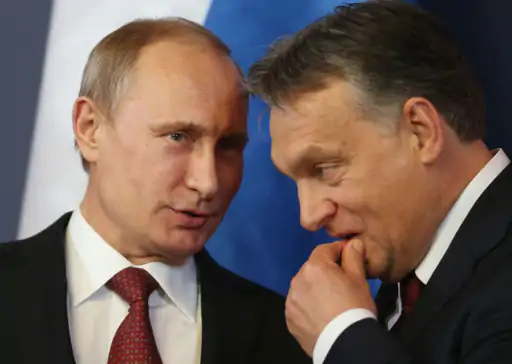
The Ukraine war altered Hungary’s geopolitical position significantly. Though Orbán sided with Russia, he vetoed €90 billion in aid to Ukraine, alienating the European Union.
His policy of maintaining dependence on Russian gas and oil challenged European unity on energy security.
Opposition leader Magyar’s firm commitment to NATO and the EU attracted significant voter support.
Enthusiasm Across Europe, Concern in Moscow and Beijing
The election outcome sparked diverse reactions worldwide.
The European Commission president celebrated a revitalized European heart in Hungary.
French President Macron and German Chancellor Merkel hailed it as a victory for European values and expressed hopes for cooperation.
Ukrainian President Zelensky expressed optimism that this would remove obstacles to aid packages, while Poland’s Prime Minister declared a return of democracy.
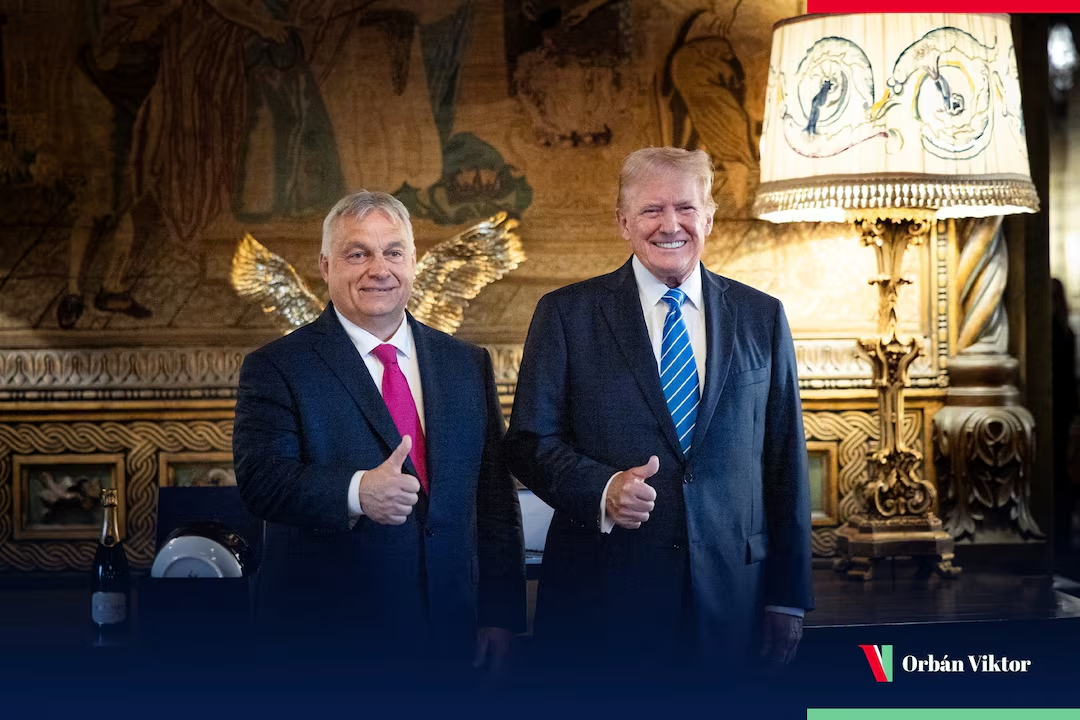
Political analysts viewed the result as a personal defeat for both US President Trump and Russian President Putin.
Impact on Chinese Investments
During Orbán’s era, Hungary was considered Beijing’s closest ally in Europe but faced criticism within the EU as a “Trojan horse.”
In February 2026, Chinese Foreign Minister Wang Yi visited Budapest, emphasizing continued respect and cooperation between the two countries.
However, with Magyar’s government coming to power, this dynamic is expected to change. Magyar has pledged to make old secret agreements public, and the proposed foreign minister has declared she will not undermine European unity for Russian or Chinese interests.
According to the South China Morning Post, Tisza’s victory may lead to stricter EU regulatory reviews of Chinese companies.
This shift will have immediate, medium, and long-term effects. Currently, uncertainty has increased among Chinese investors, and some major companies have halted production.
In the medium term, Magyar’s government may support EU tariffs related to China. In the long term, this development may set a precedent for other countries.
Analysts contend that losing Hungary as its main ally in the EU presents a significant challenge for China, similar to Russia’s recent losses.
The Future of Hungary: Opportunities and Challenges
New Prime Minister Magyar has prioritized full integration with the European Union, anti-corruption efforts, and economic stability.
He plans to reverse institutional changes brought by Orbán and work to lift the EU funding freeze.
Nonetheless, challenges include obstruction from Fidesz as the main opposition and legal-economic complexities related to Chinese investment treaties.
Analysts suggest that working closely with the EU to reform China policies could make Magyar’s government a model for others.
Orbán’s defeat exposed the limits of global right-wing nationalism, showing that institutional control, media manipulation, and nationalist slogans cannot suppress public discontent indefinitely.