
Fuel Price Surge Impacts Economy on Multiple Fronts, Continuous Downward Pressure on Growth Rate
Summary
Reviewed and prepared.
- Due to the Iran–America conflict, diesel prices have surged from NPR 136 to NPR 237 per liter within four months.
- The World Bank, ADB, and IMF predict Nepal’s economic growth rate will be limited to between 2.2% and 2.7% due to the Middle East war.
- The conflict has triggered crises in tourism, construction, and transportation sectors, while rising fuel costs have significantly impacted consumers.
April 19, Kathmandu – Four months ago, on January 16, 2026, the price of diesel was NPR 136 per liter. The Iran–America war has caused a significant increase in diesel prices.
By April 16, 2026, diesel prices surged to NPR 237 per liter. According to Nepal Oil Corporation (NOC), “Even after the latest price adjustments, the corporation continues to face a weekly loss of NPR 575 million.”
On January 1, 2026, aviation fuel cost NPR 128 per liter, which doubled to NPR 262 by April 16. This represents more than a twofold increase within four months.
Similarly, petrol was priced at NPR 159 per liter on January 1, 2026, and has risen to NPR 222 now. Experts note that rising fuel costs have adversely affected multiple sectors of the economy.
Last week, the World Bank, Asian Development Bank (ADB), and International Monetary Fund (IMF) released new economic growth projections, uniformly highlighting the negative impact of the Iran–America conflict on Nepal’s growth outlook for the current fiscal year.
The IMF forecasts the growth rate will decline by 2.2 percentage points, settling around 3 percent.
According to the IMF, ongoing tensions in the Middle East and the youth uprising last September will result in slower economic expansion in Nepal.
Thomas Helbling, Deputy Director of the IMF’s Asia-Pacific Department, warned that the Middle East conflict will also exert inflationary pressure.
The IMF noted that this war will increase the cost of chemical fertilizers in countries like Nepal and reduce farmers’ income. Rising food and petroleum prices will also increase transportation costs, causing an overall rise in household expenses.
The World Bank also estimates Nepal’s growth will be capped at 2.3 percent. In its “Nepal Development Update April 2026,” the World Bank cited declines in agricultural production and the war in Gulf countries as direct impacts on Nepal’s economy.
The World Bank highlighted the economic fallout of the protests last September, projecting the service sector as the hardest hit this year.
Disruptions in tourism, increased transport costs, and supply chain challenges are factors putting Nepal’s economy in jeopardy. Prolonged conflict in the Middle East is expected to reduce tourist arrivals, remittances, and overall economic activity.
Similarly, the ADB attributed sluggish economic growth this fiscal year to the September protests, political instability, and ongoing West Asia conflict. It predicts growth will be limited to 2.7 percent.
The “Asian Development Outlook April 2026” report from ADB notes that the Middle East war has created risks not only in petroleum prices but also in tourism and remittances.
Manwar Singh Khadka, an economist with ADB Nepal Resident Mission, explained that growth rates across agriculture, industry, and services sectors will all decline this year.
“A slowdown in capital investment, reduced investor confidence, and a slump in the construction sector will dampen manufacturing growth. Only the power sector is expected to remain production-focused,” he said. “The West Asia conflict weakens tourism and affects the service sector as well.”
Construction Sector in Crisis
Business leaders report the construction industry is facing a severe crisis due to the Middle East conflict. According to Shiva Hari Ghimire, General Secretary of Nepal Construction Entrepreneurs Federation, continuous price hikes and shortages in diesel, petrol, kerosene, as well as essential materials like bitumen, cement, and rods are increasingly burdening the sector.
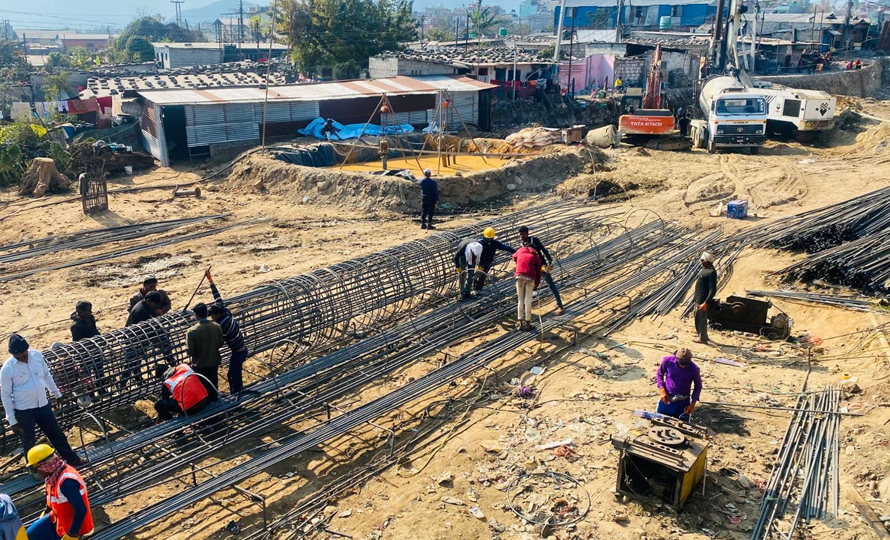
The rising cost and scarcity of construction materials have created significant financial pressure on contractors. The federation has urged the government to make public procurement laws more infrastructure-friendly.
They also demanded that the government issue a directive (Price Adjustment Directive-2) to promptly adjust project costs in line with inflationary changes.
Tourism and Aviation Share Similar Crisis
The tension in the Middle East has placed the tourism sector in a critical situation. Tourist arrivals dropped in March 2026 compared to March 2025, largely attributed to the Iran–America war. The usual influx of Western tourists for trekking and mountaineering has notably decreased.
Statistics show that 7,974 tourists visited from the U.S. in March 2026, a 28.1 percent decrease from 11,092 in March 2025.
Tourist arrivals from Europe similarly declined by 18.9 percent in total, with 4,814 visitors from the UK in March 2026 compared to 5,995 last year, down 19.7 percent.
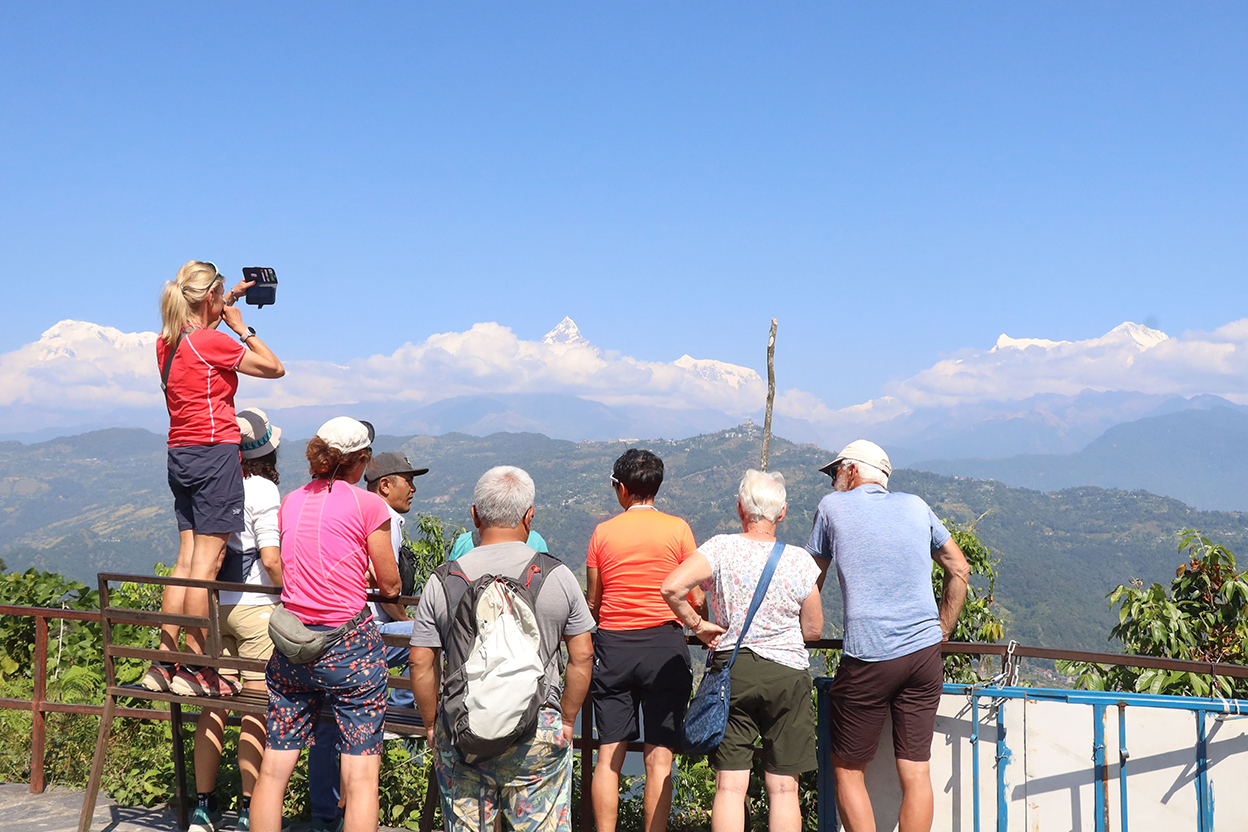
According to Deepkaraj Joshi, CEO of the Nepal Tourism Board, prolonged conflict in the Gulf region has reduced the number of tourists traveling to Nepal via Middle Eastern transit routes.
“The war has introduced travel uncertainties,” he said. “This will be a major setback for our countries.”
Rising fuel costs due to supply disruptions have also made tourism services more expensive. Aviation fuel prices doubling has raised air travel fares.
According to Pratap Jung Pandey, chairman of the Airlines Operators’ Association, the increased cost of aviation fuel has made air services more expensive, pushed up ticket prices, and adversely affected tourism overall.
Data from the Civil Aviation Authority of Nepal shows that the maximum airfare on the Kathmandu–Dhangadhi route has exceeded NPR 23,000.
Transport Industry Also Struggling
Continuous increases in fuel prices amid the Middle East war have put the transportation business under severe strain. Although fares were adjusted last week following extensive government discussions, the Oil Corporation has since increased diesel prices sharply.
The Nepal National Transport Business Federation stated that rising fuel prices have compounded challenges for public transport operators.
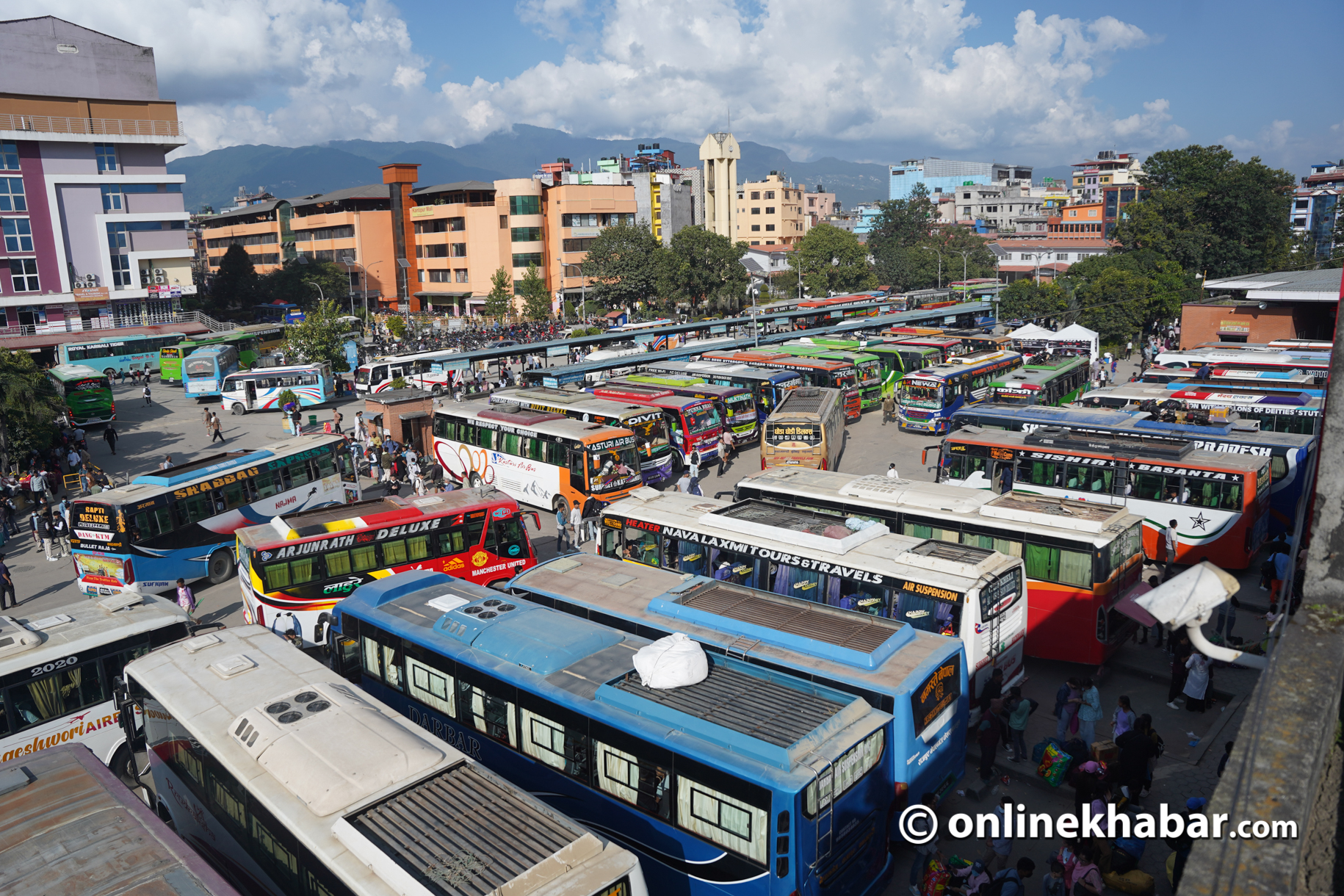
The federation has urged the Oil Corporation to develop meaningful alternatives to price hikes and has demanded that the government implement an automatic fuel price adjustment policy.
Consumers Ultimately Bear the Brunt
The final impact of the economic challenges is felt most by consumers at all levels. Fuel price increases have aggravated inflation, leading to higher prices in all market commodities, including additional issues with cooking gas. Transportation costs have also risen in both private and public sectors.
Consumer rights advocate Prem Lal Maharjan says fuel price hikes have sharply increased the cost of daily essentials and negatively affected the service sector as well. He criticized the government for remaining indifferent amid these conditions.
He added that despite the government’s announcement to reduce taxes on fuel imports by 50 percent, consumers have seen no tangible benefits.
“Traders raise prices daily and create artificial shortages, while the government fails to play a regulatory role,” he said.
He further condemned the trend where prices rise immediately when international rates go up but do not fall correspondingly, claiming that only the government benefits economically in such cases.
“Who controls the market? If the government cannot regulate prices, then is the market solely controlled by traders and middlemen?” he questioned.