
Political Conflicts Impact Provincial Budgets in the Current Fiscal Year
Summary
- Political realignments across all seven provinces of Nepal have rendered the budget for the current fiscal year 2083/84 controversial and uncertain.
- In Sudurpashchim Province, political conflicts have prevented budget approval, resulting in a budget void, while other provinces also face active budget disputes.
- Historical data show provinces have struggled to spend their budgets satisfactorily in previous years, highlighting challenges in budget execution.
July 26, Kathmandu – All seven provinces have experienced shifts in government, creating new political dynamics. Reports indicate emerging agreements and disagreements among parties. However, these changes have negatively impacted the budgets for the current fiscal year 2083/84 across all provinces.
Although all provinces announced their budgets by the legal deadline of June 15, as stipulated by the Economic Procedures and Financial Accountability Act, political instability has made the budgets contentious in each province.
As a direct consequence, the Sudurpashchim Province’s budget has yet to be approved, and other provincial governments have encountered significant difficulties getting their budgets passed.
Bagmati Province managed to pass its budget in the third week of June by a majority vote. It presented a budget totaling NPR 6.693 billion for the current fiscal year.
Coalition Breakdown Affects Koshi Province Budget
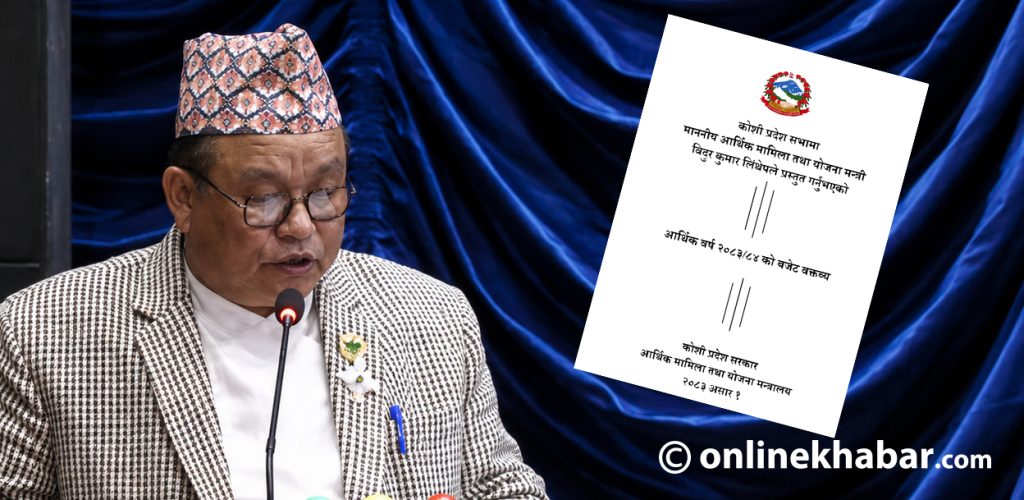
Koshi Province also experienced budget impacts due to deteriorated relations among ruling coalition parties. Despite conflicts, the Koshi budget was approved in the third week of June.
There was strong dissatisfaction in the Provincial Assembly over unbalanced plans and budget allocations perceived as based on favoritism.
Following assurances from the Chief Minister and departmental ministers to rectify these shortcomings, the budget was passed. Koshi Province presented a budget of NPR 4.044 billion for the fiscal year.
Madhesh Province Budget Passed Just Before Fiscal Year Start
Madhesh Province’s budget was passed only on the eve of the new fiscal year, June 15, after repeated disruptions in the Provincial Assembly due to objections from the principal opposition party.
The opposition demanded amendments or the formation of a task force to revise the budget.
After forming a seven-member task force on June 12 and resolving disputes, the budget was passed. The task force presented a 10-point report that was incorporated into the budget.
Gandaki Province Budget Passed Amid Fewer Disputes
Gandaki Province’s budget was passed comparatively with fewer controversies. Though the budget passed on June 30, some discrepancies caused tensions between legislators and ministers.
Concerns were raised over an allocation of NPR 200 million for industry and tourism, where actual ceilings did not match the appropriations, leading to adjustments before finalizing the budget.
These discrepancies were not directly linked to political conflicts but rather logistical challenges from departmental restructuring. Gandaki Province’s budget stood at NPR 3.299 billion for the year.
Lumbini Province Budget Clouded by Controversy
Lumbini Province’s budget also faced disputes. Chief Minister Chet Narayan Acharya assured addressing dissent, after which budget discussions proceeded.
The budget passed with majority support on June 24. Opposition members and some ruling party lawmakers expressed discontent with disproportionate allocations favoring certain ministers’ constituencies and regional imbalances.
Repeated adjournments of the Provincial Assembly meetings due to dissatisfaction stalled discussions even 20 days after budget publication.
Ruling party lawmakers from the UML also demanded the budget be rewritten, citing biased allocations. The Chief Minister pledged to correct these issues. The budget for the fiscal year was NPR 3.738 billion.
Karnali Province Budget Also Marked by Political Disputes
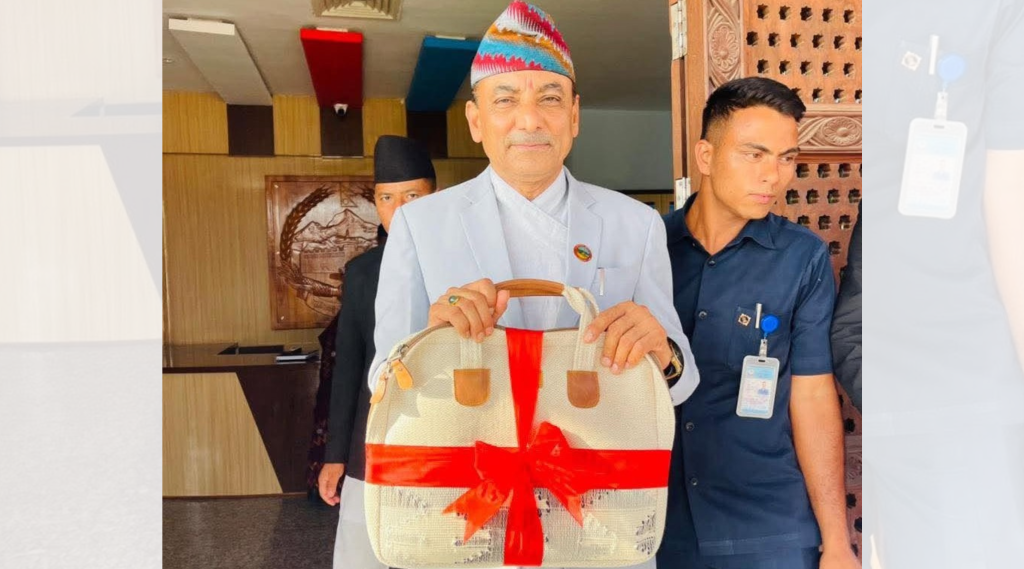
Political disagreements affected the Karnali Province budget approval this year as well. The Chief Minister had to reach a six-point agreement with opposition parties, notably the Nepali Communist Party.
Controversies arose from including plans that violated organizational division rules, ministers proposing programs outside their jurisdiction, and large budget allocations to personality-based institutions.
The budget was passed only after agreeing with opposition not to implement disputed plans or projects named after leaders. Opposition protests frequently disrupted parliamentary sessions.
Karnali Province agreed to focus on continuing existing projects rather than launching new ones. Its budget for the fiscal year was NPR 3.319 billion.
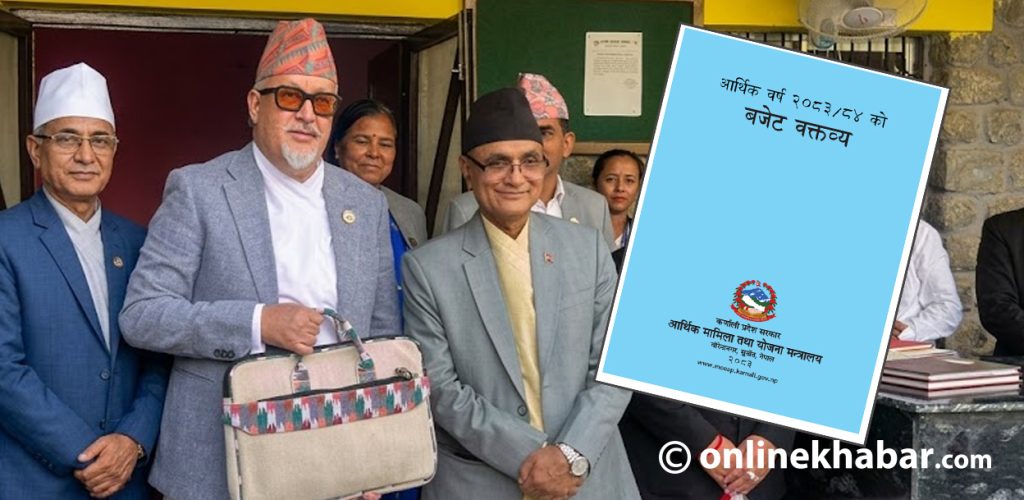
Political Conflict Disrupts Sudurpashchim Budget Approval Process
Political disputes have yet to allow the approval of Sudurpashchim Province’s budget. Due to the ruling Communist Party UML’s lack of cooperation and no support from the Nepali Communist Party, the budget remains pending. The government is now a minority, leading to a budget standstill.
After refusing to reverse budget expenditure cuts, Chief Minister Kamal Bahadur Shah dismissed four ministers representing UML. Following this, political turmoil further affected the budget process.
Plans called for budget approval by June 30 to enable implementation from July 17. The provincial Ministry of Economic Affairs confirmed that revenue collection would continue despite budget delays.
According to the Province’s Interim Revenue Collection Act, 2081, and the Finance Act, 2082, revenue-related activities will proceed based on the rates passed by the previous fiscal year’s parliament.
However, without legal budget approval, the provincial government lacks the authority to spend funds, potentially halting payments from staff salaries to contract fees.
The government could consider an ordinance for advance spending, but this would require dissolving the Provincial Assembly.
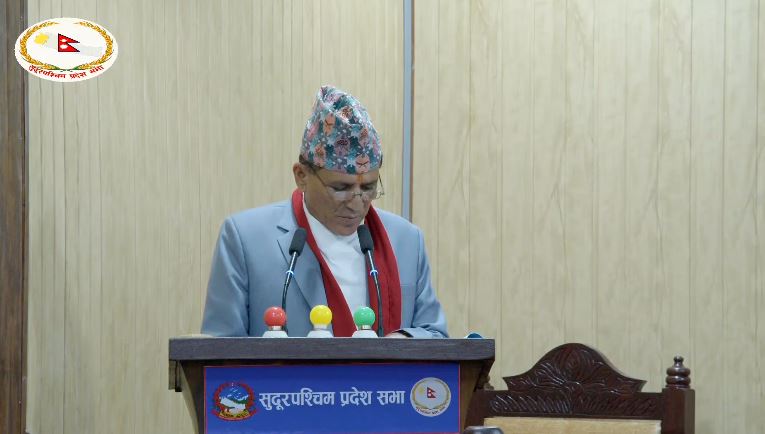
Budget Implementation Weaknesses Evident Across Provinces
Budget execution across most provinces remains poor. According to the Koshi Province Controller’s Office, in fiscal year 2082/83, only 71.62% of the budget was expended, amounting to NPR 3.609 billion out of the total allocated.
Expenditures by the fiscal year-end totaled NPR 2.586 billion. The previous year, 2081/82, Koshi’s budget expenditure was 79.89%.
Madhesh Province implemented NPR 4.698 billion out of its budget last year. According to the Ministry of Economic Affairs, the current fiscal year has seen expenditures of only NPR 2.645 billion, representing 56.31% of the target. The previous year’s expenditure rate was 71.16%.
Bagmati Province spent NPR 6.747 billion last year, with current fiscal year expenditures at NPR 4.6 billion, or 68.18% of the target, down slightly from 71.90% the prior year.
Gandaki managed only 64.36% expenditure in 2082/83, spending NPR 2.058 billion of its NPR 3.197 billion budget. The previous fiscal year’s rate was 69.42%.
Likewise, Lumbini Province spent NPR 2.614 billion out of their NPR 3.891 billion budget last year, a 67.18% expenditure rate, down from 71.57% in 2081/82.
Karnali Province reported expenditures of NPR 2.057 billion from a NPR 3.319 billion budget, a 61.97% rate, slightly down from 63.67% the previous year.
Sudurpashchim Province expended only 62% of its NPR 3.343 billion budget, amounting to NPR 2.083 billion. This was a decrease from a 70.11% expenditure rate the year before.