How Strong Are the Military Capabilities of GCC Nations?
News Summary
- Israel and the United States’ initiation of ‘Operation Epic Fury’ against Iran has ignited a fierce conflict in West Asia.
- In retaliation, Iran has launched hundreds of missile and drone attacks targeting Gulf Cooperation Council (GCC) nations.
- Gulf countries have successfully intercepted over 90% of these attacks using advanced air defense systems.
March 25, Kathmandu – The full-scale military operation launched against Iran by Israel and the United States on February 28, 2026, dubbed ‘Operation Epic Fury,’ has plunged the lands of West Asia into a brutal war.
Iran has adopted a ‘Horizontal Escalation’ strategy in retaliation, targeting Gulf Cooperation Council (GCC) member states – Saudi Arabia, the United Arab Emirates, Qatar, Kuwait, Bahrain, and Oman.
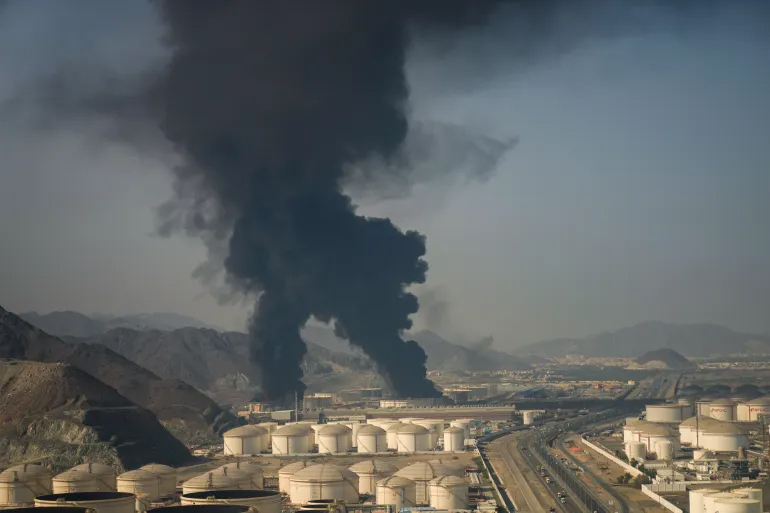
From Riyadh to Dubai and Doha to Muscat, sirens blare loudly across the skies. Hundreds of ballistic missiles and drones sent by Iran are aimed at oil facilities, airports, and civilian areas in the Gulf.
The bilateral war among these three nations has inevitably drawn others into the conflict. With no signs of the war easing, indications suggest not only GCC countries but other nations may become involved.
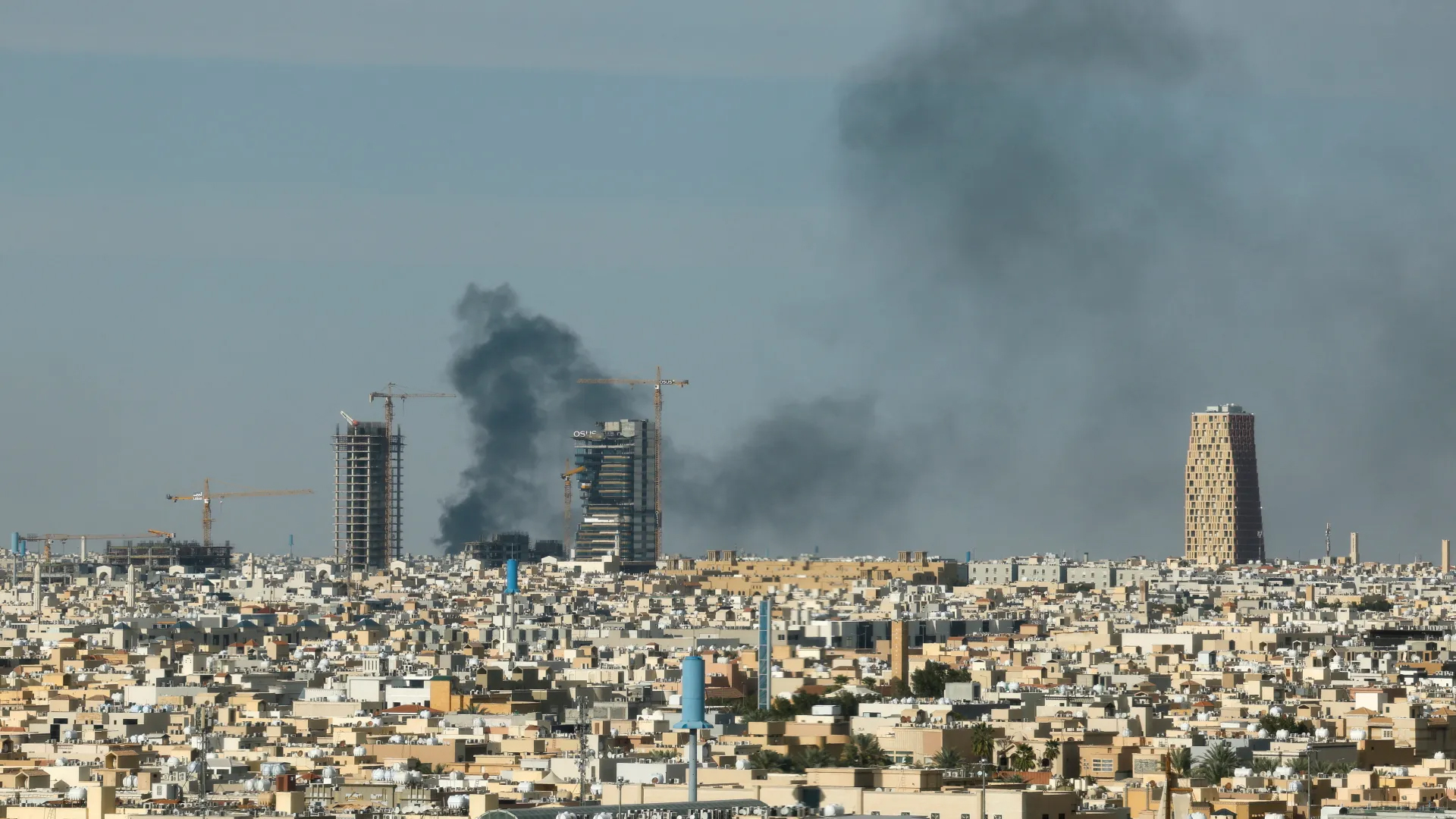
However, an unusual and significant aspect of this conflict is that although GCC nations are involved, they have not engaged directly in offensive actions. Their focus remains entirely on ‘self-defense.’
Recent military data reveals that the integrated air defense systems of the Gulf countries have achieved an interception rate exceeding 90%, limiting the damage caused by Iran’s large-scale assaults.
Context of the War and Rising Risks
Following strikes targeting Iran’s Supreme Leader Ayatollah Ali Khamenei and high-ranking military commanders by the U.S. and Israel, Iran began attacks on Gulf nations using its proxy forces as well as its own military. Thousands of missiles and drones have been launched so far.
The most severe assault has been on the United Arab Emirates (UAE), yet its defense system successfully destroyed 94% of incoming drones and 92% of ballistic and cruise missiles mid-air.
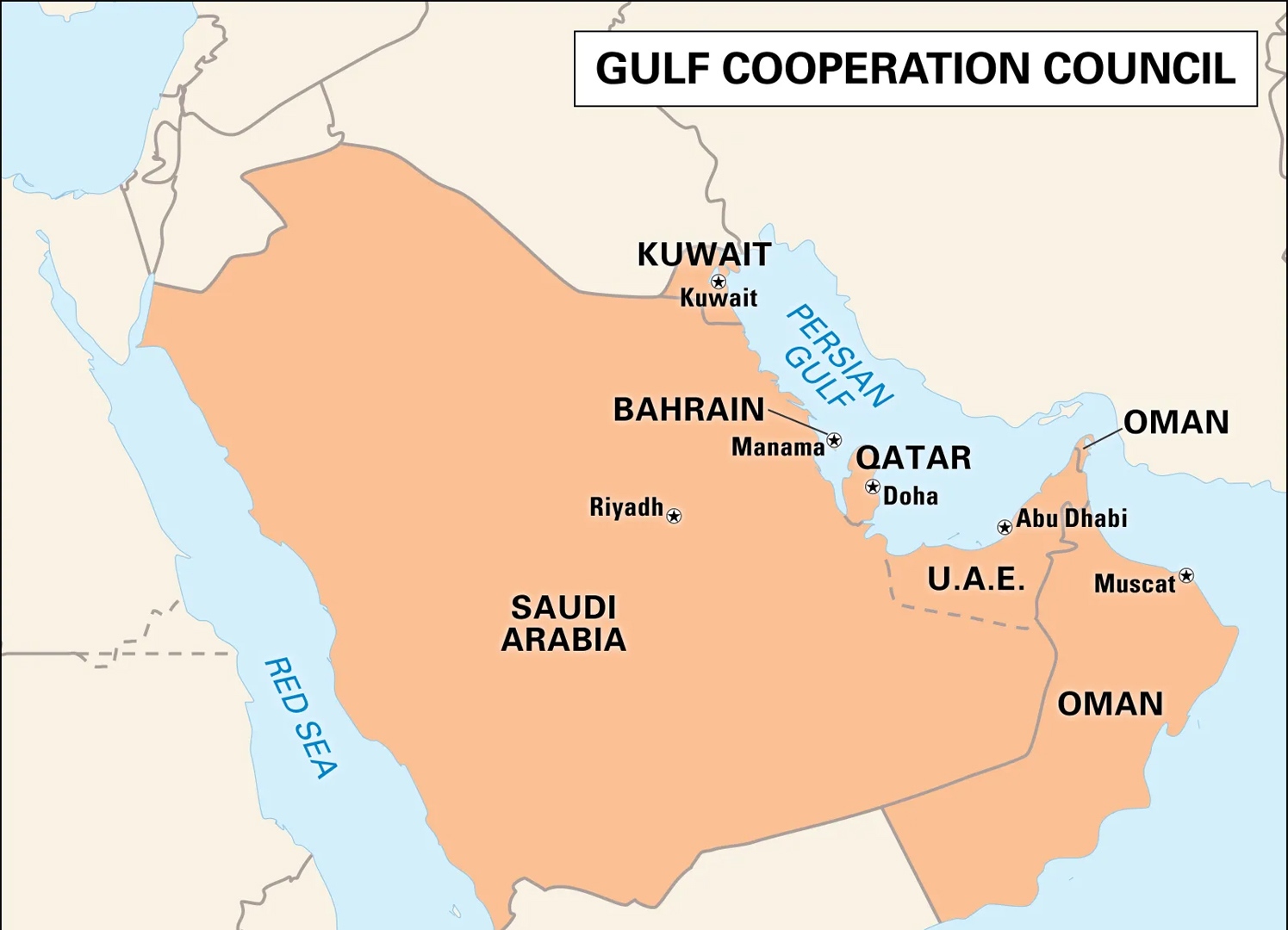
Missiles targeting Saudi Arabia’s Ras Tanura oil refinery have mostly been intercepted. Although Qatar’s Al Udeid Air Base, hosting an American military presence, has suffered some attacks, damage remains minimal. Civilian areas in Bahrain and Kuwait have been affected, but layered defense systems have limited human casualties.
In this crisis, GCC leadership has condemned Iranian aggression as a treacherous act. The military exercise ‘Gulf Shield 2026’ held in January has proven vital in preparedness for the ongoing war.
Experts warn that the stock of expensive Patriot and THAAD missiles is rapidly depleting. If the conflict endures, Gulf states may be forced not only to defend but also to conduct counterstrikes.
Saudi Arabia: The Military Powerhouse of the Gulf
Saudi Arabia stands as a dominant military and air defense force in West Asia. According to Global Firepower 2026 rankings, it holds 5th place regionally and 25th worldwide.
With a defense budget allocation of approximately $78 billion for 2025–26, Saudi Arabia is among the top seven military spenders globally. Boasting over 230,000 active troops, the country currently channels significant resources into air defense.
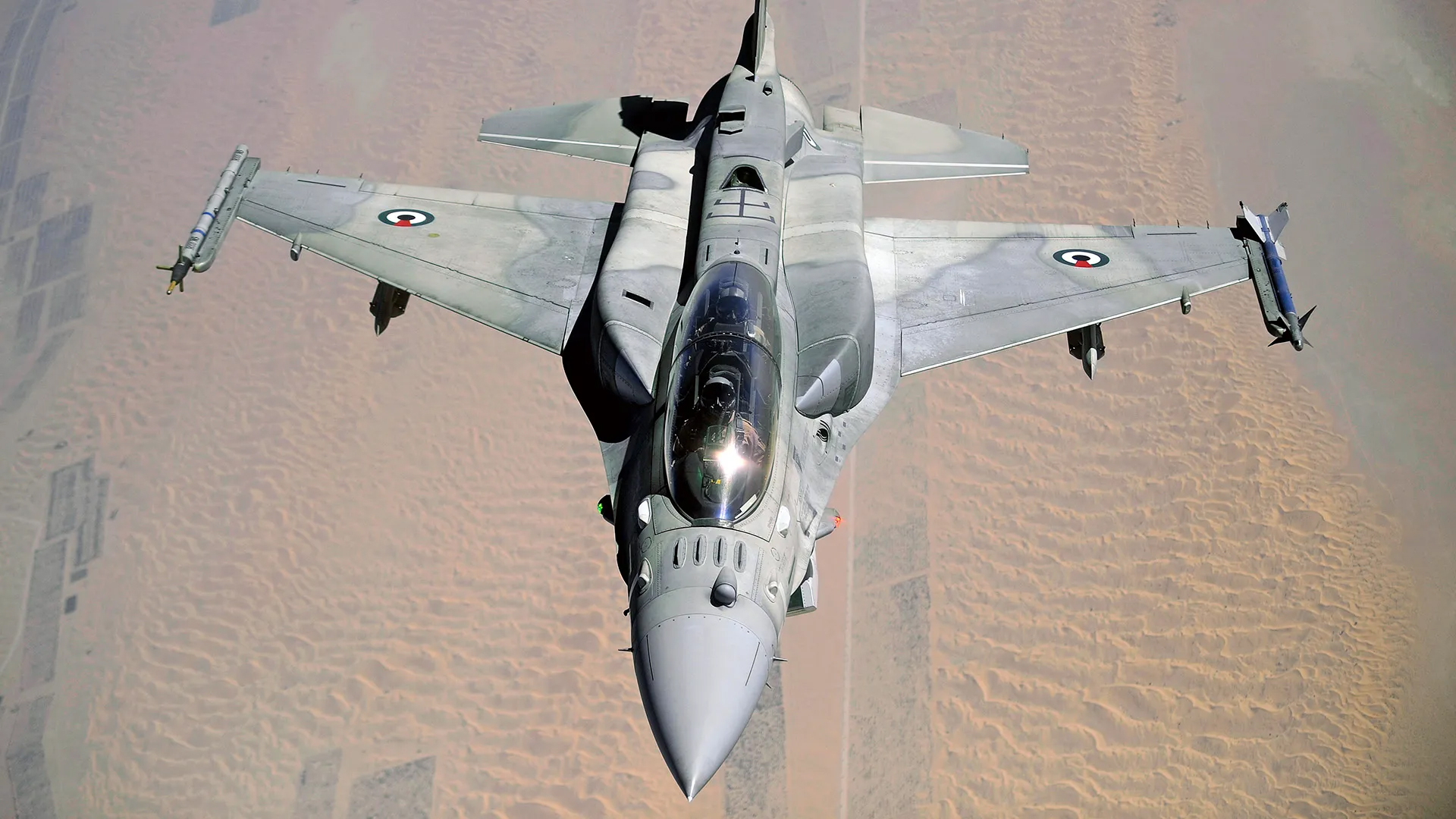
The Saudi Air Force operates 917 aircraft, with 596 on constant readiness. Its core strength lies in 283 modern fighter jets, including 84 F-15SA Eagles, 68 F-15SRs, and 72 Eurofighter Typhoons.
Saudi Arabia has equipped its F-15 fleet with the Harpoon Block II anti-ship missile system, successfully tested at the end of 2025.
The most formidable element of Saudi defense is its air defense system, which combines THAAD (Terminal High Altitude Area Defense) batteries with powerful Patriot PAC-3 MSE missiles. In January 2026 alone, the U.S. approved the sale of 730 PAC-3 MSE missiles to Saudi Arabia worth $900 million.
This system effectively neutralizes Iranian ballistic missiles at upper atmospheric levels. For smaller drones, Saudi Arabia relies on point-defense systems like the Russian Pantsir-S1.
Saudi Arabia fields 1,085 tanks, primarily American M1A2 Abrams, alongside 22,370 armed vehicles and modern artillery, making its ground forces robust. Under ‘Vision 2030,’ through Saudi Arabian Military Industries, the kingdom aims to domestically produce 50% of its weaponry.
United Arab Emirates: Advanced Technology and ‘Rafale-Patriot’ Integration
UAE’s military strategy emphasizes quality over quantity. With a defense budget nearing $27 billion in 2026, it sources military equipment from the United States, France, and South Korea.
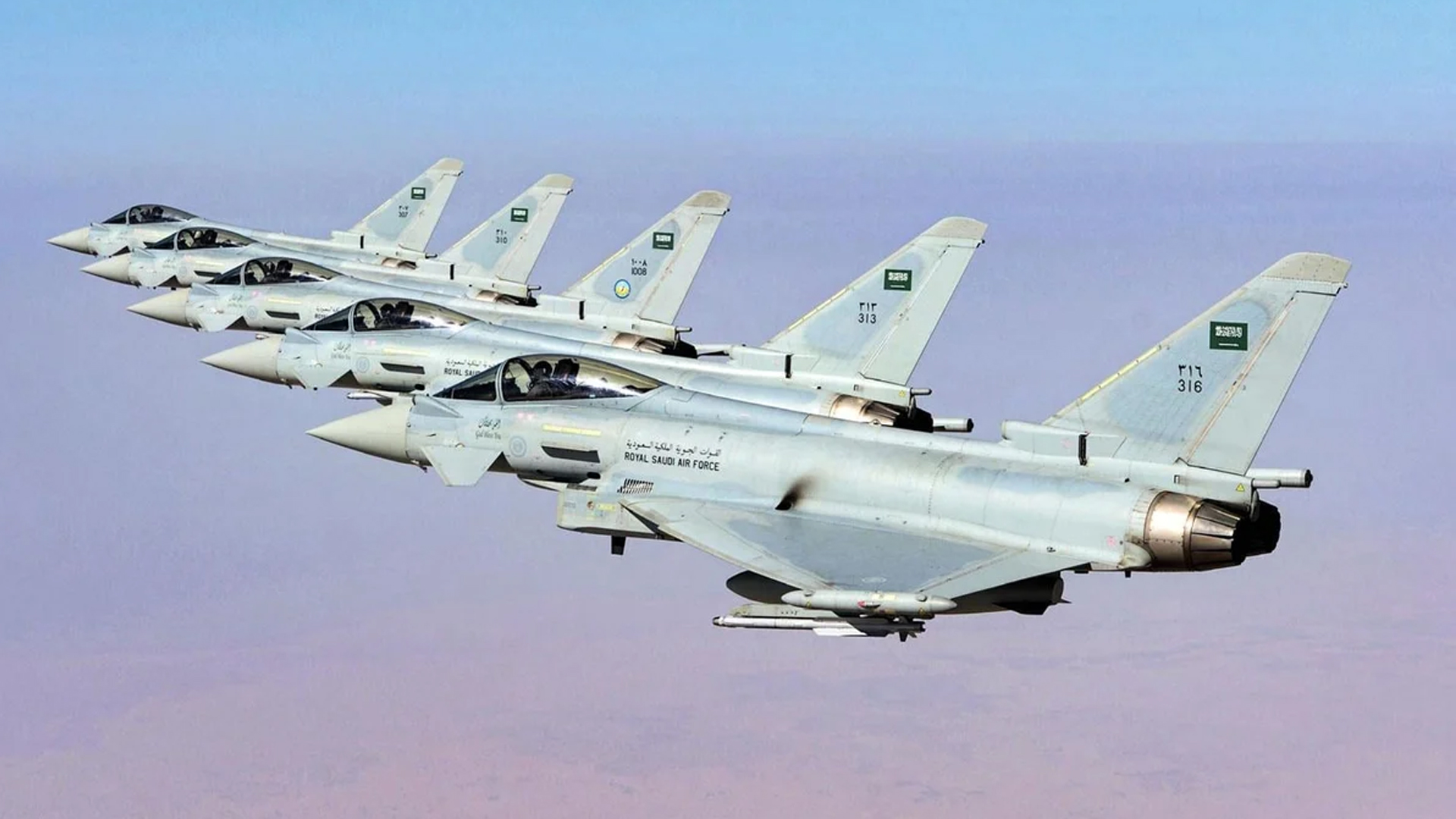
UAE’s air force operates unique aircraft such as the F-16E/F Block 60. Recently acquired 80 Rafale F4 jets from France have significantly enhanced UAE’s strike capabilities. However, the UAE’s most notable achievement remains its high missile interception rate.
Combining South Korean Chungung-2 medium-range systems with American THAAD missiles, the UAE has prevented Iranian missiles from reaching Dubai and Abu Dhabi airports. While minor damage occurred at Jebel Ali port, their layered defense strategy has been highly effective.
In March 2026, the U.S. authorized an additional $560 million in Patriot missile systems and CH-47F Chinook helicopters for the UAE. Advanced drones produced by local company AGS Group also play a vital role in border security.
Qatar: Three-Dimensional Air Power
Though a small nation, Qatar’s military is highly modernized. Recently, Qatar has added Rafale, Eurofighter Typhoon, and F-15 fighters to its arsenal.
Qatar’s air defenses rely mainly on Patriot PAC-3 missile systems and Norwegian NASAMS-3. In early March, Qatar claimed to have successfully intercepted 63 missiles and 11 drones.
According to Qatar’s Ministry of Defense, they have downed two unauthorized Iranian Su-24 jets near their border. At the Doha-held ‘DIMDEX 2026’ defense exhibition, Qatar unveiled new ‘Skywarden’ anti-drone systems and ‘Acron’ missiles.
Kuwait and Bahrain: American Strategic Strongholds
Kuwait has upgraded its Patriot missile systems with an $800 million investment, adding new sensors.
During the heavy missile attack on March 24, Kuwaiti forces intercepted 17 missiles and 13 drones, successfully protecting oil refineries. Their new M1A2K Abrams tanks provide solid ground security.
Bahrain, home to the U.S. Fifth Fleet’s headquarters, was Iran’s initial target. Despite its smaller budget, Bahrain’s recently acquired Patriot PAC-3 MSE system saved the capital Manama from extensive destruction. Though Bahrain’s airspace is limited, its strategic importance is considerable.
Oman: Balanced Defense Policy
Oman pursues a neutral, balanced defense approach. Having good relations with Iran, it has experienced fewer direct attacks than other Gulf countries. Nevertheless, Oman keeps its Eurofighter Typhoon and F-16 jets on high alert.
The Omani navy plays a decisive role in securing the Strait of Hormuz. In this war, Oman has kept diplomatic channels open, using its defense systems mostly as a backup.
Integrated Defense and the Future Path
One key achievement revealed by the ‘Gulf Shield 2026’ exercise is intelligence sharing among GCC nations. As soon as a missile is launched from Iran, all six states and the U.S. command receive simultaneous alerts. This system is known as the ‘Gulf Missile Defense Shield.’
Yet, the conflict also exposes challenges, primarily economic. An Iranian drone costs only a few thousand dollars, but intercepting it requires a Patriot missile costing millions. This economic asymmetry could prove costly for Gulf nations. Additionally, continual attacks are depleting the number of interceptors.
The 2026 West Asia conflict has transformed Gulf countries from oil-rich states into highly technologically advanced military powers. Their cutting-edge weaponry and strategic restraint have prevented Middle Eastern cities from becoming ruins.
However, if diplomatic efforts fail and Iran intensifies its saturated attacks, the Gulf’s defensive shield could soon be forced into offensive action. For global economic and energy security, the military strength of the Gulf remains the last beacon of hope. –With agency inputs