
Both Governments Must Actively Address Chinese Films’ Lack of Focus on Nepalese Market, Says Expert
News Summary
Edited and Completed.
- Professor Zun Zhan from China’s University of Electronic Science and Technology is currently in Kathmandu serving as a jury member for the Nepal International Film Festival.
- Zhan observed that Nepali films feature abundant dance and music along with vividness, emphasizing the need for joint research and co-writing for Nepal-China film collaboration.
- She encouraged Nepali filmmakers to explore stories related to Tibet and stated that while language is a challenge, government initiatives could facilitate easier access to the Chinese market.
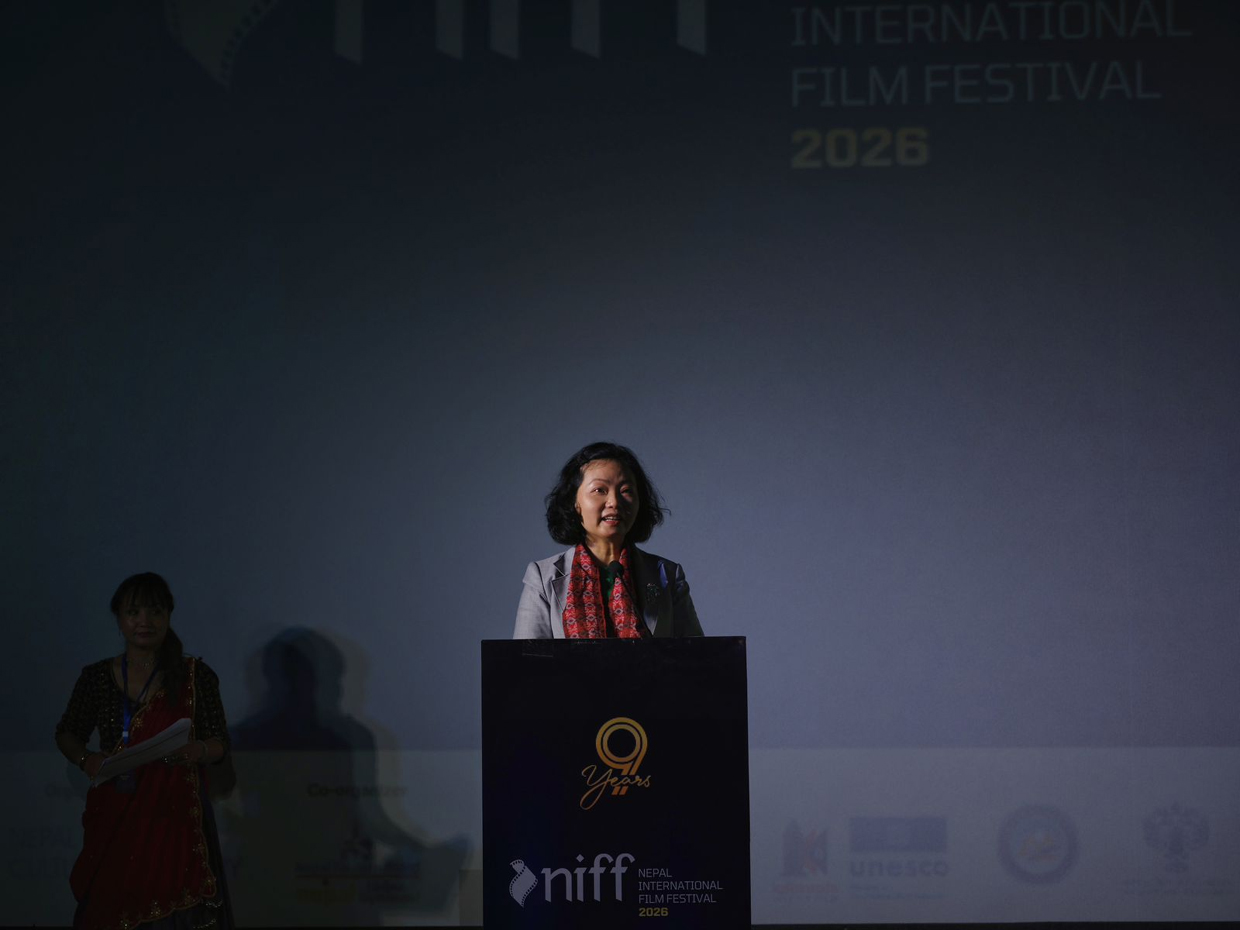
Chinese Professor Zun Zhan is currently in Kathmandu as a jury member for the Nepal International Film Festival (NIF). She is the head of the Department of Journalism and Communication at China’s University of Electronic Science and Technology, a professor, and media expert with extensive experience in new media, international communication, and intercultural studies. Zhan is also affiliated with various think tanks in China and has academic and research experience at the University of California, San Diego, and the College of William & Mary. Well-versed in media ecology and visual storytelling from an analytical perspective, she spoke with Vishnu Sharma about the current state of Nepali cinema, her festival experience, and opportunities for Nepal-China film and media cooperation. Edited excerpts of the conversation follow:
You are in Kathmandu as a jury member for the Nepal International Film Festival (NIF). What is your overall impression of the eighth edition of the festival?
NIF seems like a highly professional institution. The organizers are very friendly and cooperative. I have noticed the festival improving in quality every year. Foreign directors, producers, and filmmakers are also treated with respect, which is very important. The screening program was well planned and held in excellent venues, which impressed me.
Today’s youth prefer watching videos on mobile devices; however, the cinematic experience on a big screen remains invaluable. The emotional impact delivered through large screens, sound systems, and audiovisual effects cannot be equated with mobiles. Festivals like this bring films from around the world onto a single platform, allowing audiences to appreciate cinematic art and new works.
From media and storytelling perspectives, how do you evaluate the current state of Nepali cinema?
Honestly, I have not fully studied Nepali films yet. I haven’t seen many Nepali movies in the past, so extensive evaluation is difficult. But my first impression is that Nepali films tend to feature a lot of dance and music, which is somewhat similar to Indian filmmaking. This element is less pronounced in Chinese cinema.
This might also be my preconceived notion. Nepali films show joy and vibrancy, which I appreciate. Filmmakers here are learning and progressing, which suggests positive prospects for the future.
As a cross-cultural communication expert, how do you see culture being represented in current Nepali films?
Culture is clearly conveyed through visuals, language, and sound systems in films. Nepali pronunciation, music, and narrative style differ from Chinese or English. These distinctions form the core of its identity. Emotionally, all countries share similarities—such as attachment, love, and death—which audiences universally understand. Nepali films showcase clear depictions of customs, attire, and music.
How can Nepali cinema maintain its originality while connecting internationally, especially with China?
The story is the most crucial factor. If the narrative is strong, audiences will understand it even if they don’t speak the language. We share common signs, emotions, and images. How the story is presented is even more important. For example, films like “The Lion King” have delivered universal messages worldwide. With good storytelling and presentation, films can connect with audiences from any country.
How can stories emotionally resonate with audiences from both Nepal and China despite cultural differences?
Joint research is essential for this. Writers should study the cultures, histories, and backgrounds of both countries before writing stories. Nepal and China are both Himalayan nations with many cultural similarities.
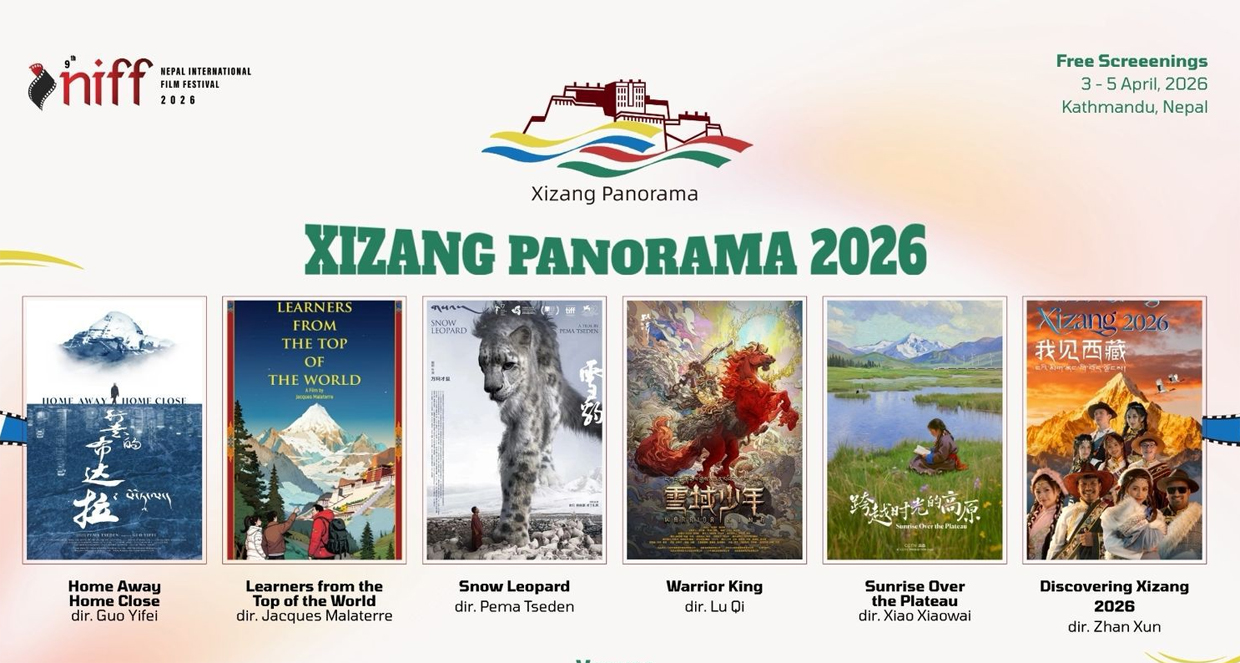
For instance, stories based on topics like prayer flags, Buddhist culture, and historical ties are easily understood by audiences in both countries. I encourage Nepali filmmakers to also explore subjects such as Tibet for storytelling.
What are the most promising areas for Nepal-China film collaboration at present?
Co-writing can be the starting point. Then we can jointly produce films together, incorporating actors, locations, and experiences from both countries. We need to understand each other well—some may prefer Nepal’s terraced hills, others may be fascinated by pandas in China. Perspectives differ, so increasing dialogue is important.
Practically, how can collaboration be strengthened?
Small programs can be initiated through universities or research institutions in both countries. Bringing together writers, directors, and professors to offer training and exchange experiences is possible. Sharing knowledge on wildlife, the Himalayan region, documentary filmmaking, and AI technology can lay a strong foundation for future large-scale partnerships.
How can Nepali filmmakers access the Chinese market?
Language can be a challenge but not impossible to overcome. Both governments must take initiatives to deepen cooperation. With policy support, market entry becomes much easier.
How can Chinese films expand their market presence in Nepal?
Chinese films have not yet paid sufficient attention to smaller markets like Nepal. Their focus tends to be on Western markets. If governments and experts from both countries become active, there is significant potential for growth in this sector.
How can films be effectively used as cultural diplomacy?
Films play a major role in cultural exchange. When filmmakers visit each other’s countries, they gain real understanding of the cultures. These experiences help foster deep relationships.
What can Nepal learn from China’s film industry?
It is necessary to tell diverse stories rather than just focusing on love or family themes. Both countries face investment challenges, so linking films with business aspects is important. Using AI technology is also crucial as it simplifies production processes.
How can stories from countries with small film industries reach the international level?
Social media is the most effective medium. English subtitles or AI translation remove language barriers. Nepal has numerous tales related to the Himalayas, tourism, and nature. Producing documentaries and films on such themes can attract global audiences.
What is your outlook on future Nepal-China media cooperation?
I am very optimistic. If we collaborate actively, cooperation will become stronger. Initial challenges may arise but will gradually improve.
As a jury member, what do you focus on when evaluating films?
The story and emotional impact are paramount. Technical aspects are important but alone don’t make a good film. If the narrative and emotions are weak, I do not select the film.
What do you like most about Nepal?
Everything—the people, their warmth, the culture. I have made many new friends here who invited me to their villages for meals, which was a deeply moving experience. I love the smiles, the blue skies, hills, and the natural beauty. Nepal is truly beautiful.