
How Is Balen’s Government Progressing and What Is the Coordination Like with Ravi?
April 16, Kathmandu – During the Rashwap election campaign, senior leader Balen Shah often waited for party chairman Ravi Lamichhane until late after meals. Ravi, in turn, would usually wait for Balen, the prime ministerial candidate, to finish eating before proceeding.
A similar scenario unfolded on February 24 at an election rally in Itahari. Returning from bird watching at Koshi Tappu, Ravi was found hungry while Balen was still around. According to high-level sources within Rashwap, their relationship is governed by the etiquette of the kitchen, a dynamic that still continues.
One universal truth worldwide is that political relationships are shaped more by psychology than political science. So what is the nature of the relationship between Rashwap chairman Ravi Lamichhane and Prime Minister Balen Shah? For those interested in past political dynamics like Oli–Prachanda, Girija–Deuba, or Madhav–Oli, the recent election results have ignited fresh curiosity, while interest in previous political arrangements has waned.
The Ravi–Balen relationship has its own story, starting from musical evenings held between December and January. Before the unification of Rashwap progressed, then Kathmandu mayor Balen was suddenly preparing to establish a new party called Desh Vikas. When Ravi agreed to select Balen as the prime ministerial candidate, a new chapter in Nepal’s political history began.
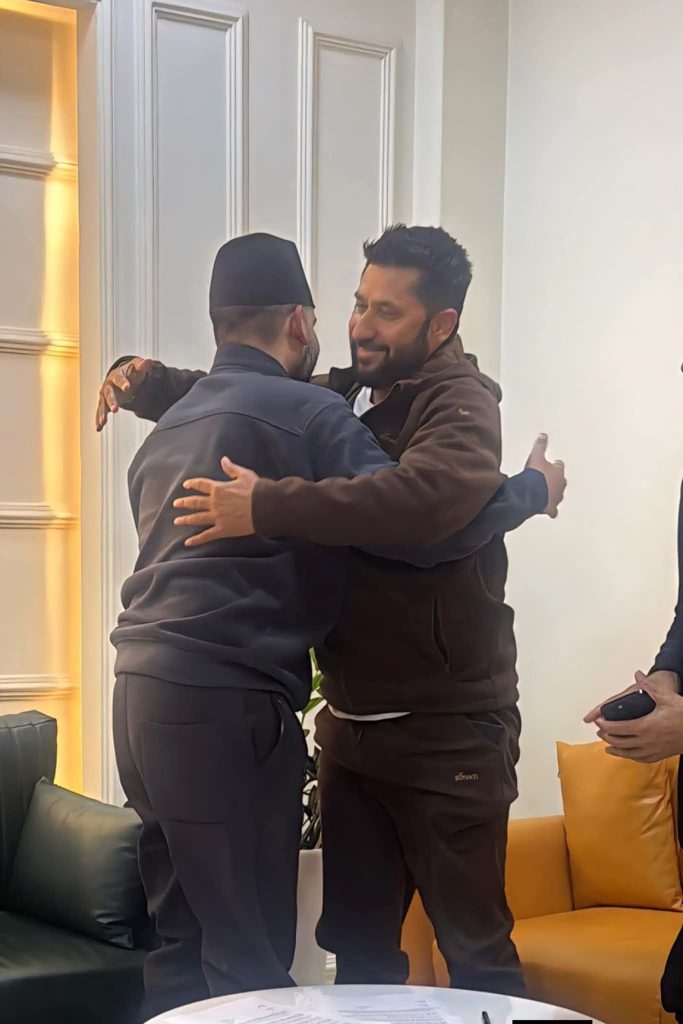
In the recent general elections last February, Ravi propelled Balen forward, delivering results close to a two-thirds majority.
Ravi remains neither fully satisfied nor dissatisfied with the government’s work over the past three weeks. He is overseeing government tasks from a ‘guardian’ role as party chairman. While there was initial perception that Balen was singlehandedly leading the government, Ravi views his role as a prerogative, not absolute authority.
This stems from earlier arrangements. Before appointing the Deputy Speaker, Ravi had promised Rastriya Prajatantra Party Nepal (RPPN) that the position would go to them. Within the parliamentary party, Ravi was to lead, and Balen was to take charge on the government side. However, when Balen’s camp could dominate, lobbying in favor of Ruby Kumari Thakur of the Labor Culture Party caused tension between the two leaders. Ravi’s generosity swiftly resolved the issue.
During the ministerial selection process, Ravi wanted Deepak P. Aryal as Home Minister. But according to senior sources, then Prime Minister Sushila Karki pushed for Sudan Gurung’s appointment instead. Balen supported this, leading Ravi to step back.
According to Ravi, Balen’s team should be given enough freedom to work, but any weaknesses should be addressed through explanations. He has told some ministers and leaders, ‘This is a strong government; the prime minister must be allowed to work.’
Prime Minister Balen consults closely with Chairman Ravi on his decisions. He tends to report to Ravi either in person or by phone, according to sources close to them.
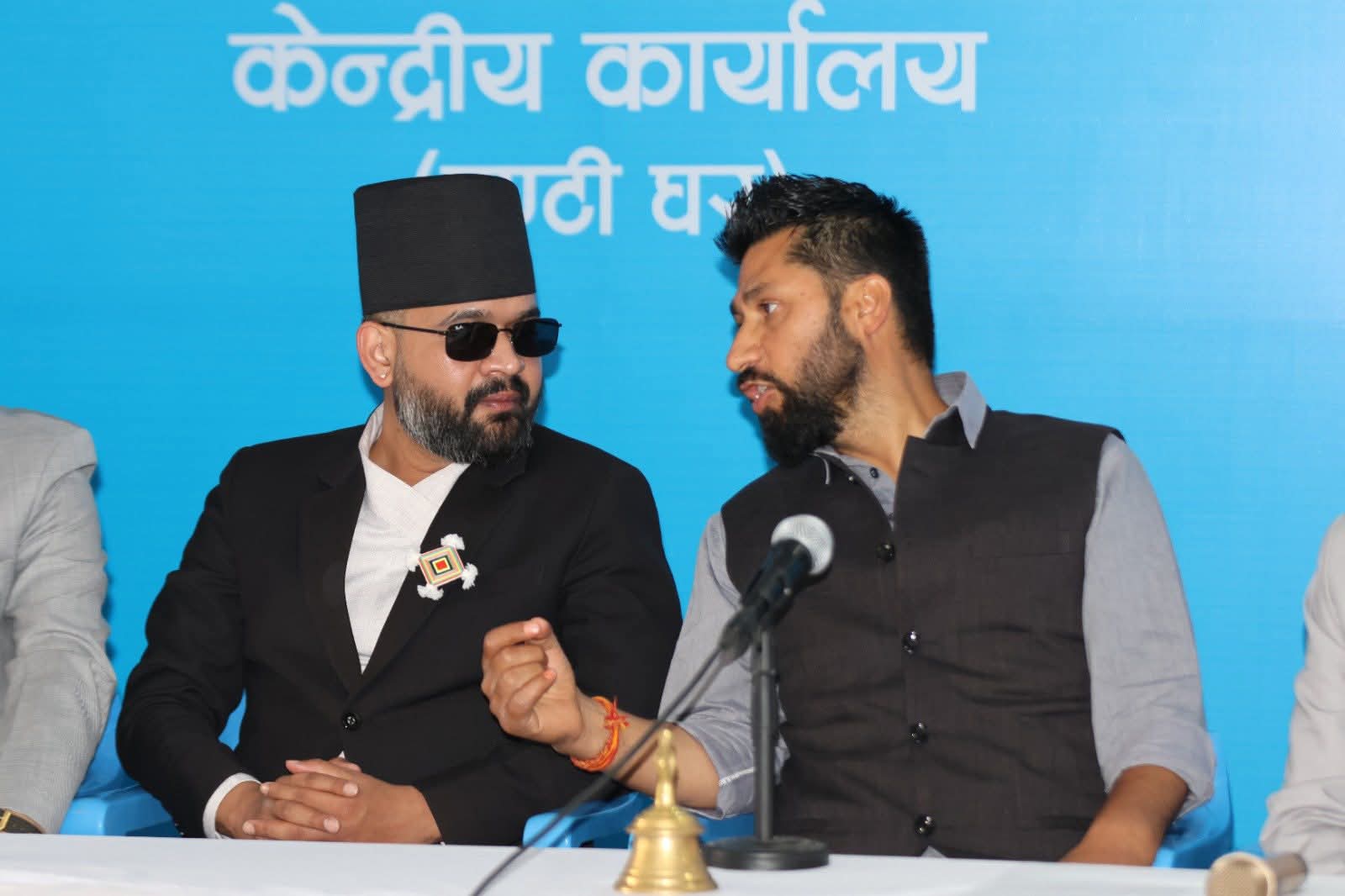
‘Balen is the one who makes the decisions, but it needs to be understood that everything is done in agreement with brother Ravi,’ said a Secretariat member. ‘The party is run by Ravi, the government by Balen, and the parliament by DP Aryal—that is our understanding.’
Some leaders close to Ravi have begun expressing complaints internally that Balen has taken unilateral authority in appointing ministers and parliamentary party positions. They have urged Chairman Ravi to monitor government affairs more closely. However, Ravi has stated that this is not appropriate at this time.
‘I am the prime minister appointed by the party, and while selecting ministers, I have also taken Balen’s convenience into account,’ Ravi said. ‘In the past, attempts by the party to control the government ended in deterioration; that won’t happen this time. If issues arise, we will discuss them as needed.’
Since becoming prime minister, Balen has conducted much work from Singha Durbar. Meetings with Ravi usually take place there or at Ravi’s residence in Budhanilkantha. At the official residence, Balen only meets his chief advisor Kumar Benbah, avoiding other contacts.
‘The prime minister finds it easier to hold discussions at home rather than in places like Baluwatar, Singha Durbar, or party offices. That’s why meetings at Ravi’s house are convenient,’ Kumar Benbah explained. ‘They’ve met there three times. Their relationship is very amicable.’
However, according to a trusted associate of Ravi, Balen has visited Ravi’s residence four times, but Ravi has never gone to Baluwatar.
Security has been tightened unnecessarily at Singha Durbar. Journalists have expressed some dissent. But the Secretariat comments—Singha Durbar feels like a prison even for the prime minister. ‘When leaving Baluwatar, the prime minister reportedly said, “I am going from one prison to another,”’ the Balen team revealed.
Kumar Benbah, Balen’s closest friend and chief strategist, holds an unpaid position as chief advisor. He has informed the Prime Minister’s Office that he does not require salary or benefits.
Since assuming the prime ministership, Balen has accelerated his work pace. Ravi described this as “the year for planting seeds.” Some ministers have expressed dissatisfaction, noting that the prime minister’s secretariat is interfering unnecessarily in their ministries.
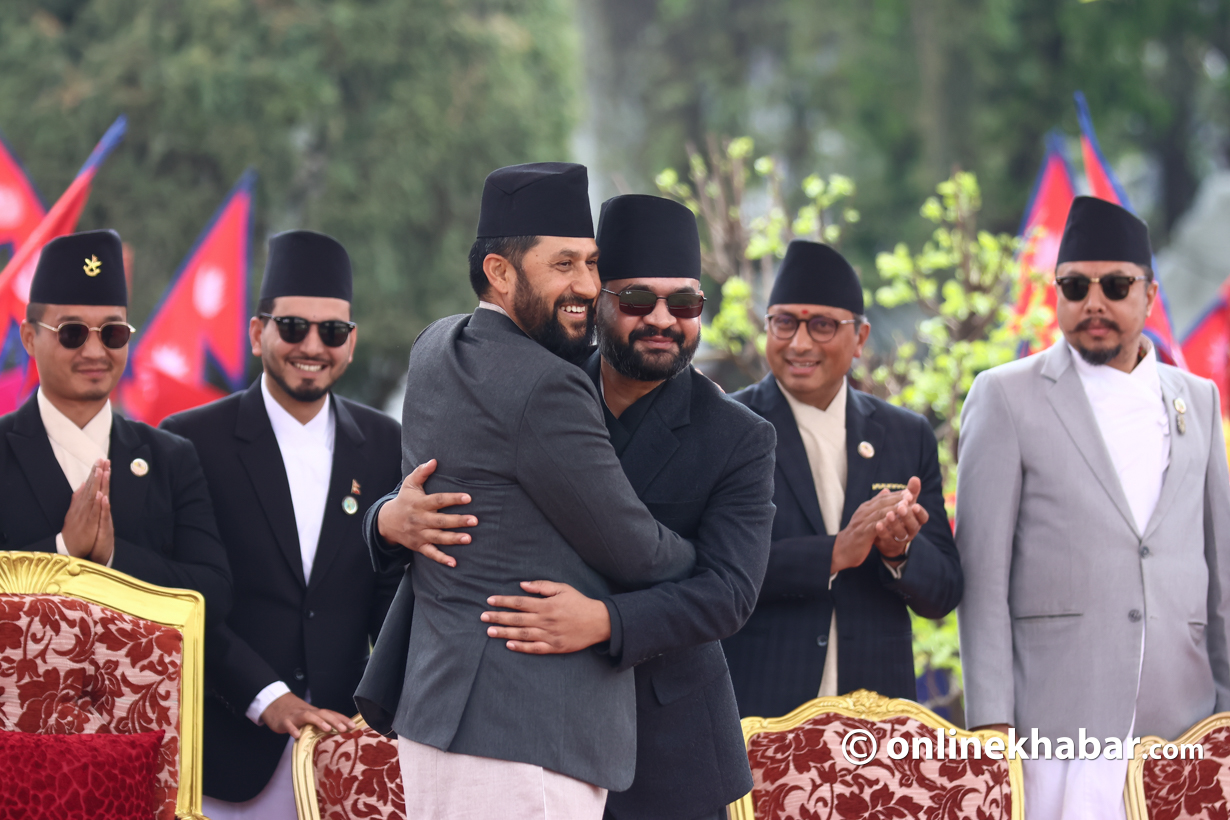
Ravi has advised ministers to treat this matter as normal, according to informal conversations with some ministers.
‘Except for the Foreign and Finance Ministries, the prime minister’s secretariat directly intervenes in every ministry, making it difficult for ministers to make their own decisions,’ shared one minister with grievances. ‘It is not right for a non-elected team to run over elected ministers.’
But according to Balen’s secretariat, the recent mandate was given to fulfill Balen’s commitments, and all ministries and state bodies must cooperate. ‘We know most ministers have not yet developed distinct personalities or efficiencies. Now we are all Balen; we are unified, not divided.’
Another minister shared that the Prime Minister’s Office held a separate meeting on Wednesday at Singha Durbar with all personal secretaries of ministers to instruct them on working procedures.
The Prime Minister’s Office organized a separate orientation session at Singha Durbar for all personal secretaries of ministers, teaching them work methods. While Balen engaged with proportional representation MPs, some members of his team were also training the ministers’ personal secretaries to enhance their effectiveness.
Unlike previous prime ministers, who personally met with MPs and party workers, Balen has changed this tradition. He speaks about party matters only with Ravi. For parliamentary party topics, he consulted former Deputy Chairperson Swarnim Wagle and DP Aryal; now Wagle is Finance Minister and DP serves as Speaker. Going forward, deputy leader Ganesh Parajuli, chief advisor Kavindra Burlakoti, and advisors Krantishikha Dhital and Prakashchandra Pariyar will coordinate with Balen on parliamentary party issues.
‘He does not communicate with anyone else about party matters except brother Ravi. He doesn’t meet MPs in person; he reviews bills, complaints, and attention notes digitally, personally monitoring them,’ said a Secretariat member.
There were internal party complaints that Balen’s secretariat played a major role in the dismissal of Labor Minister Deepak Sah. However, chief advisor Kumar Benbah acknowledged that although initially perceived as a routine matter, the issue was serious enough to warrant reviewing CCTV footage before making the decision.
‘We desire no obstruction to good governance; those in high office must be accountable and cannot lie,’ Benbah said. ‘The dismissal of the labor minister is merely an implementation of transparency to date.’